Films
4 films
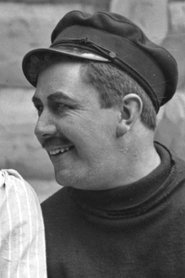
About Axel Nilsson
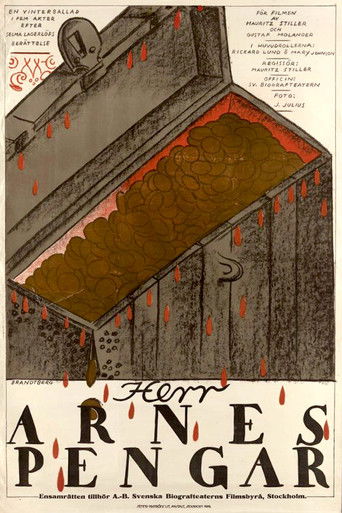
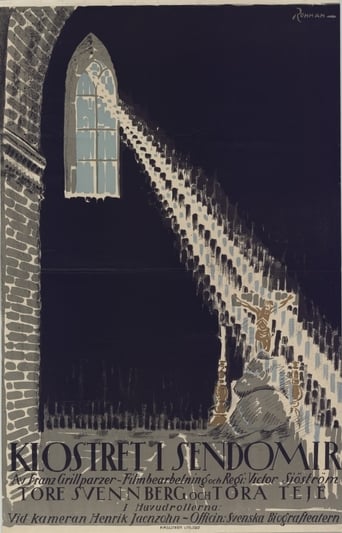
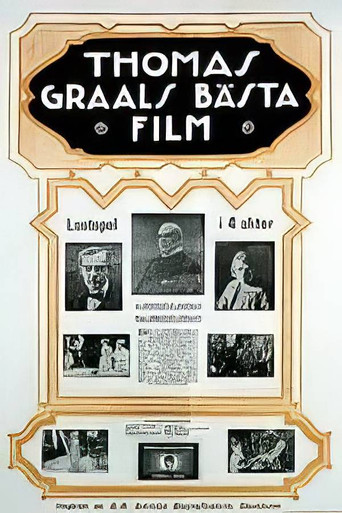
Axel Nilsson performed in several notable silent films during the late 1910s and early 1920s. His career, though brief, coincided with the golden age of Swedish silent cinema, working under acclaimed director Mauritz Stiller. Axel appears in 'Thomas Graal's Best Child' (1918), which was part of a popular series of comedy films. His role in 'Sir Arne's Treasure' (1919), Swedish silent films, showcased his ability to work in dramatic productions. Nilsson also appeared in 'The Monastery of Sendomir' (1920), a German-Swedish co-production that demonstrated the international reach of Nordic cinema during this period. His filmography appears to have been limited to these three years, suggesting either a brief acting career or possibly a transition to other pursuits. Unfortunately, detailed records about his life beyond these film appearances are scarce, which was not uncommon for supporting actors of the silent era.
The Craft
On Screen
As a silent era actor, Nilsson would have employed exaggerated gestures and facial expressions to convey emotion, typical of the period's acting techniques. His ability to work in both comedic and dramatic roles suggests versatility in his craft.
Milestones
- Appeared in Mauritz Stiller's 'Thomas Graal's Best Child' (1918)
- Acted in the acclaimed 'Sir Arne's Treasure' (1919)
- Participated in international co-production 'The Monastery of Sendomir' (1920)
Best Known For
Iconic Roles
Must-See Films
Working Relationships
Worked Often With
Studios
Why They Matter
Impact on Culture
Axel Nilsson contributed to the golden age of Swedish silent cinema during its peak international recognition period. His participation in films by Mauritz Stiller, one of Sweden's most important early directors, places him within the context of a crucial era in film history when Swedish cinema was gaining international acclaim for its artistic quality and technical innovation.
Lasting Legacy
While Axel Nilsson did not achieve lasting fame as an individual performer, his work survives as part of historically significant films that represent the pinnacle of Swedish silent cinema. The films he appeared in, particularly 'Sir Arne's Treasure,' are studied and preserved as important examples of early 20th century European cinema.
Who They Inspired
As a supporting actor in notable silent films, Nilsson contributed to the overall artistic success of productions that would influence subsequent generations of filmmakers. The Mauritz Stiller films he appeared in helped establish techniques and storytelling methods that would later influence Hollywood and international cinema.
Off Screen
Very little information is available about Axel Nilsson's personal life, which was common for supporting actors of the silent era who did not achieve major stardom. Historical records from this period often focused primarily on leading actors and directors.
Did You Know?
- Appeared in three films over a three-year period (1918-1920)
- Worked with acclaimed Swedish director Mauritz Stiller
- Participated during the golden age of Swedish silent cinema
- His films represent the international reach of Nordic cinema in the early 20th century
- Like many silent era supporting actors, detailed biographical information is scarce
- His film 'Sir Arne's Treasure' is considered one of the masterpieces of Swedish silent cinema
Frequently Asked Questions
Who was Axel Nilsson?
Screen credits include silent films during the late 1910s and early 1920s. He is known for his roles in three films: 'Thomas Graal's Best Child' (1918), 'Sir Arne's Treasure' (1919), and 'The Monastery of Sendomir' (1920). His career was brief but occurred during the golden age of Swedish cinema.
What films is Axel Nilsson best known for?
Titles linked here include Thomas Graal's Best Child (1918), Sir Arne's Treasure (1919).
When was Axel Nilsson born and when did he die?
Unfortunately, specific birth and death dates for Axel Nilsson are not available in historical records. This is common for supporting actors from the silent era, particularly those who did not achieve major stardom. We know he was active as an actor between 1918 and 1920.
What awards did Axel Nilsson win?
There are no records of Axel Nilsson receiving any major awards or nominations. During the silent era, formal award systems were less established than they are today, and supporting actors often went unrecognized in formal ceremonies.
What was Axel Nilsson's acting style?
As a silent era actor, Nilsson would have used the typical techniques of the period, including exaggerated gestures and facial expressions to convey emotions without dialogue. His ability to appear in both comedies and dramas suggests he was a versatile performer within the constraints of silent film acting.