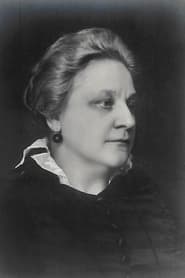
Jenny Tschernichin-Larsson
Actor
Born: October 6, 1877 in Stockholm, Sweden Died: June 20, 1969 Active: 1917-1922 Birth Name: Jenny Maria Tschernichin-Larsson
Films
12 films

About Jenny Tschernichin-Larsson
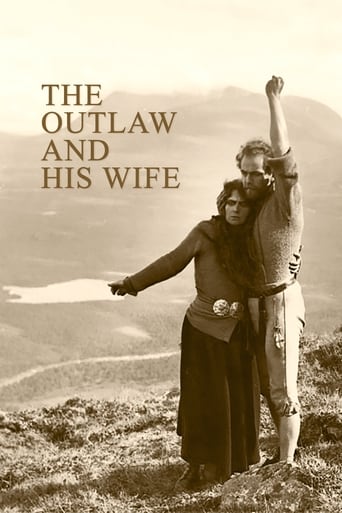
Jenny Tschernichin-Larsson worked on one surviving credit: The Outlaw and His Wife (1918). She began her film career during a pivotal period when Swedish cinema was gaining international recognition, particularly through the works of directors like Victor Sjöström and Mauritz Stiller. Her most notable performances came in 1917-1918 when she appeared in several significant Swedish productions that showcased the country's cinematic artistry. Tschernichin-Larsson worked primarily with Victor Sjöström, one of Sweden's most celebrated early film directors, appearing in his acclaimed films including 'The Outlaw and His Wife' (1918). Her career was relatively brief but impactful, spanning the years when Swedish silent cinema reached its artistic peak before many of its talents emigrated to Hollywood. She demonstrated particular skill in portraying complex female characters in dramatic roles, which was characteristic of the sophisticated storytelling in Swedish films of this era. By the early 1920s, her film appearances became less frequent, and she retired from acting as the silent era drew to a close.
The Craft
On Screen
Tschernichin-Larsson embodied the naturalistic acting style that characterized Swedish silent cinema, emphasizing subtle facial expressions and restrained gestures over the melodramatic performances common in other national cinemas of the era. Her approach aligned with the psychological depth favored by Swedish directors, particularly Victor Sjöström, who valued authenticity and emotional truthfulness in performances. She specialized in portraying strong, complex female characters who often grappled with moral dilemmas and social constraints, reflecting the sophisticated themes explored in Swedish films of this period.
Milestones
- Breakthrough role in 'The Girl from the Marsh Croft' (1917)
- Collaboration with director Victor Sjöström on multiple acclaimed films
- Memorable performance in 'The Outlaw and His Wife' (1918)
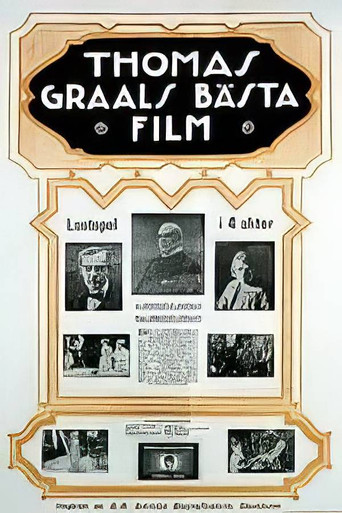
- Role in 'Thomas Graal's Best Child' (1918) during Swedish cinema's golden age
- Final significant appearance in 'A Scarlet Angel' (1922)
Best Known For
Iconic Roles
Must-See Films
Accolades
Special Recognition
- Recognized as part of Sweden's golden age of silent cinema
Working Relationships
Worked Often With
Studios
Why They Matter
Impact on Culture
Jenny Tschernichin-Larsson contributed to the remarkable flowering of Swedish cinema during the late 1910s, a period when Swedish films gained international acclaim for their artistic sophistication and psychological depth. Her performances in films directed by Victor Sjöström helped establish the reputation of Swedish cinema as a serious art form, influencing filmmakers across Europe and eventually in Hollywood. The films she appeared in were part of a movement that demonstrated cinema's potential for complex storytelling and emotional authenticity, moving beyond the simple melodramas that characterized much of early film.
Lasting Legacy
While not as internationally famous as some of her Swedish contemporaries like Greta Garbo or Ingrid Bergman, Jenny Tschernichin-Larsson remains an important figure in the history of Swedish silent cinema. Her work survives as part of the documented legacy of Sweden's golden age of film, preserved in the archives of film institutions and occasionally screened in retrospectives of classic cinema. The films she appeared in, particularly those directed by Victor Sjöström, continue to be studied by film scholars as examples of early cinematic artistry at its finest.
Who They Inspired
As a character actress during the formative years of cinema, Tschernichin-Larsson's naturalistic acting style contributed to the development of more realistic performance techniques in film. Her work with Victor Sjöström helped establish standards for ensemble acting and character development that would influence subsequent generations of actors and directors. The films she participated in demonstrated the importance of supporting performances in creating cohesive cinematic narratives, a lesson that has resonated throughout film history.
Off Screen
Jenny Tschernichin-Larsson lived a relatively private life outside of her film career, which was not uncommon for character actors of the silent era. She was born in Stockholm in 1877 and remained in Sweden throughout her life, even as many of her contemporaries emigrated to pursue opportunities in Hollywood. Her long life spanned nearly a century, allowing her to witness the entire evolution of cinema from its silent beginnings through the advent of sound and into the modern era. She died in Stockholm in 1969 at the age of 91, having outlived most of her colleagues from the Swedish silent film industry.
Education
No specific educational records available for actors of this era in Sweden
Family
- Unknown - limited biographical records available
Did You Know?
- Her full birth name was Jenny Maria Tschernichin-Larsson
- She began her film career relatively late in life at age 40
- All her known film appearances were in Swedish productions
- She worked during the same period as future Hollywood star Greta Garbo's early Swedish career
- Her surname 'Tschernichin-Larsson' suggests possible Russian or Eastern European heritage
- She lived to see the centenary of cinema's birth in 1895
- The films she appeared in were part of what film historians call 'the golden age of Swedish silent cinema'
- Her career coincided with World War I, which actually helped Swedish cinema gain international prominence
- She retired from acting before the transition to sound films in Sweden
- Her films were distributed internationally, helping establish Sweden's reputation for quality cinema
In Their Own Words
No documented quotes are available from Jenny Tschernichin-Larsson, which was common for supporting actors of the silent era who rarely gave interviews or had their words preserved in print
Frequently Asked Questions
Who was Jenny Tschernichin-Larsson?
Swedish actress who worked during the golden age of Swedish silent cinema in the late 1910s and early 1920s. She is best known for her supporting roles in films directed by Victor Sjöström, contributing to Sweden's reputation for artistic and psychologically sophisticated films during this period.
What films is Jenny Tschernichin-Larsson best known for?
Titles linked here include The Girl from the Marsh Croft (1917), The Outlaw and His Wife (1918).
When was Jenny Tschernichin-Larsson born and when did she die?
Born October 6, 1877; died June 20, 1969.
What awards did Jenny Tschernichin-Larsson win?
No specific awards or nominations are documented for Jenny Tschernichin-Larsson, which was common for character actors of the silent era. However, she is recognized as part of the ensemble that contributed to Sweden's golden age of cinema, which itself received international acclaim.
What was Jenny Tschernichin-Larsson's acting style?
Her acting style embodied the naturalistic approach characteristic of Swedish silent cinema, emphasizing subtle expressions and psychological depth over melodrama. She specialized in portraying complex female characters in dramatic roles, working within the sophisticated storytelling tradition favored by Swedish directors like Victor Sjöström.