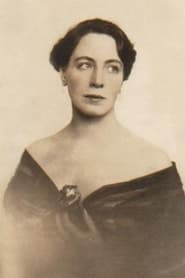
Pauline Brunius
Actor
Born: February 10, 1881 in Stockholm, Sweden Died: March 30, 1954 Active: 1910-1954 Birth Name: Pauline Augusta Emilia Brunius
Films
5 films
About Pauline Brunius
Made significant contributions to early Scandinavian cinema during the silent era. Born into a theatrical family, she began her career on the Swedish stage before transitioning to film in the early 1920s. Her film career, though brief, included notable performances in several important Swedish productions of the period, working with prominent directors of the Golden Age of Swedish cinema. Beyond her acting work, Brunius was also a accomplished theater director and manager, later taking leadership roles at prestigious Swedish theaters including the Royal Dramatic Theatre. Her artistic vision and dedication to both theatrical and cinematic arts made her an influential figure in Swedish cultural life during the early 20th century. After her film career ended, she continued to shape Swedish performing arts through her theater work, mentoring generations of performers and directors. Her legacy represents the important role women played in shaping early European cinema and theater.
The Craft
On Screen
Brunius was known for her naturalistic and emotionally nuanced performances in the emerging realist style of Swedish cinema. Her acting embodied the subtle, introspective approach characteristic of the Golden Age of Swedish film, emphasizing psychological depth over melodramatic gestures.
Milestones
- Stage debut at the Swedish Theatre in 1902
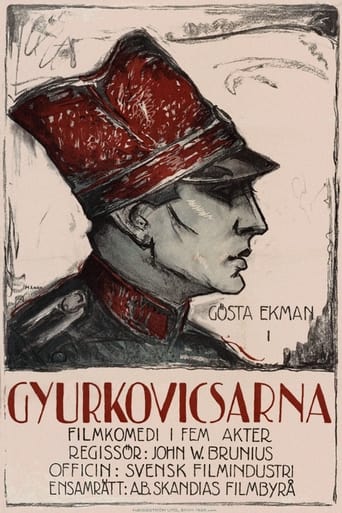
- Film debut in The Gyurkovics Boys (1920)
- Director of the Royal Dramatic Theatre (1938-1948)
- work in Swedish silent cinema
- Leadership in Stockholm's theater scene
Best Known For
Iconic Roles
Must-See Films
Accolades
Won
- Litteris et Artibus medal (1939)
Special Recognition
- Member of the Royal Swedish Academy of Arts
- Director Emeritus of the Royal Dramatic Theatre
Working Relationships
Worked Often With
Studios
Why They Matter
Impact on Culture
Pauline Brunius played a crucial role in bridging the gap between Sweden's theatrical tradition and its emerging film industry during the silent era. Her work helped establish the naturalistic acting style that would become characteristic of Swedish cinema's Golden Age. As a woman in leadership positions during the early 20th century, she broke gender barriers and paved the way for future generations of female artists and administrators in Swedish performing arts. Her tenure as director of the Royal Dramatic Theatre coincided with important developments in Swedish theater, including the rise of modernist interpretations of classic works.
Lasting Legacy
Brunius's lasting legacy lies in her dual contributions to both Swedish cinema and theater. While her film career was brief, her performances in key silent films remain important examples of early Swedish cinematic artistry. Her greater impact came through her theater leadership, where she shaped the development of Swedish performing arts through two world wars. The artistic standards she established and the performers she trained continued to influence Swedish culture long after her death. Her career represents the important but often overlooked role women played in shaping European cultural institutions during the early 20th century.
Who They Inspired
Brunius influenced subsequent generations of Swedish actors and directors through her work at the Royal Dramatic Theatre, where she emphasized classical training combined with modern interpretive approaches. Her naturalistic acting style in silent films helped establish the restrained, psychologically nuanced tradition that would characterize Swedish cinema. Many of the performers she mentored went on to international success, helping spread Swedish artistic values worldwide. Her administrative innovations in theater management influenced how cultural institutions were operated in Sweden.
Off Screen
Pauline Brunius came from a theatrical family and married fellow actor Oskar Textorius in 1905, though they later divorced. She then married actor and director John W. Brunius in 1909, with whom she had three children, including actors Palle Brunius and Anne-Marie Brunius. Her family life was deeply intertwined with her professional career, creating a theatrical dynasty that influenced Swedish performing arts for decades.
Education
Trained at the Royal Dramatic Theatre's acting school (Dramatens elevskola)
Family
- Oskar Textorius (1905-1909)
- John W. Brunius (1909-1932)
Did You Know?
- She was one of the first women to direct the Royal Dramatic Theatre
- Her daughter Anne-Marie Brunius was also a successful actress
- She appeared in films directed by both Mauritz Stiller and Victor Sjöström, two masters of Swedish silent cinema
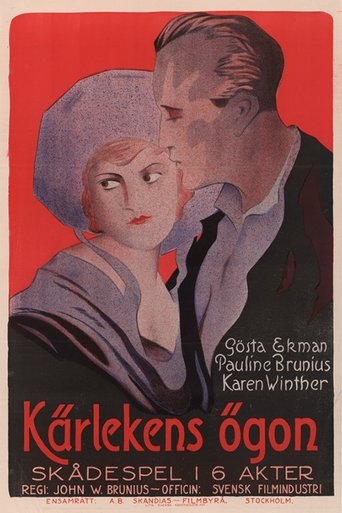
- Her husband John W. Brunius — prominent Swedish film director
- She received the Litteris et Artibus medal for her contributions to Swedish culture
- Her active years covered from the early days of Swedish film to the post-World War II era
- She came from a family with deep theatrical roots spanning multiple generations
- Her son Palle Brunius continued the family tradition in entertainment
- She was known for her strict but fair leadership style as theater director
- She helped preserve classical theatrical traditions while embracing modern innovations
In Their Own Words
The theater is not just entertainment; it is the soul of our culture reflected on stage
Every actor must first learn to be human before they can learn to be someone else
Silent film teaches us that emotion needs no words to be understood
Frequently Asked Questions
Who was Pauline Brunius?
Swedish actress and theater on YTB.my. She made significant contributions to both Swedish cinema and theater during the early 20th century.
What films is Pauline Brunius best known for?
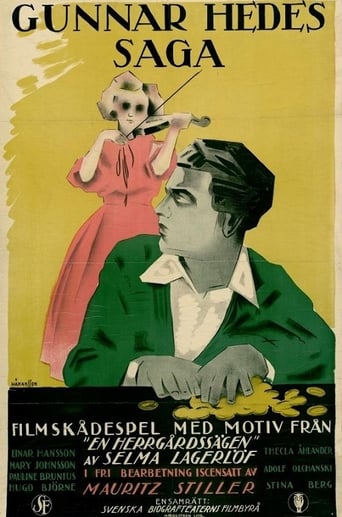
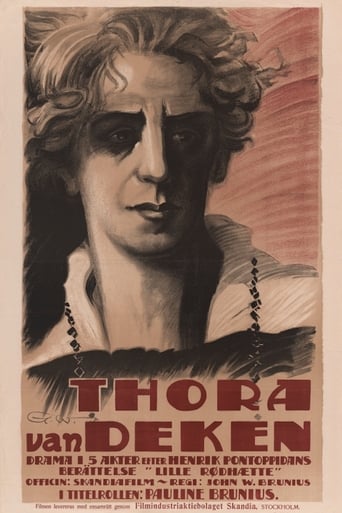
Titles linked here include Thora van Deken (1920), Gunnar Hede's Saga (1923).
When was Pauline Brunius born and when did she die?
Born February 10, 1881; died March 30, 1954.
What awards did Pauline Brunius win?
She received the prestigious Litteris et Artibus medal in 1939 for her significant contributions to Swedish arts and culture. She was also honored as a member of the Royal Swedish Academy of Arts.
What was Pauline Brunius's acting style?
Brunius was known for her naturalistic and emotionally nuanced performances that embodied the realist style characteristic of Swedish cinema's Golden Age. Her acting emphasized psychological depth and subtle expression over melodramatic gestures.
How did Pauline Brunius influence Swedish theater?
As director of the Royal Dramatic Theatre from 1938-1948, she shaped the development of Swedish performing arts by combining classical training with modern approaches, mentoring future stars like Ingrid Bergman, and maintaining high artistic standards during a turbulent period in European history.