John W. Brunius
Actor & Director
Born: December 26, 1884 in Stockholm, Sweden Died: December 17, 1937 Active: 1915-1928 Birth Name: John Wilhelm Brunius
Films
11 films
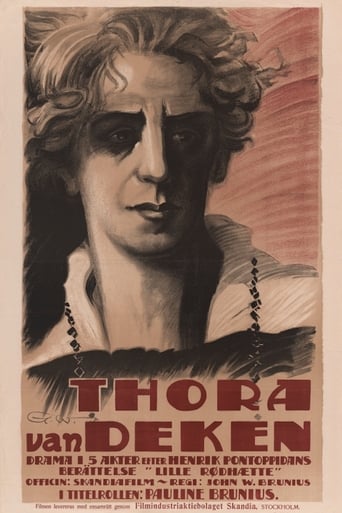

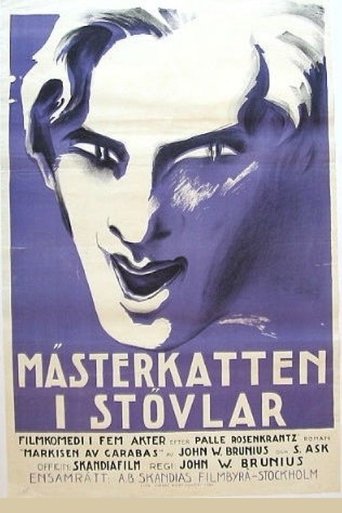
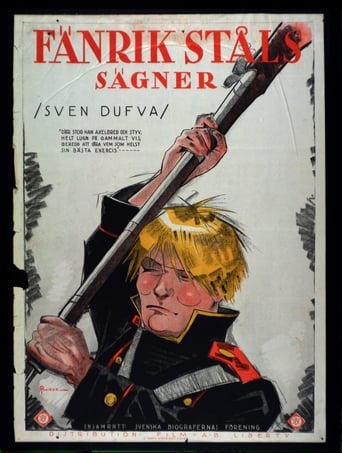
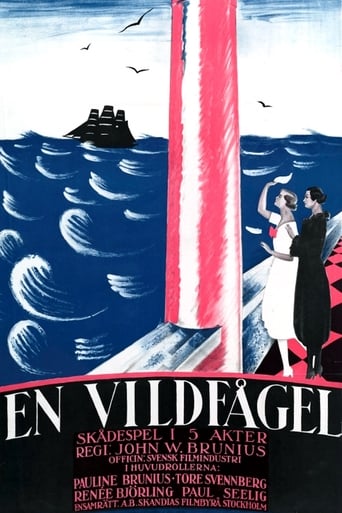
About John W. Brunius
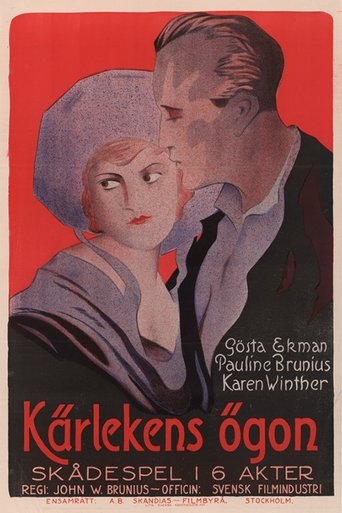
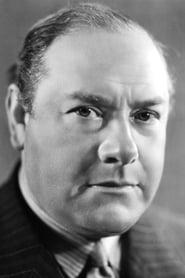
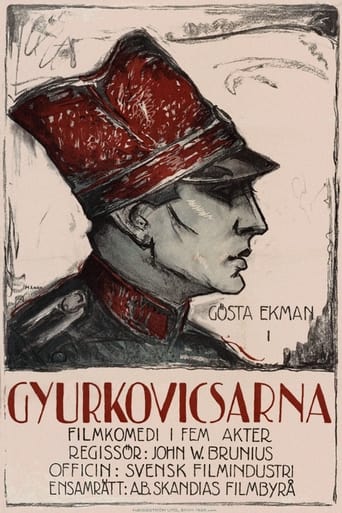
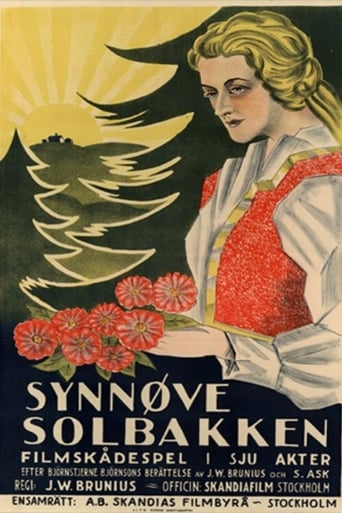
John Wilhelm Brunius — Swedish film director, screenwriter, and actor who in the development of Swedish cinema during the silent era. Born into a theatrical family, he began his career as an actor at the Royal Dramatic Theatre in Stockholm before transitioning to filmmaking in the late 1910s. Brunius quickly established himself as a prominent director, known for his adaptations of literary works and his ability to blend dramatic storytelling with visual sophistication. His most productive period spanned from 1919 to the mid-1920s, during which he directed over 30 films, including notable works like 'The Fairy of Solbakken' (1919) and 'A Scarlet Angel' (1922). As the film industry transitioned to sound, Brunius continued directing but with less frequency, eventually returning to his theatrical roots. His career reflected the evolution of Swedish cinema from its early artistic golden age to the challenges of the sound era, leaving behind a legacy of technically accomplished and emotionally resonant films that captured the essence of Scandinavian storytelling traditions.
The Craft
On Screen
As an actor, Brunius was trained in classical theatrical techniques, bringing dramatic intensity and emotional depth to his performances. His stage background informed his understanding of character development and narrative pacing, which later proved invaluable in his directorial work.
Behind the Camera
Brunius was known for his meticulous attention to visual composition and his ability to create atmospheric, emotionally resonant scenes. His directing style combined theatrical precision with cinematic innovation, featuring careful lighting, detailed set designs, and a focus on psychological depth. He often employed natural locations to enhance the authenticity of his stories, particularly in his adaptations of Nordic literature.
Milestones
- Transitioned from stage acting to film directing in 1915
- Directed over 30 films during the Swedish silent era golden age
- Notable adaptations of literary works including Selma Lagerlöf's stories
- Co-founded production company Filmindustri AB Skandia
- Pioneered sophisticated visual storytelling techniques in Swedish cinema
- Successfully navigated the transition from silent films to early talkies
Best Known For
Iconic Roles
Must-See Films
Accolades
Won
- Royal Patriotic Society Medal for contributions to Swedish culture
Nominated
- No major formal award nominations during his era - pre-Oscar period
Special Recognition
- Recognized as a pioneer of Swedish cinema
- Honored in Swedish Film Institute archives
- Featured in retrospectives of Scandinavian silent cinema
Working Relationships
Worked Often With
Studios
Why They Matter
Impact on Culture
John W. Brunius played a crucial role in establishing Sweden as a major force in international cinema during the silent era. His adaptations of Swedish literature helped introduce Nordic culture and storytelling to global audiences, contributing to the cultural exchange between Scandinavia and the rest of Europe. His films often explored themes of rural life, moral complexity, and the tension between tradition and modernity, reflecting broader societal changes in early 20th-century Sweden. Brunius's work demonstrated that cinema could be both commercially successful and artistically significant, influencing the development of national cinema industries across Europe.
Lasting Legacy
Brunius's legacy endures through his contributions to the golden age of Swedish cinema and his role in bridging theatrical and film arts. His films are preserved and studied by film historians as examples of sophisticated silent-era storytelling and technical innovation. The Brunius family's multi-generational impact on Swedish entertainment continues to be recognized, with their work featured in retrospectives and academic studies of Scandinavian cinema. His approach to literary adaptation influenced subsequent generations of filmmakers, particularly in the Nordic countries.
Who They Inspired
Brunius influenced the development of narrative cinema techniques in Sweden and beyond, particularly in his use of location shooting and naturalistic performances. His work demonstrated the potential for cinema to adapt complex literary works, paving the way for future literary adaptations in film. Contemporary Scandinavian directors continue to reference his visual style and narrative approaches, particularly in their treatment of rural and historical subjects. His emphasis on combining theatrical tradition with cinematic innovation provided a model for other stage directors transitioning to film.
Off Screen
Brunius came from a theatrical family; his father was actor Wilhelm Brunius. He married actress Pauline Brunius in 1909, and together they became one of Sweden's most prominent theatrical couples. Their collaboration extended both on stage and in film, with Pauline often starring in his productions. The couple had two children, Palle Brunius and Anne-Marie Brunius, both of whom entered the entertainment industry. Despite his success in film, Brunius maintained strong ties to the theater throughout his life, viewing cinema as an extension of theatrical art rather than a separate medium.
Education
Trained at the Royal Dramatic Theatre's acting school in Stockholm, receiving classical theatrical education that emphasized Shakespearean and contemporary dramatic works
Family
- Pauline Brunius (1909-1937)
Did You Know?
- Co-founded Filmindustri AB Skandia, one of Sweden's early major production companies
- His film 'Gunnar Hedes saga' (1923) featured spectacular winter scenes shot in extreme conditions
- Brunius often cast his wife Pauline in leading roles, showcasing her theatrical training
- Several of his films were based on works by Nobel Prize-winning author Selma Lagerlöf
- He directed one of Greta Garbo's early film appearances before her international fame
- Brunius maintained parallel careers in both theater and film throughout his working life
- His films were among the first Swedish productions to achieve international distribution
- He experimented with early sound technology in the late 1920s before returning to theater
- The Brunius family home in Stockholm became a gathering place for Swedish cultural figures
- His directorial approach emphasized long takes and minimal editing, reflecting his theatrical background
In Their Own Words
Film is merely theater with a wider stage and more sophisticated lighting
The camera must serve the story, not dominate it
True cinema begins where theatrical art ends
In Sweden, our stories grow from the soil and the seasons
The most important special effect is the human heart
Frequently Asked Questions
Who was John W. Brunius?
Prominent Swedish on YTB.my. He directed over 30 films between 1915 and 1928, known for his adaptations of literary works and sophisticated visual storytelling techniques.
What films is John W. Brunius best known for?
Titles linked here include The Fairy of Solbakken (1919), Oh, Tomorrow Night. (1919).
When was John W. Brunius born and when did he die?
Born December 26, 1884; died December 17, 1937.
What was John W. Brunius's directing style?
Brunius's directing style combined theatrical precision with cinematic innovation, featuring careful attention to visual composition, atmospheric lighting, and psychological depth. He often used natural locations and emphasized long takes, reflecting his classical theater training while embracing the unique possibilities of cinema.
How did John W. Brunius influence Swedish cinema?
Brunius helped establish Sweden as a major force in international cinema during the silent era, particularly through his literary adaptations and technical innovations. He co-founded Filmindustri AB Skandia and mentored many actors transitioning from stage to film, contributing to the professionalization of the Swedish film industry.
Was John W. Brunius married and did he have children?
Yes, Brunius married actress Pauline Brunius in 1909, and they became one of Sweden's most prominent theatrical couples. They had two children, Palle and Anne-Marie, both of whom followed their parents into the entertainment industry, creating a multi-generational legacy in Swedish performing arts.