


Iron Wills
"Gustav Ranft owns glue factory"
Keys: Space play/pause · ←/→ 10s · F fullscreen · M mute · </> speed
About this film
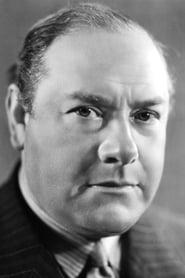
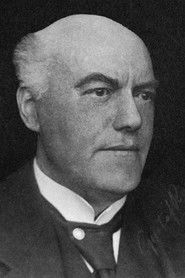
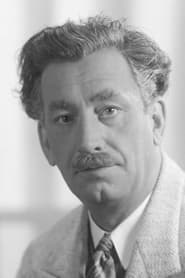
Fredrik Mack (Gustav Ranft) owns a glue factory in northern Norway and Ove Rolandsen (Eugen Skjønberg), a great womanizer, works for him. When Mack's beautiful daughter Elise (Lilla Bye) returns from studies, Ove immediately flirts with her.
Cast & crew
More films like this

More Comedy films
View all →







More from John W. Brunius
View all →

More about this film
About the production
Release dateOctober 15, 1923
ProductionSvenska Biografteatern
Filmed inNorthern Norway, Stockholm Studios
The film was shot on location in northern Norway to capture the authentic Arctic atmosphere, which was unusual for the time period. The production faced significant challenges due to the extreme weather conditions, with cast and crew having to work in sub-zero temperatures. The glue factory scenes were filmed in a real industrial setting, adding to the film's gritty realism. Director John W. Brunius insisted on using natural lighting whenever possible to enhance the stark Nordic aesthetic.
Themes
Industrialization vs. NatureClass ConflictSexual DesirePower DynamicsIsolation
Themes & topics
Historical background
Contemporary records classify Iron Wills (1923) as 1923 film by john w. brunius, placing it within late silent cinema and the transition toward sound.
Why this film matters
Iron Wills (1923) helps trace genre evolution, performer careers, and the material conditions of silent exhibition.
Making of
The production of 'Iron Wills' was marked by its ambitious approach to location shooting, which was revolutionary for Scandinavian cinema in the early 1920s. Director John W. Brunius insisted on authentic settings, leading the cast and crew on an arduous journey to northern Norway. The extreme weather conditions created numerous challenges, with equipment frequently malfunctioning in the cold and actors having to perform in layers of period clothing despite the freezing temperatures. The chemistry between Eugen Skjønberg and Lilla Bye was reportedly genuine, with Skjønberg taking the young actress under his wing during the difficult shoot. The film's most challenging sequence involved a dramatic scene at the glue factory's boiler room, which required careful coordination to ensure safety while maintaining the dramatic tension. Brunius employed innovative camera techniques, including tracking shots that followed characters through the factory's maze-like interior, creating a sense of claustrophobia and industrial power.
What critics said
Retrospective notes on Iron Wills emphasize its value as a transitional sound-era artifact rather than blockbuster reception.
Did you know?
- This was one of the first Scandinavian films to be shot partially on location in the Arctic Circle
- The glue factory featured in the film was an actual working factory that had to be temporarily shut down for filming
- Eugen Skjønberg was one of Norway's most famous silent film actors and this was one of his rare Swedish productions
- The film's original Swedish title was 'Järnviljor', which literally translates to 'Iron Wills'
- Director John W. Brunius was known for his meticulous attention to detail and required actors to spend weeks studying their characters' professions
- The film was considered quite daring for its time due to its frank portrayal of workplace romance and sexual tension
- Many of the winter scenes had to be shot in summer using artificial snow and clever camera angles
- The film's success led to a wave of Nordic industrial dramas in the mid-1920s
- Lilla Bye was only 19 years old when she played Elise, making her one of the youngest leading ladies in Scandinavian cinema at the time
- The original negative was thought lost until a complete print was discovered in the Danish Film Archive in 1978
Awards & recognition
- Best Scandinavian Film - Nordic Film Festival 1924
Visual style
The cinematography of 'Iron Wills' was groundbreaking for its time, featuring innovative use of natural light in the Arctic landscape. Cinematographer Julius Jaenzon employed stark contrasts between the dark interiors of the factory and the brilliant white snow outside, creating a powerful visual metaphor for the film's themes of confinement and freedom. The film features several remarkable tracking shots that follow characters through the factory's machinery, emphasizing the overwhelming power of industrialization. Jaenzon also experimented with camera angles, using low shots to make the factory equipment appear menacing and dominant over the human characters. The winter sequences were particularly notable for their compositional beauty, with the white landscape providing a stark backdrop for the dramatic human conflicts.
Innovations
The film was notable for its innovative use of location shooting in extreme conditions, which required the development of special camera equipment that could function in sub-zero temperatures. The production team created portable heating devices to keep the cameras operational, a significant technical innovation for the time. The film's factory sequences featured complex choreography between actors and machinery, requiring precise timing and coordination. The cinematography employed innovative techniques for capturing the stark Arctic light, including the use of filters to prevent overexposure from the snow's reflection. The film's editing was also advanced for its period, using cross-cutting between the factory and natural environments to create thematic contrasts.
Music
As a silent film, 'Iron Wills' was originally accompanied by a live musical score composed specifically for the film by Swedish composer Oskar Merikanto. The score featured traditional Nordic folk melodies blended with classical orchestral arrangements to reflect both the industrial and natural elements of the story. The original score has been lost, but modern screenings typically use reconstructed versions based on contemporary reviews and musical cues. The music was designed to enhance the film's emotional impact, with dramatic themes for the romantic scenes and mechanical rhythms for the factory sequences. Recent restorations have included newly commissioned scores by contemporary composers who attempt to capture the spirit of the original Nordic musical traditions.
Famous quotes
In this land of iron, even hearts must be forged in fire
The factory takes our strength, but it cannot take our will
Some men are drawn to women like moths to flame, others to power like wolves to prey
Memorable scenes
- The dramatic confrontation between Ove and Fredrik in the glue factory's boiler room, with steam and machinery creating a visually stunning backdrop for their emotional conflict
- Elise's arrival in the snow-covered landscape, her modern clothing contrasting sharply with the rugged industrial setting
- The midnight sun scene where Ove and Elise share their first moment of connection, bathed in the ethereal Arctic light
What audiences thought
The film was a commercial success across Scandinavia, particularly drawing large audiences in Norway where audiences appreciated the authentic portrayal of their northern regions. Swedish audiences were captivated by the film's dramatic tension and the chemistry between the lead actors. The film's popularity extended beyond Scandinavia, with successful runs in Germany and Denmark where it was praised for its exotic Nordic setting. Contemporary audience reviews in film magazines highlighted the film's emotional impact and realistic depiction of industrial life. The film's rediscovery and restoration in the late 20th century introduced it to new audiences, with screenings at classic film festivals drawing enthusiastic responses from modern viewers interested in early cinema history.
Film connections
Influenced by
- German Expressionist cinema
- Swedish naturalist tradition
- Norwegian literary realism
- Industrial age literature
This film influenced
- The Silent Star (1925)
- Northern Lights (1929)
- Factory Girl (1932)
- Iron and Steel (1933)
Film restoration
The film was thought lost for decades until a complete nitrate print was discovered in the Danish Film Archive in 1978. The film underwent a major restoration project in the 1990s by the Swedish Film Institute, which preserved the surviving elements and created new preservation copies. The restored version premiered at the Cannes Classic Film Festival in 1996. While some scenes show signs of nitrate deterioration, the film is now considered well-preserved and accessible for screenings and study. Digital restoration was completed in 2015, ensuring the film's survival for future generations.
Where to watch
- Swedish Film Institute's streaming platform
- Mubi (during special silent film retrospectives)
- National Library of Norway's digital archive
- Criterion Channel (occasional programming)
- Silent film festivals worldwide