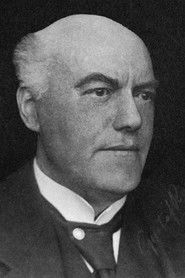
Gustaf Ranft
Actor
Born: August 31, 1856 in Stockholm, Sweden Died: October 6, 1929 Active: 1875-1929 (Stage), 1919-1923 (Film) Birth Name: Gustaf Adolf Ranft
Films
3 films
About Gustaf Ranft
Gustaf Adolf Ranft — Swedish stage and film actor who achieved prominence during the golden age of Swedish silent cinema. Born into a theatrical family, he began his career on the stage and became a respected member of the Royal Dramatic Theatre in Stockholm, where he performed for decades. His transition to film came relatively late in his career, beginning in his early sixties during the burgeoning Swedish silent film era. Ranft worked with some of Sweden's most celebrated directors, including Victor Sjöström and Mauritz Stiller, appearing in several landmark films that would help establish Sweden's international reputation in cinema. His performances were characterized by a dignified presence and classical training that brought gravitas to his roles, often portraying authority figures, patriarchs, and men of substance. Despite his brief film career spanning only about five years, Ranft's contributions to Swedish cinema were significant, as he bridged the gap between traditional theatrical acting and the emerging art form of cinema. His final years were spent continuing his stage work until his death in 1929, leaving behind a legacy as both a respected thespian and a pioneer of Swedish film.
The Craft
On Screen
Classical theatrical training brought dignity and gravitas to his film performances, with a formal presence that commanded respect. His acting style was rooted in 19th-century stage traditions but adapted effectively to the intimate medium of film, using subtle gestures and expressive features to convey emotion. Ranft specialized in portraying authority figures and patriarchs, bringing depth and authenticity to these roles through his years of stage experience.
Milestones
- Long-standing member of the Royal Dramatic Theatre
- Transition from stage to silent film during Swedish cinema's golden age
- Collaborations with directors Victor Sjöström and Mauritz Stiller
- Role in establishing Swedish cinema's international reputation
- Bridge between classical theatrical tradition and emerging film art form
Best Known For
Iconic Roles
Must-See Films
Accolades
Won
- Royal Medal Litteris et Artibus (1917)
Special Recognition
- Member of the Royal Dramatic Theatre
- Recipient of Swedish royal honors for artistic contributions
Working Relationships
Worked Often With
Studios
Why They Matter
Impact on Culture
Gustaf Ranft played a crucial role in legitimizing film as an art form in Sweden by bringing his theatrical prestige to the medium during its formative years. His participation in early Swedish masterpieces helped establish the credibility of cinema among cultural elites and traditional theatergoers. Ranft's successful transition from respected stage actor to film performer demonstrated that cinema could attract serious artistic talent, paving the way for other theatrical actors to embrace the new medium.
Lasting Legacy
Ranft's legacy lies in his contribution to establishing Swedish cinema's artistic reputation during its golden age of the 1920s. As a bridge between traditional theater and emerging cinema, he helped create a synthesis of acting styles that would influence subsequent generations of Swedish actors. His performances in landmark films like those directed by Victor Sjöström remain important examples of how classical theatrical technique could be effectively adapted for the screen.
Who They Inspired
Ranft influenced Swedish cinema by demonstrating that established stage actors could successfully transition to film while maintaining artistic integrity. His dignified presence and classical approach to performance set a standard for serious dramatic acting in Swedish silent films. Younger actors who worked with him benefited from his experience and theatrical discipline, helping establish a tradition of serious dramatic acting in Swedish cinema that would continue through the sound era.
Off Screen
Gustaf Ranft came from a family with strong theatrical connections and married actress Ellen Hartman in 1885, though they later divorced. He was deeply embedded in Stockholm's cultural elite and was regarded as. His personal life was marked by dedication to his craft and the theatrical community, with few scandals and a reputation for professionalism and artistic integrity.
Education
Formal theatrical training through apprenticeship in Stockholm's theatrical community, likely studying under prominent Swedish actors of the 1870s
Family
- Ellen Hartman (1885-1890)
Did You Know?
- Began his stage career at age 19 in 1875
- Was over 60 years old when he made his film debut
- His stage active years covered over 50 years
- Worked with both Victor Sjöström and Mauritz Stiller, the two most important Swedish silent film directors
- Appeared in adaptations of works by Selma Lagerlöf, Sweden's Nobel Prize-winning author
- Received royal recognition for his contributions to Swedish culture
- His film career was brief but occurred during Sweden's most influential period in international cinema
- Was part of the generation that established Sweden as a major force in world cinema during the silent era
- His theatrical training represented the classical tradition that early Swedish cinema drew upon
- Died just as the sound era was beginning, making him exclusively a silent film performer
In Their Own Words
The stage is our temple, but cinema is our new cathedral of dreams
In silence, the actor's face must speak volumes that words cannot express
To bring dignity to the moving image is to elevate art itself
Frequently Asked Questions
Who was Gustaf Ranft?
Swedish with credits in this catalog. He was a long-standing member of the Royal Dramatic Theatre and later became an important figure in Swedish cinema's golden age, working with legendary directors like Victor Sjöström.
What films is Gustaf Ranft best known for?
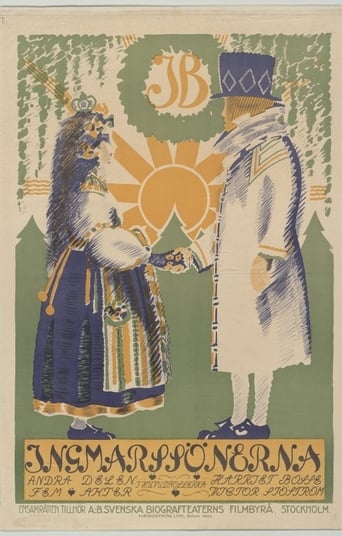
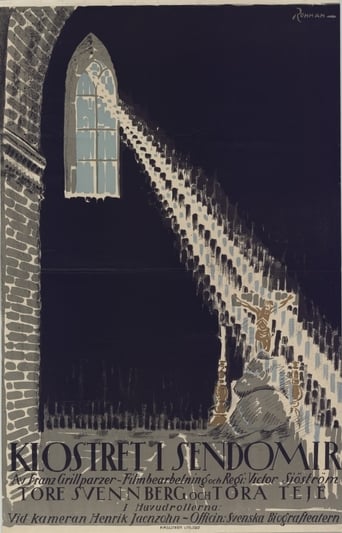
Titles linked here include Sons of Ingmar (1919), The Monastery of Sendomir (1920).
When was Gustaf Ranft born and when did he die?
Born August 31, 1856; died October 6, 1929.
What awards did Gustaf Ranft win?
Ranft received the prestigious Swedish royal medal Litteris et Artibus in 1917 in recognition of his significant contributions to Swedish arts and culture, particularly his work in theater and early cinema.
What was Gustaf Ranft's acting style?
Ranft's acting style was rooted in classical theatrical tradition, characterized by dignity, gravitas, and formal presence. He successfully adapted his stage training for the intimate medium of film, using subtle gestures and expressive features to convey emotion, particularly excelling in roles as authority figures and patriarchs.