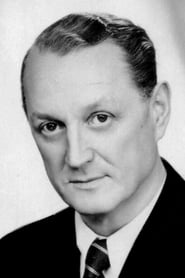
Torsten Hillberg
Actor
Born: June 10, 1888 in Stockholm, Sweden Died: November 15, 1954 Active: 1919-1924
Films
2 films
About Torsten Hillberg
Torsten Hillberg appears once in this catalog: A Lover in Pawn (1920). Born in Stockholm, Sweden, he began his film career around 1919 and appeared in several Swedish productions during the golden age of Swedish silent cinema. Hillberg was primarily a character actor who appeared in supporting roles, often playing authoritative or paternal figures in the films of the period. His most notable works include 'A Lover in Pawn' (1920) and 'Iron Wills' (1923), which were part of the flourishing Swedish film industry of that era. His career was relatively brief, spanning approximately five years from 1919 to 1924, after which he seemingly retired from acting. Like many actors from this period, Hillberg's work was largely forgotten with the advent of sound cinema and the international dominance of Hollywood productions.
The Craft
On Screen
Torsten Hillberg's acting style was typical of the silent era, characterized by exaggerated gestures and facial expressions necessary to convey emotion without dialogue. As a Swedish actor, he was likely influenced by the naturalistic yet theatrical approach common in Scandinavian cinema of the period, which balanced emotional authenticity with the heightened physicality required for silent film performance.
Milestones
- Film debut in Swedish silent cinema (1919)
- Role in 'A Lover in Pawn' (1920)
- Appearance in 'Iron Wills' (1923)
- Work during the golden age of Swedish silent film
Best Known For
Iconic Roles
Must-See Films
Working Relationships
Studios
Why They Matter
Impact on Culture
Torsten Hillberg's cultural impact was minimal, as he was a supporting actor during the silent era who appeared in a limited number of films. However, his work contributes to the broader understanding of Swedish cinema during its golden age in the early 1920s. Like many character actors of the period, Hillberg helped populate the cinematic worlds created by directors, even if his individual contributions were not widely recognized at the time.
Lasting Legacy
Torsten Hillberg's legacy is primarily as a representative example of the many working actors who contributed to early cinema but have since been largely forgotten by history. His filmography, though brief, provides insight into the types of productions being created in Sweden during the silent era and the kind of character roles that were common in films of the period. For film historians and enthusiasts of Scandinavian cinema, Hillberg represents the countless actors who formed the backbone of early film productions.
Who They Inspired
As a supporting actor with a brief career, Torsten Hillberg's direct influence on subsequent generations of actors and filmmakers is negligible. However, his work, along with that of his contemporaries, helped establish the foundation of Swedish cinema during its formative years. The techniques and approaches developed by actors like Hillberg during the silent era would indirectly influence later performers as the art of film acting evolved.
Off Screen
Very little is documented about Torsten Hillberg's personal life, which is common for supporting actors from the silent era, particularly those who worked primarily in European cinema. He was born and raised in Stockholm, Sweden, and appears to have lived his entire life in his home country. After his brief film career ended in the mid-1920s, he likely returned to other forms of employment, as was typical for many character actors of the period who did not transition to sound films.
Did You Know?
- Torsten Hillberg was active during what is considered the golden age of Swedish silent cinema
- His active years covered only about five years, which was not uncommon for character actors of the era
- He worked in Swedish cinema rather than the more internationally visible Hollywood system
- Like many silent era actors, his career ended with the transition to sound films
- Very little documentation about his life exists outside of his film credits
- He was part of a generation of actors who helped establish the language of film performance
- His films were made during a period when Swedish cinema was internationally acclaimed
Frequently Asked Questions
Who was Torsten Hillberg?
Swedish with credits in this catalog.
What films is Torsten Hillberg best known for?
Titles linked here include A Lover in Pawn (1920), Iron Wills (1923).
When was Torsten Hillberg born and when did he die?
Born June 10, 1888; died November 15, 1954.
What awards did Torsten Hillberg win?
There are no records of Torsten Hillberg receiving any major awards or nominations, which was common for supporting actors in European cinema during the silent era.
What was Torsten Hillberg's acting style?
Hillberg's acting style was typical of the silent era, featuring the exaggerated gestures and facial expressions necessary to convey emotion without dialogue, likely influenced by the naturalistic yet theatrical approach common in Scandinavian cinema of the period.