Mona Mårtenson
Actor
Born: June 2, 1902 in Stockholm, Sweden Died: July 8, 1956 Active: 1924-1924 Birth Name: Mona Maria Mårtenson
Films
2 films
About Mona Mårtenson
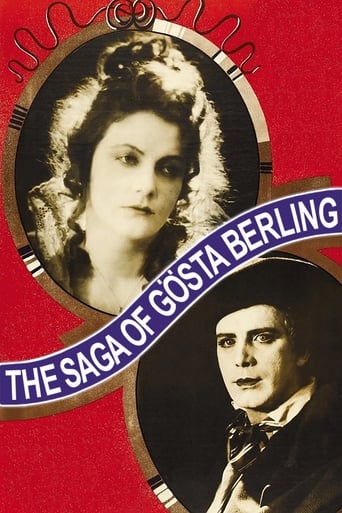
Swedish actress who emerged during the golden age of Swedish silent cinema in the early 1920s. She is best remembered for her role in Mauritz Stiller's acclaimed 1924 film 'The Saga of Gösta Berling,' where she appeared alongside a young Greta Garbo in what would become Swedish films of the silent era. Mårtenson's career, though brief, coincided with the peak of Swedish cinema's international recognition, a period when directors like Victor Sjöström and Mauritz Stiller were bringing global attention to Nordic filmmaking. Her performance in 'Gösta Berling' showcased the naturalistic acting style that characterized Swedish cinema of this period, emphasizing emotional authenticity over theatrical exaggeration. Despite her promising start in one of the era's most significant films, her film career appears to have been limited to this single notable appearance, making her a fascinating example of the many talented performers who contributed to early cinema without achieving lasting fame. Her legacy remains tied to this masterpiece of Swedish silent film, which continues to be studied and celebrated by film historians worldwide.
The Craft
On Screen
Naturalistic and subtle, characteristic of Swedish silent cinema's emphasis on authentic emotion over theatrical gestures
Milestones
- Debuted in Mauritz Stiller's 'The Saga of Gösta Berling' (1924)
- Appeared alongside Greta Garbo in her breakthrough role
- Participated in
Best Known For
Iconic Roles
Must-See Films
Working Relationships
Worked Often With
Why They Matter
Impact on Culture
Mona Mårtenson's contribution to cinema, though limited to a single film, is part of the broader impact of Swedish silent cinema on international film development. 'The Saga of Gösta Berling' represented the pinnacle of Swedish filmmaking artistry and helped launch Greta Garbo's international career. Mårtenson, as part of this ensemble cast, contributed to a film that demonstrated how Nordic cinema could compete with Hollywood and European productions in artistic merit and emotional depth. The film's success helped establish Sweden as a major force in world cinema during the 1920s, influencing filmmakers worldwide with its sophisticated visual storytelling and naturalistic performances.
Lasting Legacy
Mona Mårtenson's legacy is intrinsically tied to her participation in. While she did not achieve the lasting fame of some of her co-stars, her contribution to 'The Saga of Gösta Berling' ensures her place in film history as part of a cinematic masterpiece. The film itself continues to be studied by film scholars and screened at classic film festivals, preserving Mårtenson's performance for future generations. Her story represents the many talented actors who played crucial roles in cinema's development but whose careers were brief, reminding us of the collaborative nature of filmmaking and how even supporting performances contribute to lasting artistic achievements.
Who They Inspired
As a supporting actress in a landmark film, Mona Mårtenson's direct influence on subsequent performers is difficult to trace, but her work contributed to the broader influence of Swedish cinema's naturalistic acting style. The film's success and the performances within it helped demonstrate to international audiences the power of subtle, emotionally authentic acting in silent film, influencing acting techniques beyond Sweden's borders. Her participation in this groundbreaking work contributed to a tradition of Swedish filmmaking that would continue to influence cinema worldwide throughout the 20th century.
Off Screen
Mona Mårtenson was born in Stockholm at the turn of the 20th century, during a period of cultural renaissance in Sweden. After her brief appearance in cinema, she appears to have returned to private life, as there are no records of subsequent film performances. She lived through the transformative period when Swedish cinema shifted from silent films to talkies, though she did not participate in this transition. Her later life remained largely out of the public eye, consistent with many early film actors who did not pursue long-term entertainment careers.
Did You Know?
- Appeared in 'The Saga of Gösta Berling' during the same year that co-star Greta Garbo was discovered by MGM and moved to Hollywood
- The film was based on a famous 1891 novel by Swedish author Selma Lagerlöf, who would later become the first woman to win the Nobel Prize in Literature
- The production was extremely ambitious for its time, featuring over 60 speaking roles and extensive location shooting in the Swedish countryside
- The film's original running time was approximately 183 minutes, though various cuts exist with different lengths
- Mauritz Stiller, the director, was later invited to Hollywood by MGM but left after conflicts with studio executives, taking Garbo with him to Paramount
- The film was considered lost for decades before a complete version was discovered and restored in the 1970s
- Swedish silent cinema of this period was known for its sophisticated use of natural lighting and location shooting, techniques that influenced filmmakers worldwide
Frequently Asked Questions
Who was Mona Mårtenson?
Swedish actress best known for her role in the 1924 silent film 'The Saga of Gösta Berling,'. She appeared alongside a young Greta Garbo in what would become a landmark of Nordic cinema.
What films is Mona Mårtenson best known for?
Titles linked here include The Saga of Gösta Berling (1924).
When was Mona Mårtenson born and when did she die?
Born June 2, 1902; died July 8, 1956.
What awards did Mona Mårtenson win?
There are no records of Mona Mårtenson receiving major awards or nominations for her work. Her recognition comes primarily from her participation in 'The Saga of Gösta Berling,' which is celebrated as a classic of world cinema.
What was Mona Mårtenson's acting style?
Mårtenson's acting style reflected the naturalistic approach characteristic of Swedish silent cinema, emphasizing authentic emotion and subtle performance over theatrical exaggeration. This style was influential in demonstrating how silent film could convey complex emotions through nuanced performance.