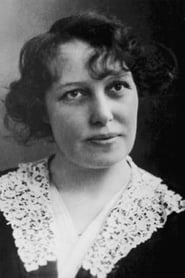
Gerda Lundequist
Actor
Born: December 14, 1871 in Stockholm, Sweden Died: October 23, 1959 Active: 1889-1944 Birth Name: Gerda Carola Augusta Lundequist
Films
1 film
About Gerda Lundequist
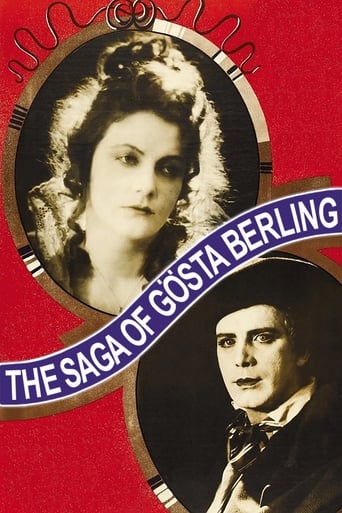
Gerda Lundequist was one of Sweden's most celebrated stage actresses of the late 19th and early 20th centuries, renowned for her powerful interpretations of Henrik Ibsen's female characters. Born into a prominent Stockholm family, she began her theatrical career at the Royal Dramatic Theatre in 1889 and quickly established herself as a formidable dramatic actress. Throughout her decades-long stage career, she became particularly famous for her portrayals in plays like 'Hedda Gabler,' 'A Doll's House,' and 'Ghosts,' earning the nickname 'The Ibsen Queen' of Swedish theater. Her transition to film was minimal, with her most notable screen appearance being in Mauritz Stiller's 'The Saga of Gösta Berling' (1924), where she played Margaretha Samzelius. Despite her limited filmography, her stage performances profoundly influenced Swedish theatrical tradition and inspired generations of actors. She continued performing well into her 70s, retiring from the stage in 1944 after a career spanning over five decades. Lundequist was honored with numerous accolades for her contributions to Swedish culture and remained a respected figure in the arts community until her death in 1959.
The Craft
On Screen
Lundequist was known for her intense, psychologically nuanced performances characterized by powerful emotional depth and meticulous character study. Her acting style combined naturalistic tendencies with dramatic grandeur, particularly effective in Ibsen's complex female protagonists. She employed a commanding stage presence with precise diction and movement, creating memorable interpretations that emphasized the internal conflicts and social constraints of her characters. Her approach was both intellectual and visceral, allowing her to convey subtle psychological states through controlled gestures and expressive facial features.
Milestones
- Stage debut at Royal Dramatic Theatre (1889)
- Breakthrough role in 'Hedda Gabler' (1891)
- Acclaimed performance in 'A Doll's House' (1898)
- Film appearance in 'The Saga of Gösta Berling' (1924)
- Received the Litteris et Artibus medal (1927)
- Final stage performance before retirement (1944)
Best Known For
Iconic Roles
Must-See Films
Accolades
Won
- Litteris et Artibus medal (1927)
- Royal Medal of the 8th size with blue ribbon (1937)
Special Recognition
- Member of the Royal Swedish Academy of Arts
- Named one of Sweden's greatest actresses of all time by Swedish press
- Theater named in her honor at Dramaten
Working Relationships
Worked Often With
Studios
Why They Matter
Impact on Culture
Gerda Lundequist's impact on Swedish theater was profound, establishing new standards for dramatic acting and particularly for the interpretation of Ibsen's works. Her performances helped popularize modern drama in Sweden and influenced the development of realistic acting techniques in Scandinavian theater. She was instrumental in bringing psychological depth and complexity to female roles, challenging traditional portrayals and expanding the possibilities for women in dramatic performance. Her work contributed to Sweden's cultural golden age and helped establish the country's reputation for sophisticated theatrical productions.
Lasting Legacy
Lundequist's legacy endures through her influence on Swedish acting traditions and her definitive interpretations of classic dramatic roles. She is remembered as one of Sweden's greatest tragediennes, whose performances set benchmarks for subsequent generations of actors. Her dedication to artistic excellence and her work in modern drama helped shape Swedish theater's international reputation. The Royal Dramatic Theatre continues to honor her memory, and her performances remain subjects of study in theatrical education programs throughout Scandinavia.
Who They Inspired
Lundequist influenced numerous Swedish actors who followed her, particularly in the interpretation of Ibsen and other modern playwrights. Her naturalistic yet emotionally charged approach to character development became a model for dramatic acting in Sweden. Her work inspired younger actresses to pursue psychologically complex roles and helped establish a tradition of serious dramatic interpretation in Swedish theater. Many prominent Swedish actresses of the 20th century cited her as a major influence on their own artistic development.
Off Screen
Lundequist never married and dedicated her life entirely to her theatrical career and artistic pursuits. She was known for her independent spirit and intellectual pursuits, maintaining close friendships with other prominent cultural figures in Sweden. Despite her fame, she lived a relatively private life focused on her craft and the development of Swedish theater. She was known to be a mentor to younger actors and was respected for her professional dedication and artistic integrity throughout her long career.
Education
Educated at a prestigious girls' school in Stockholm; received dramatic training at the Royal Dramatic Theatre's acting school
Did You Know?
- Despite her immense stage fame, she only appeared in one film during her entire career
- She was nicknamed 'The Ibsen Queen' for her definitive interpretations of Ibsen's female characters
- She performed in over 200 different roles during her 55-year stage career
- She was one of the first Swedish actresses to achieve international recognition
- She never married, stating that her art was her only true love
- Her performance in 'Hedda Gabler' was considered so definitive that no other actress dared to play the role in Stockholm for years
- She was fluent in multiple languages, which helped her understand the nuances of international dramatic works
- She maintained a rigorous daily routine of voice exercises and character study well into her 70s
- She was known for her charitable work, often performing benefits for struggling actors and theatrical causes
- Her portrait hangs in the Royal Dramatic Theatre's Hall of Fame alongside other Swedish theatrical legends
In Their Own Words
The stage is not a place for entertainment, but for truth.
To understand Ibsen's women, one must understand the society that constrains them.
Acting is not about becoming someone else, but about revealing the truth within oneself.
The greatest drama is not what we say, but what we cannot bring ourselves to say.
Frequently Asked Questions
Who was Gerda Lundequist?
Gerda Lundequist was one of Sweden's most celebrated stage actresses of the late 19th and early 20th centuries, renowned for her powerful interpretations of Henrik Ibsen's plays. She had a career spanning over five decades and was particularly famous for her work at the Royal Dramatic Theatre in Stockholm.
What films is Gerda Lundequist best known for?
Titles linked here include The Saga of Gösta Berling (1924).
When was Gerda Lundequist born and when did she die?
Born December 14, 1871; died October 23, 1959.
What awards did Gerda Lundequist win?
She received the Litteris et Artibus medal in 1927 and the Royal Medal of the 8th size with blue ribbon in 1937, both prestigious Swedish honors for contributions to arts and culture.
What was Gerda Lundequist's acting style?
Lundequist was known for her intense, psychologically nuanced performances combining naturalistic tendencies with dramatic grandeur. Her style emphasized internal conflicts and social constraints, particularly effective in Ibsen's complex female protagonists.
Why was Gerda Lundequist called 'The Ibsen Queen'?
She earned this nickname for her definitive and acclaimed interpretations of Henrik Ibsen's female characters, particularly in plays like 'Hedda Gabler,' 'A Doll's House,' and 'Ghosts,' which were considered benchmarks for dramatic acting.