Anders de Wahl
Actor
Born: October 16, 1869 in Stockholm, Sweden Died: March 9, 1956 Active: 1887-1950 Birth Name: Anders August de Wahl
Films
2 films
About Anders de Wahl
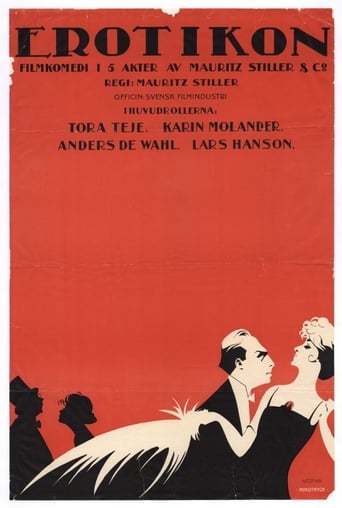
Swedish stage and film actor who achieved prominence during the early 20th century, particularly known for his work in Sweden's burgeoning silent film industry. Born into a theatrical family, de Wahl began his career on the Stockholm stage before transitioning to cinema during the golden age of Swedish silent films. His most notable film appearance was in Mauritz Stiller's controversial and influential erotic comedy 'Erotikon' (1920), which showcased his sophisticated acting style and ability to handle complex character dynamics. De Wahl's stage career was far more extensive than his film work, spanning several decades and establishing him as one of Sweden's most respected theatrical performers. His transition to film was brief but significant, contributing to Sweden's reputation for producing high-quality cinema during the silent era. After his brief film career, de Wahl returned primarily to stage acting, where he continued to perform well into the 1940s, cementing his legacy as a versatile and accomplished performer in Swedish performing arts.
The Craft
On Screen
De Wahl was known for his refined, naturalistic acting style that bridged the gap between 19th-century theatrical traditions and modern screen performance. His stage background gave him exceptional command of diction and physical presence, which he adapted effectively for the intimate medium of film. In 'Erotikon,' he demonstrated a subtle, understated approach that was ahead of its time for silent cinema, relying on nuanced facial expressions and controlled gestures rather than the exaggerated movements typical of the era.
Milestones
- Stage debut at the Swedish Theatre in 1887
- Long-standing engagement at the Royal Dramatic Theatre
- Starring role in Mauritz Stiller's 'Erotikon' (1920)
- Established reputation as one of Sweden's leading character actors
- Received the Litteris et Artibus medal for artistic contributions
Best Known For
Iconic Roles
Must-See Films
Accolades
Won
- Litteris et Artibus medal (1928)
Special Recognition
- Member of the Royal Swedish Academy of Music
- Honorary member of the Swedish Actors' Association
Working Relationships
Worked Often With
Studios
Why They Matter
Impact on Culture
Anders de Wahl played a significant role in the development of Swedish performing arts during the transition from the 19th to the 20th century. His work in 'Erotikon' contributed to the international recognition of Swedish cinema during its golden age, helping establish Sweden as a serious contender in early European film production. His sophisticated acting style influenced a generation of Swedish performers who would later achieve international fame. De Wahl's active years covered a crucial period in Swedish cultural history, from the late Victorian era through the modernist movements of the early 20th century, making him a living link between different artistic epochs.
Lasting Legacy
Anders de Wahl is remembered as one of Sweden's most theatrical actors of the early 20th century, whose brief but memorable film career contributed to Swedish cinema's international reputation. His performances helped establish standards of naturalistic acting that would influence subsequent generations of Swedish actors, including those who achieved Hollywood fame. The Royal Dramatic Theatre, where he spent much of his career, continues to honor his memory as one of its most accomplished alumni. His role in 'Erotikon' remains a significant example of early Swedish cinema's sophistication and artistic ambition, studied by film historians interested in the development of European silent film.
Who They Inspired
De Wahl influenced Swedish acting through his emphasis on psychological realism and subtlety, moving away from the declamatory style common in 19th-century theatre. His approach to screen acting, though brief, demonstrated how theatrical training could be adapted for cinema without losing artistic integrity. Many younger Swedish actors who studied under him or observed his performances adopted his more naturalistic style, which became characteristic of Swedish acting in both theatre and film. His work in 'Erotikon' particularly influenced how romantic comedy and sophisticated adult themes could be handled in cinema, paving the way for more mature storytelling in European film.
Off Screen
Anders de Wahl came from a prominent artistic family and maintained a private personal life despite his public celebrity. He married actress Anna Lisa Hwasser-Engelbrecht in 1896, and their marriage lasted until her death in 1949. The couple had one daughter, Inga de Wahl, who also pursued a career in the arts. De Wahl was known for his intellectual pursuits outside of acting, including literature and music composition. He was a respected figure in Stockholm's cultural circles and maintained friendships with many of Sweden's leading artists and intellectuals of his time.
Education
Royal Dramatic Theatre's acting school (Dramatens elevskola)
Family
- Anna Lisa Hwasser-Engelbrecht (1896-1949)
Did You Know?
- Anders de Wahl was part of the famous de Wahl artistic dynasty in Sweden
- He was a cousin of the renowned painter Eugène de Wahl
- Despite his brief film career, 'Erotikon' became
- He was fluent in several languages, which helped him understand the international appeal of Swedish cinema
- De Wahl was also a talented composer and wrote several musical pieces for theatrical productions
- He was one of the first Swedish actors to successfully transition from stage to film without compromising his artistic standards
- His performance in 'Erotikon' was particularly noted for its subtlety in a film that was controversial for its time due to its adult themes
- De Wahl continued performing on stage well into his 70s, demonstrating remarkable longevity in his career
- He was instrumental in helping establish the modern acting curriculum at the Royal Dramatic Theatre
- The character he played in 'Erotikon' was written specifically for him by director Mauritz Stiller
In Their Own Words
The stage is our temple, but cinema is our window to the world
Acting is not about pretending, but about revealing the truth within the character
In Sweden, we don't just tell stories, we live them on stage and screen
Frequently Asked Questions
Who was Anders de Wahl?
Renowned Swedish stage and film with credits in this catalog. He was particularly known for his sophisticated acting style and his role in the influential silent film 'Erotikon' (1920), though his primary career was in theatre.
What films is Anders de Wahl best known for?
Titles linked here include Erotikon (1920).
When was Anders de Wahl born and when did he die?
Born October 16, 1869; died March 9, 1956.
What awards did Anders de Wahl win?
Anders de Wahl received the Litteris et Artibus medal in 1928, a prestigious Swedish award for contributions to arts and sciences. He was also honored with membership in the Royal Swedish Academy of Music and was made an honorary member of the Swedish Actors' Association.
What was Anders de Wahl's acting style?
De Wahl was known for his refined, naturalistic acting style that emphasized psychological realism and subtlety. He successfully adapted theatrical techniques for the screen, using nuanced expressions rather than the exaggerated movements common in silent cinema, making his performances feel modern and sophisticated.