Mary Johnson
Actor
Born: May 11, 1896 in Fors, Sweden Died: October 7, 1975 Active: 1918-1928 Birth Name: Mary Johansson
Films
7 films
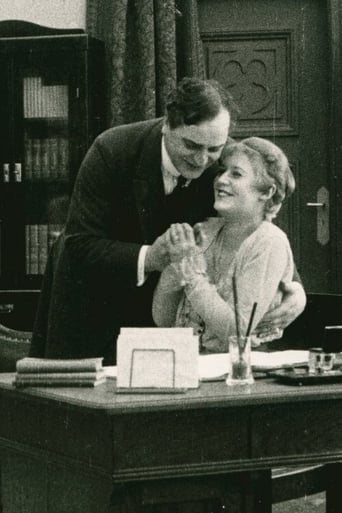
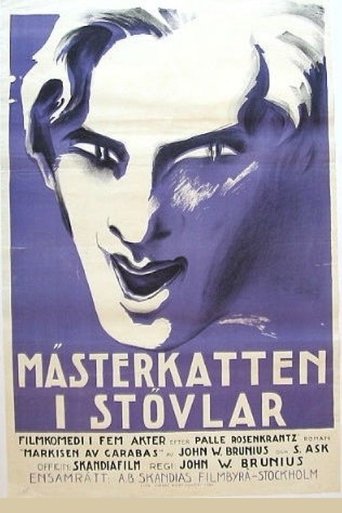
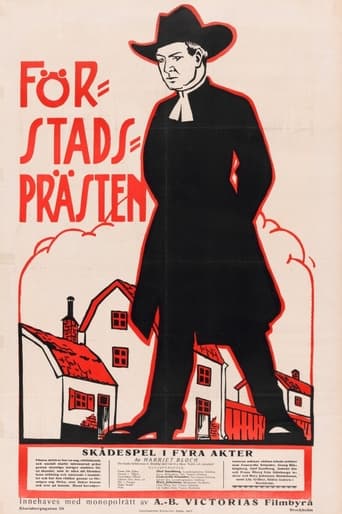
About Mary Johnson
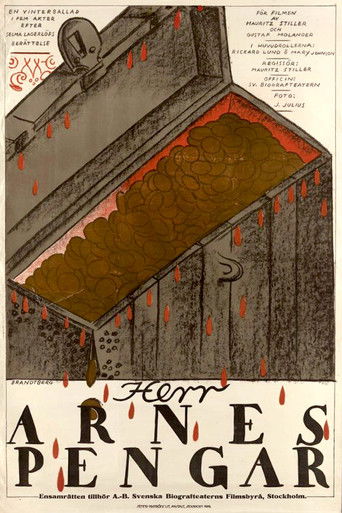
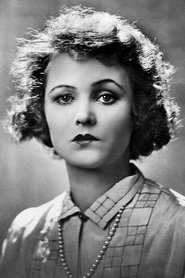
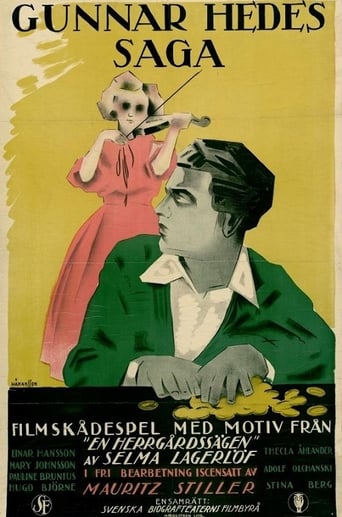
Mary Johnson (born Mary Johansson) was a prominent Swedish actress during the golden age of Swedish silent cinema. She began her career in the late 1910s and quickly rose to prominence through her collaborations with leading Swedish directors of the era. Her breakthrough came with her role in Mauritz Stiller's 'Sir Arne's Treasure' (1919), which established her as one of Sweden's most promising young actresses. Throughout the early 1920s, she continued to work in major Swedish productions, often portraying innocent, vulnerable characters with remarkable emotional depth. Her performance in 'Gunnar Hede's Saga' (1923) further cemented her reputation as a talented dramatic actress capable of conveying complex emotions through the subtle gestures required by silent film. Johnson married renowned director Victor Sjöström in 1922, which influenced her career trajectory and artistic development. Her film career was relatively brief but impactful, with most of her significant work occurring between 1919 and 1923, after which she gradually reduced her film appearances while maintaining a connection to the Swedish theater scene.
The Craft
On Screen
Johnson specialized in subtle emotional expression, perfect for silent film's demands. She portrayed innocent, vulnerable characters with remarkable psychological depth through nuanced facial expressions and controlled body language. Her naturalistic approach avoided exaggerated gestures common in early silent cinema, instead conveying complex emotions through minimal physical movement and intense inner presence.
Milestones
- Starred in Mauritz Stiller's critically acclaimed 'Sir Arne's Treasure' (1919)
- Lead role in 'Gunnar Hede's Saga' (1923)
- Marriage to director Victor Sjöström in 1922
- Prominent figure in Sweden's Golden Age of silent cinema
- Collaborated with Sweden's most important silent film directors
Best Known For
Iconic Roles
Must-See Films
Accolades
Special Recognition
- Recognized as a significant figure in Swedish silent cinema history
Working Relationships
Worked Often With
Studios
Why They Matter
Impact on Culture
Mary Johnson contributed significantly to Sweden's Golden Age of silent cinema, helping establish the country's international reputation for sophisticated, artistic filmmaking. Her performances exemplified the naturalistic acting style that Swedish cinema from its contemporaries, representing the emotional depth and psychological complexity that characterized Swedish silent films. Through her work with directors like Stiller and Sjöström, she participated in creating some of the most artistically important films of the silent era.
Lasting Legacy
Mary Johnson's legacy endures through the preservation of her films, which continue to be studied as examples of Swedish silent cinema at its finest. She remains an important figure in film history for her contributions to one of cinema's most artistically significant national movements. Her performances in 'Sir Arne's Treasure' and 'Gunnar Hede's Saga' are frequently cited as exemplary of the subtle, naturalistic acting style that made Swedish silent cinema internationally respected.
Who They Inspired
Johnson's naturalistic acting style influenced subsequent generations of Swedish actors, demonstrating how subtle, nuanced performance could enhance dramatic storytelling in silent film. Her work helped establish a tradition of psychologically complex acting in Swedish cinema that would continue through the sound era. Her collaborations with master directors created a template for actor-director partnerships that would influence Swedish filmmaking for decades.
Off Screen
Mary Johnson was married to renowned Swedish director Victor Sjöström from 1922 to 1930, which significantly influenced her career and artistic development. The couple had one daughter together, Gun Sjöström, who also became an actress. After her divorce from Sjöström, Johnson largely withdrew from public life and focused on her family. She maintained connections to the Swedish theater community throughout her later years, though she made few film appearances after the mid-1920s.
Education
Likely received theatrical training in Sweden, though specific details are not well documented
Family
- Victor Sjöström (1922-1930)
Did You Know?
- Her birth name was Mary Johansson before adopting Johnson as her stage name
- She married director Victor Sjöström, one of Sweden's most important silent film directors
- Her career was relatively brief but highly impactful, spanning roughly a decade
- She was part of what is now considered the Golden Age of Swedish silent cinema
- Her most famous films were both adaptations of Swedish literary works
- She specialized in playing innocent, often tragic young women
- Her naturalistic acting style was ahead of its time compared to many contemporaries
- Her daughter Gun Sjöström followed in her footsteps to become an actress
- She worked with both Mauritz Stiller and Victor Sjöström, the two giants of early Swedish cinema
- Her films have been preserved and are still shown at film festivals dedicated to classic cinema
In Their Own Words
On silent film acting: 'The camera sees everything, even what you try to hide. You must learn to be honest with your emotions.'
On working with great directors: 'To be directed by someone who understands the soul of a story is the greatest privilege an actor can have.'
Frequently Asked Questions
Who was Mary Johnson?
Swedish actress who rose to prominence during the Golden Age of Swedish silent cinema in the late 1910s and early 1920s. She is best known for her roles in 'Sir Arne's Treasure' (1919) and 'Gunnar Hede's Saga' (1923), and was married to renowned director Victor Sjöström.
What films is Mary Johnson best known for?
Titles linked here include Sir Arne's Treasure (1919), Gunnar Hede's Saga (1923).
When was Mary Johnson born and when did she die?
Born May 11, 1896; died October 7, 1975.
What awards did Mary Johnson win?
During her active period in the silent era, formal acting awards were not yet established in Sweden. However, she is recognized today as a significant figure in Swedish film history for her contributions to the country's Golden Age of cinema.
What was Mary Johnson's acting style?
Mary Johnson was known for her naturalistic and subtle acting style, which was ahead of its time for silent cinema. She avoided exaggerated gestures and instead conveyed complex emotions through nuanced facial expressions and controlled body language, specializing in portraying innocent and vulnerable characters with psychological depth.