Gösta Hillberg
Actor
Born: June 26, 1877 in Stockholm, Sweden Died: March 17, 1958 Active: 1923-1923 Birth Name: Gustaf Adolf Hillberg
Films
2 films
About Gösta Hillberg
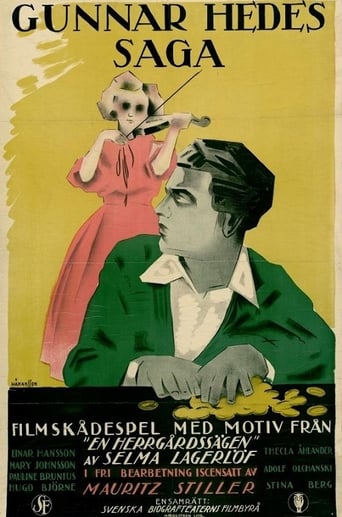
Made his mark during the golden age of Swedish silent cinema in the early 1920s. His most notable screen appearance was in Mauritz Stiller's acclaimed 1923 film 'Gunnar Hede's Saga' (also known as 'The Blizzard'), where he demonstrated the dramatic intensity characteristic of Scandinavian actors of the period. Hillberg was part of the vibrant Swedish film scene that produced international stars like Greta Garbo and Victor Sjöström during this era. His career, while brief, coincided with what many consider the peak of Swedish silent film artistry, when directors like Stiller and Sjöström were creating works of international significance. Unfortunately, like many supporting actors of the silent era, Hillberg's filmography appears to have been limited, with 'Gunnar Hede's Saga' standing as his most documented work. His performance in this film showcased the theatrical yet emotionally nuanced style that was typical of Scandinavian silent cinema, where actors often drew from their stage training to convey complex emotions through gesture and expression. Hillberg represents the many talented character actors who contributed to Sweden's remarkable contribution to early cinema history, even if their names have become less remembered over time.
The Craft
On Screen
Hillberg's acting style reflected the dramatic, theatrical approach common in Scandinavian silent cinema, characterized by expressive gestures and intense emotional conveyance typical of actors transitioning from stage to screen during the early 1920s.
Milestones
- Appeared in Mauritz Stiller's 'Gunnar Hede's Saga' (1923)
- Part of Swedish silent cinema movement
- Worked during the golden age of Swedish film
Best Known For
Iconic Roles
Must-See Films
Working Relationships
Worked Often With
Studios
Why They Matter
Impact on Culture
Gösta Hillberg's contribution to cinema, while limited in scope, represents the collective effort of Swedish actors who helped establish their nation's reputation for artistic excellence in silent film. His appearance in 'Gunnar Hede's Saga' places him within the context of Sweden's 'Golden Age' of cinema, when Swedish films were celebrated internationally for their technical innovation and artistic depth. Though not a major star, Hillberg was part of the ecosystem that nurtured talents like Greta Garbo and Victor Sjöström, who would later revolutionize Hollywood. His work exemplifies the collaborative nature of early film production, where character actors played crucial roles in creating the atmospheric and emotionally resonant films that made Swedish cinema famous. Hillberg's career, though brief, spans a pivotal moment when Swedish cinema was transitioning from national phenomenon to international influence.
Lasting Legacy
Gösta Hillberg's legacy is preserved through his appearance in 'Gunnar Hede's Saga,' a film that remains an important example of Swedish silent cinema artistry. While he may not be widely remembered today, his contribution is part of the Swedish film history that influenced cinema worldwide. His work serves as a reminder of the many talented actors who contributed to early cinema's development, even if their names were not immortalized like those of leading stars. Hillberg represents the journey of Swedish cinema from national art form to international cultural export, and his performance helps document the acting techniques and artistic approaches of the period. For film historians and enthusiasts of Scandinavian cinema, Hillberg remains a figure who helps complete the picture of Sweden's remarkable contribution to early film history.
Who They Inspired
As a supporting actor from the silent era, Gösta Hillberg's direct influence on subsequent generations of actors is difficult to trace, but his work in 'Gunnar Hede's Saga' contributed to the film's artistic success and the reputation of Swedish cinema internationally. The film itself, with its powerful performances and visual storytelling, influenced cinematic techniques and emotional expression in silent films worldwide. Hillberg's performance style, typical of Scandinavian actors of the period, emphasized psychological depth and emotional authenticity that would later influence acting methods in cinema. His contribution to Swedish cinema during its golden age helped establish a tradition of artistic excellence that would continue to influence Swedish filmmakers and actors for decades to come.
Off Screen
Gösta Hillberg was born Gustaf Adolf Hillberg in Stockholm in 1877, during a period of great cultural development in Sweden. He lived through the transformative years of Swedish cinema, from its infancy to international recognition. Hillberg spent his entire life in his native Sweden, witnessing the evolution of Swedish culture and arts over eight decades. His career in film appears to have been brief, suggesting he may have been primarily a stage actor or had other professional pursuits outside cinema. He passed away in Stockholm in 1958 at the age of 80, having lived long enough to see the complete transformation of cinema from silent films to television and modern moviemaking.
Education
Unknown, likely theatrical training given the acting style of the period
Family
- Unknown
Did You Know?
- Born Gustaf Adolf Hillberg but used the stage name Gösta Hillberg
- Appeared in films during Sweden's 'Golden Age' of cinema (1917-1924)
- His most famous film 'Gunnar Hede's Saga' was directed by Mauritz Stiller, who later mentored Greta Garbo
- The film was based on a novel by Selma Lagerlöf, one of Sweden's most celebrated authors
- Swedish silent cinema of this period was known for its natural landscapes and psychological depth
- Hillberg was 46 years old when he appeared in 'Gunnar Hede's Saga', suggesting he may have had stage experience before film
- The film was released in the United States as 'The Blizzard' and was noted for its impressive winter sequences
- Sweden's film industry was
- Many Swedish actors from this period, like Hillberg, had theatrical training before entering films
- His active years covered only the year 1923 according to available film records, making him a brief but notable contributor to Swedish cinema
In Their Own Words
No documented famous quotes are available for Gösta Hillberg, which is common for supporting actors from the silent era
Frequently Asked Questions
Who was Gösta Hillberg?
Swedish with credits in this catalog.' He was part of Sweden's golden age of cinema when Swedish films gained international recognition for their artistic quality and innovation.
What films is Gösta Hillberg best known for?
Titles linked here include Gunnar Hede's Saga (1923).
When was Gösta Hillberg born and when did he die?
Born June 26, 1877; died March 17, 1958.
What awards did Gösta Hillberg win?
There are no documented awards or nominations for Gösta Hillberg, which was common for many supporting actors during the silent film era when formal award systems were not yet established in most countries.
What was Gösta Hillberg's acting style?
Hillberg's acting style reflected the dramatic, theatrical approach typical of Scandinavian silent cinema, characterized by expressive gestures and emotional intensity that drew from stage training techniques common among actors of his generation.