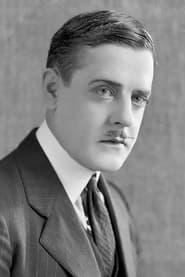
Harry Myers
Actor
Born: September 25, 1882 in New Haven, Connecticut, USA Died: December 25, 1938 Active: 1914-1938
Films
5 films
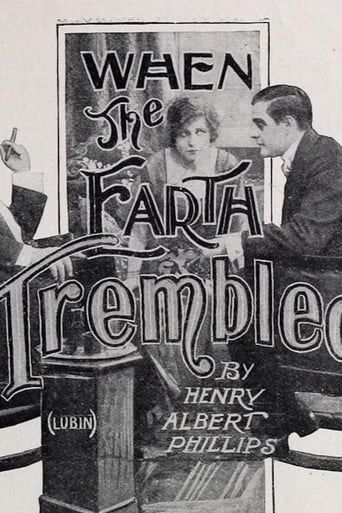
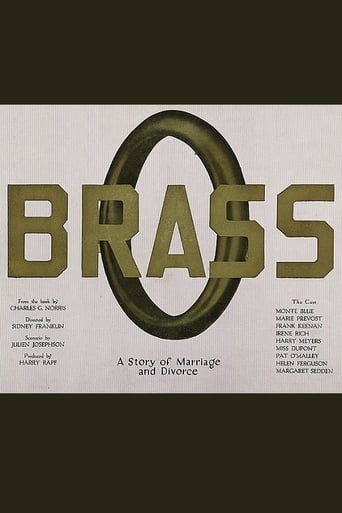
About Harry Myers
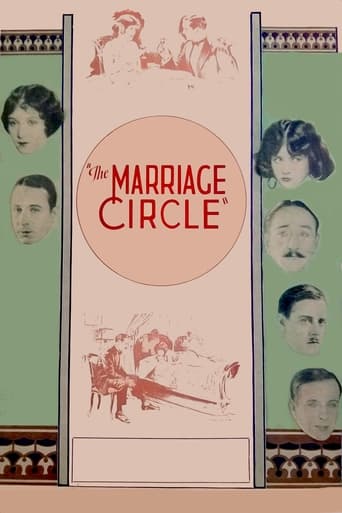
Prolific character actor of the silent era who began his career in vaudeville before transitioning to films in the early 1910s. He worked steadily throughout the silent period, appearing in over 200 films as both an actor and occasionally as a director. Myers was particularly known for his work in comedy films, often playing supporting roles that showcased his versatility and comedic timing. He worked with many of the era's prominent directors, including Ernst Lubitsch in 'The Marriage Circle' (1924). His the transition from silent films to early talkies, though his prominence waned with the advent of sound. Myers continued acting in smaller roles until his death in 1938, leaving behind a substantial body of work that represents the breadth of silent-era filmmaking.
The Craft
On Screen
Myers was known for his expressive face and subtle comedic timing, often playing the bumbling but lovable character in romantic comedies. His vaudeville background gave him a natural physical comedy prowess that translated well to the silent screen. He had a particular talent for conveying emotion through nuanced facial expressions and body language, essential in the silent era.
Milestones
- Transition from vaudeville to silent films in early 1910s
- Collaboration with Ernst Lubitsch on The Marriage Circle (1924)
- Appeared in over 200 films during his career
- Directed several silent films in the 1920s
- Successfully transitioned to early talkies
- Married to fellow actress Rosemary Theby
Best Known For
Iconic Roles
Must-See Films
Accolades
Special Recognition
- Contributor to over 200 classic Hollywood films
- Representative figure of silent era character acting
Working Relationships
Worked Often With
Studios
Why They Matter
Impact on Culture
Harry Myers represents the quintessential character actor of the silent era, whose work helped define the visual language of comedy in early Hollywood cinema. His performances in films like 'The Marriage Circle' contributed to the development of sophisticated romantic comedy as a genre. Myers' ability to convey complex emotions through subtle expressions helped elevate silent film acting beyond the exaggerated gestures common in earlier cinema.
Lasting Legacy
Though largely forgotten today, Harry Myers' extensive filmography provides valuable documentation of silent era comedy and the transition to sound films. His work with directors like Ernst Lubitsch helped establish the sophisticated comedy style that would influence later filmmakers. Myers' career trajectory from vaudeville to film mirrors the broader evolution of American entertainment in the early 20th century.
Who They Inspired
Myers influenced subsequent generations of character actors through his demonstrated versatility and reliability in supporting roles. His subtle comedic style contrasted with the broader slapstick of contemporaries, showing that nuanced humor could succeed in silent cinema. His successful marriage to Rosemary Theby also provided a model for professional partnerships in Hollywood.
Off Screen
Harry Myers married actress Rosemary Theby in 1919, and the couple frequently appeared together in films throughout the 1920s. Their marriage was considered one of the more stable relationships in Hollywood during that era. Myers was known for his professionalism and reliability on set, making him a favorite among directors and producers. He maintained a relatively private personal life despite his extensive film career.
Education
Limited formal education, trained in vaudeville theater circuits
Family
- Rosemary Theby (1919-1938, until his death)
Did You Know?
- Born on September 25, 1882, in New Haven, Connecticut
- Died on Christmas Day 1938 at age 56
- Appeared in Charlie Chaplin's 'The Gold Rush' (1925) in an uncredited role
- Married actress Rosemary Theby in 1919, and they frequently worked together
- Directed several films in addition to his acting career
- Began his entertainment career in vaudeville
- Appeared in over 200 films during his 24-year career
- Successfully made the transition from silent films to talkies
- Was particularly popular in romantic comedy roles
- Worked with some of the biggest stars of his era including Marion Davies and Pola Negri
In Their Own Words
(As a silent actor, his 'quotes' were conveyed through facial expressions and actions rather than words)
Frequently Asked Questions
Who was Harry Myers?
Screen credits include over 200 films between 1914 and 1938. He was known for his comedic roles in romantic films and worked with prominent directors like Ernst Lubitsch.
What films is Harry Myers best known for?
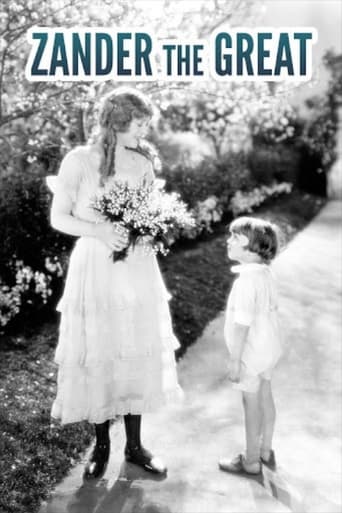
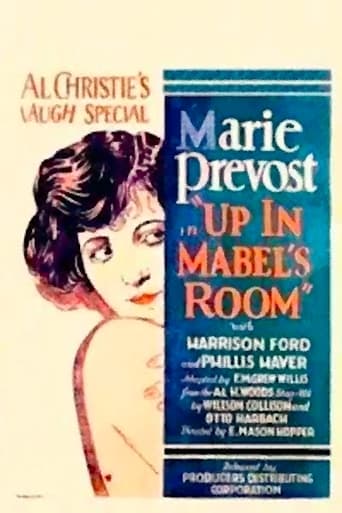
Titles linked here include The Marriage Circle (1924), Zander the Great (1925).
When was Harry Myers born and when did he die?
Born September 25, 1882; died December 25, 1938.
What awards did Harry Myers win?
Harry Myers did not receive any major formal awards during his career, as was common for character actors of his era. His recognition came through his extensive body of work and the respect of his peers in the film industry.
What was Harry Myers' acting style?
Myers was known for his subtle comedic timing and expressive face, often playing bumbling but endearing characters in romantic comedies. His vaudeville background gave him natural physical comedy skills that he adapted for the silent screen.
Was Harry Myers married?
Yes, Harry Myers married actress Rosemary Theby in 1919, and they remained married until his death in 1938. The couple frequently appeared together in films throughout the 1920s.