George W. Hill
Director
Born: April 25, 1895 in Douglas, Kansas, USA Died: August 10, 1934 Active: 1920-1934 Birth Name: George William Hill
Films
3 films
About George W. Hill
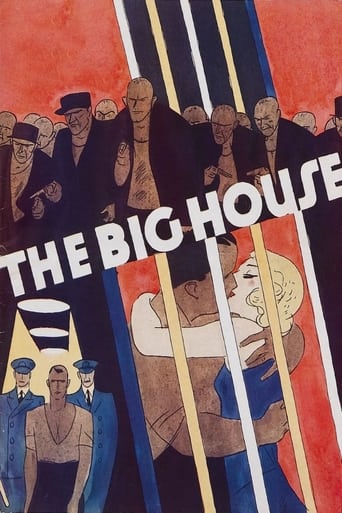
George William Hill — American film director who rose to prominence during the silent era and successfully transitioned into early sound films. Born in Kansas in 1895, Hill began his career as an actor and stuntman before moving behind the camera as a cinematographer and assistant director. He established himself as a major director at MGM in the mid-1920s, known for his gritty realism and dynamic action sequences. His 1930 prison drama 'The Big House' earned him an Academy Award nomination for Best Director and revolutionized the prison film genre. Hill collaborated extensively with his wife, screenwriter Frances Marion, on several successful projects. Despite his professional success, Hill struggled with personal demons and health issues, leading to his tragic suicide in 1934 at age 39. His career, though brief, on Hollywood's Golden Age with his innovative visual style and realistic storytelling approach.
The Craft
Behind the Camera
Known for his gritty realism, dynamic camera movement, and innovative action sequences. Hill's directing style emphasized authenticity and naturalistic performances, often working with non-professional extras for added realism. He was particularly skilled at creating tension in confined spaces and pioneered techniques that would influence film noir.
Milestones
- Directed 'The Big House' (1930), prison drama
- Won Academy Award for Best Director nomination
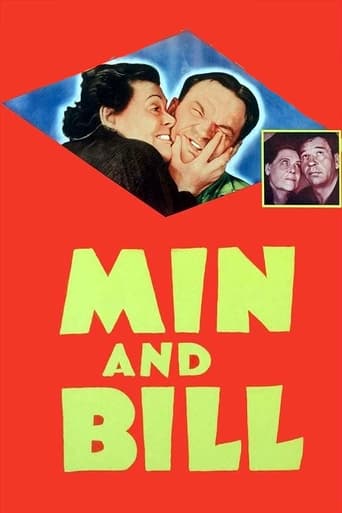
- Directed 'Min and Bill' (1930) starring Marie Dressler and Wallace Beery
- Directed 'Tell It to the Marines' (1926) with Lon Chaney
- Married to renowned screenwriter Frances Marion
- Pioneered realistic action sequences and gritty storytelling
Best Known For
Must-See Films
Accolades
Won
- Academy Award nomination for Best Director for 'The Big House' (1930)
Nominated
- Academy Award for Best Director - 'The Big House' (1930)
Special Recognition
- One of MGM's top directors during the studio's golden era
- Pioneer of the prison film genre
Working Relationships
Worked Often With
Studios
Why They Matter
Impact on Culture
George W. Hill significantly influenced American cinema through his work in the prison film genre with 'The Big House,' which established conventions that would define the genre for decades. His realistic approach to action sequences and his ability to extract powerful performances from actors helped elevate the artistic quality of Hollywood films during the transition from silent to sound cinema. Hill's collaboration with Frances Marion represented.
Lasting Legacy
Despite his relatively short career, George W. Hill left a lasting legacy as a director who brought unprecedented realism and intensity to American cinema. His influence can be seen in later film noir directors and in the gritty realism of 1970s cinema. 'The Big House' remains a classic of the prison genre, and Hill's techniques for creating tension and authenticity continue to be studied by filmmakers. His tragic early death has contributed to his mystique as one of Hollywood's brilliant but troubled talents.
Who They Inspired
Hill's realistic directing style and innovative action sequences influenced generations of filmmakers, particularly in the film noir and crime genres. Directors like William Wellman, Raoul Walsh, and later Sam Fuller and Martin Scorsese have cited Hill's work as an influence. His ability to work within the studio system while maintaining artistic integrity served as a model for future directors seeking to balance commercial and artistic success.
Off Screen
George W. Hill married renowned screenwriter Frances Marion in 1930, though their marriage was short-lived and ended in separation. He had one son, Richard, from a previous marriage. Hill was known for his intense personality and perfectionism on set, which sometimes led to conflicts with studio executives and actors. He struggled with depression and health problems in his final years, exacerbated by the pressures of his demanding career. His tragic death by suicide in 1934 shocked Hollywood and cut short a promising career.
Education
Limited formal education, largely self-taught in filmmaking through practical experience in the industry
Family
- Frances Marion (1930-1933)
- First wife (name unknown, earlier marriage)
Did You Know?
- Committed suicide by gunshot at age 39
- His wife Frances Marion was one of Hollywood's most powerful screenwriters
- was the first film to use synchronized sound effects for a prison riot sequence
- Began his career as a stuntman and actor
- Worked as a cinematographer early in his career
- Was known for his intense, sometimes tyrannical directing methods
- His film 'Tell It to the Marines' was Lon Chaney's favorite of his own films
- Directed both silent and sound films successfully
- Was one of MGM's highest-paid directors in the early 1930s
- His death came just as he was reaching the peak of his professional success
In Their Own Words
I don't make pictures for the critics. I make them for the people who pay to see them.
Realism in film isn't about showing everything - it's about showing the right things.
The camera is not just a recording device; it's an instrument of emotion.
Frequently Asked Questions
Who was George W. Hill?
American on YTB.my. He was one of MGM's top directors in the late 1920s and early 1930s before his tragic death at age 39.
What films is George W. Hill best known for?
Titles linked here include The Big House (1930), Min and Bill (1930).
When was George W. Hill born and when did he die?
Born April 25, 1895; died August 10, 1934.
What awards did George W. Hill win?
George W. Hill received an Academy Award nomination for Best Director for 'The Big House' in 1930. While he didn't win, the film was groundbreaking and established him as one of Hollywood's leading directors.
What was George W. Hill's directing style?
Hill was known for his gritty realism, dynamic camera movement, and innovative action sequences. His style emphasized authenticity, naturalistic performances, and the ability to create intense tension, particularly in confined spaces.