
Holbrook Blinn
Actor
Born: January 23, 1872 in San Francisco, California, USA Died: June 24, 1928 Active: 1890s-1928
Films
3 films

About Holbrook Blinn
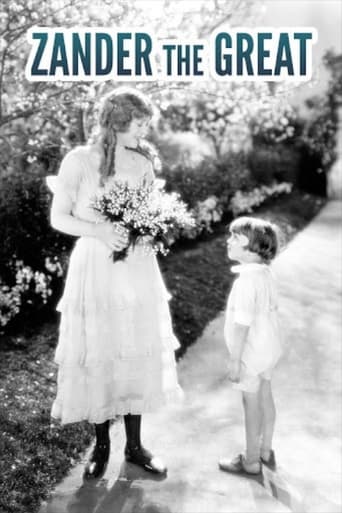
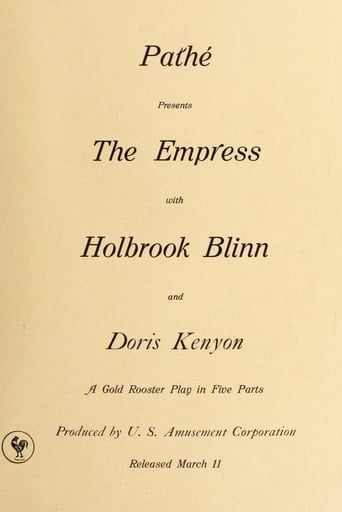
American actor who successfully transitioned from a celebrated stage career to silent film stardom in the early 20th century. Born into a prominent San Francisco family, Blinn began his theatrical career in the 1890s and quickly established himself as a formidable character actor on Broadway, known for his commanding presence and refined diction. His stage success included leading roles in productions by renowned playwrights such as Henrik Ibsen and George Bernard Shaw, making him respected theatrical actors of his generation. Blinn made his film debut in 1914 with the World Film Company, bringing his theatrical gravitas to the emerging medium of cinema. His film career, though relatively brief compared to his stage work, was marked by authoritative portrayals of aristocrats, villains, and men of power, with his most notable performances including 'The Empress' (1917) and 'Zander the Great' (1925) starring Marion Davies. Tragically, his promising film career was cut short when he died in a car accident in 1928 at the age of 56, just as sound films were revolutionizing the industry. Despite his limited filmography, Blinn on early cinema, representing the bridge between Victorian theatrical tradition and modern screen acting.
The Craft
On Screen
Classical theatrical technique with commanding stage presence, characterized by refined diction, aristocratic bearing, and emotional intensity. Blinn brought legitimate stage training to his film work, emphasizing psychological depth and character complexity over the broader gestures common in silent era acting.
Milestones
- Broadway debut in 1898
- Leading roles in Ibsen and Shaw productions
- Film debut with World Film Company (1914)
- Starred in 'The Empress' (1917)
- Critical acclaim for 'Zander the Great' (1925)
- Final film appearance in 'The Noose' (1928)
Best Known For
Iconic Roles
Must-See Films
Accolades
Special Recognition
- Broadway Walk of Fame recognition
- San Francisco Theater Hall of Fame (posthumous)
Working Relationships
Worked Often With
Studios
Why They Matter
Impact on Culture
Holbrook Blinn represented a crucial transitional figure in American entertainment history, embodying the shift from 19th-century theatrical traditions to 20th-century cinema. His successful adaptation of classical stage techniques to the screen helped legitimize film acting as an art form worthy of serious dramatic talent. Blinn's aristocratic presence and sophisticated acting style challenged the prevailing notion that film actors were inferior to their stage counterparts, paving the way for other respected theater actors to enter cinema. His work in historical dramas and literary adaptations helped establish these genres as viable commercial properties in early Hollywood, influencing the industry's move toward more sophisticated, literary-based productions.
Lasting Legacy
Holbrook Blinn's legacy endures as a symbol of theatrical excellence in early cinema and as a bridge between two distinct performance traditions. Though his film career was brief, his performances continue to be studied by film scholars as examples of how classical acting techniques could enhance silent film performances. Blinn's death at the cusp of the sound era represents one of cinema's great 'what if' scenarios - how this master of diction and theatrical technique might have revolutionized early talkies. His influence can be seen in subsequent generations of classically trained actors who successfully made the transition from stage to screen, including established stars like John Barrymore and later, Laurence Olivier.
Who They Inspired
Blinn influenced the approach to dramatic acting in silent films by demonstrating that subtlety and psychological depth could be conveyed through the medium. His technique of combining theatrical precision with cinematic naturalism provided a model for other stage actors entering films. Contemporary actors and directors cited his work as evidence that serious dramatic talent could thrive in cinema, helping to elevate the artistic aspirations of the film industry during its formative years.
Off Screen
Holbrook Blinn was born into a prominent San Francisco family and maintained a relatively private personal life throughout his career. He was known for his intellectual pursuits and was considered. Despite his celebrity status, Blinn avoided the typical Hollywood social scene, preferring the company of fellow theater artists and intellectuals. His death in a car accident on Crooked Canyon Road in Hollywood shocked the entertainment community, as he was at the height of his powers and transitioning successfully into sound films.
Education
Educated in San Francisco private schools, studied drama with prominent theatrical coaches of the 1890s, supplemented with extensive European travel and study of classical theater traditions
Family
- Ruth Findlay (1915-1928)
Did You Know?
- Was one of the highest-paid actors of his time, commanding $1,000 per week in the 1910s
- Spoke fluent French and German, which helped him secure international film roles
- Was a close friend of fellow stage actor John Barrymore
- Turned down numerous offers to return exclusively to theater in favor of film work
- His death occurred just weeks before he was scheduled to begin filming his first sound picture
- Was an accomplished amateur painter and exhibited his work in San Francisco galleries
- Served as a drama coach for young actors transitioning from stage to film
- Was a founding member of the Actors' Equity Association
- Owned a thoroughbred racing stable and was respected in California racing circles
- His final completed film 'The Noose' was released posthumously to critical acclaim
In Their Own Words
The stage teaches you the fundamentals of your craft, but film teaches you the art of subtlety.
An actor's greatest tool is not his voice or his gesture, but his understanding of human nature.
Cinema is not the death of theater, but its evolution - the same stories told with new eyes.
Frequently Asked Questions
Who was Holbrook Blinn?
American with credits in this catalog. Known for his aristocratic bearing and classical training, he was.
What films is Holbrook Blinn best known for?
Titles linked here include The Empress (1917), Zander the Great (1925).
When was Holbrook Blinn born and when did he die?
Born January 23, 1872; died June 24, 1928.
What awards did Holbrook Blinn win?
While formal film awards were not established during most of Blinn's career, he received critical acclaim and recognition including posthumous honors such as induction into the San Francisco Theater Hall of Fame and recognition on the Broadway Walk of Fame for his significant contributions to American theater.
What was Holbrook Blinn's acting style?
Blinn's acting style combined classical theatrical technique with cinematic subtlety, characterized by refined diction, commanding presence, and psychological depth. He brought legitimate stage training to his film work, emphasizing character complexity over the broader gestures common in silent era acting.