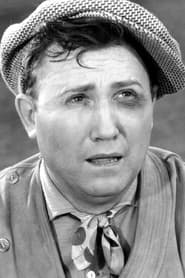
Tom O'Brien
Actor
Born: April 30, 1890 in New York City, New York, USA Died: June 15, 1940 Active: 1925-1929 Birth Name: Thomas Patrick O'Brien
Films
2 films
About Tom O'Brien
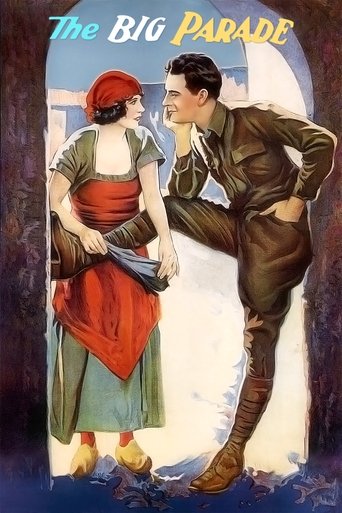
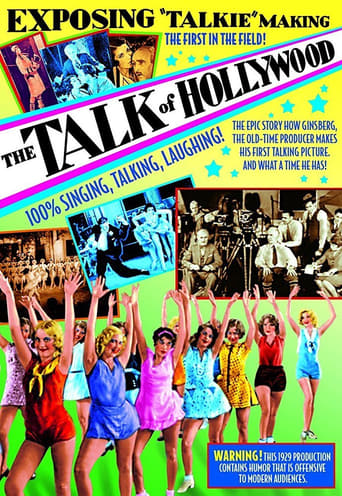
American character actor who rose to prominence during the silent film era, best known for his memorable supporting role in King Vidor's masterpiece 'The Big Parade' (1925). Born in the late 19th century, O'Brien began his film career in the mid-1920s and quickly established himself as a reliable character actor, often portraying the loyal friend or comic sidekick to the leading man. His performance as 'Slim' in 'The Big Parade' alongside John Gilbert showcased his ability to blend humor with heartfelt emotion, making him a standout in the ensemble cast. As the film industry transitioned from silent to sound pictures, O'Brien appeared in early talkies including 'The Talk of Hollywood' (1929), a film that ironically documented the challenges actors faced during this technological revolution. Despite his talent and the success of his films, O'Brien's career was relatively brief, spanning roughly from 1925 to 1929, coinciding with the tumultuous period when many silent film stars struggled to adapt to the new medium of sound. His legacy endures primarily through his work in one of cinema's most acclaimed war films, where his naturalistic acting style helped ground the epic story in human emotion.
The Craft
On Screen
O'Brien was known for his naturalistic and understated acting style, which stood out during an era often characterized by exaggerated gestures and melodramatic performances. He brought authenticity and relatability to his supporting roles, often serving as the everyman character that audiences could connect with. His ability to seamlessly blend comic timing with genuine emotional depth made him particularly effective as a sidekick character, providing both levity and heart to the productions he appeared in.
Milestones
- Breakthrough role as Slim in 'The Big Parade' (1925),
- Transition to talkies with appearance in 'The Talk of Hollywood' (1929)
- Established himself as a reliable character actor in Hollywood's golden silent era
- Worked with acclaimed director King Vidor on multiple occasions
Best Known For
Iconic Roles
Must-See Films
Accolades
Special Recognition
- Featured in American Film Institute's list of greatest American films for 'The Big Parade'
Working Relationships
Worked Often With
Studios
Why They Matter
Impact on Culture
Tom O'Brien's contribution to cinema history is primarily tied to his role in 'The Big Parade,' a film that revolutionized the war genre and became. His portrayal of Slim, the loyal everyman soldier, helped humanize the grand scale of the war narrative and provided audiences with a relatable character through which to experience the story. The film's success helped establish the template for future war films, and O'Brien's naturalistic performance style influenced how supporting characters would be used to ground epic narratives in human emotion.
Lasting Legacy
Though not a household name like some of his contemporaries, Tom O'Brien's legacy endures through his work in one of cinema's most important early masterpieces. His performance in 'The Big Parade' continues to be studied by film scholars as an example of effective supporting character work in silent cinema. The film itself remains a touchstone of American cinema history, and O'Brien's contribution to its success represents the crucial role that character actors play in creating memorable and impactful films.
Who They Inspired
O'Brien's naturalistic acting style influenced how supporting characters in ensemble casts were developed, particularly in war films and large-scale productions. His ability to balance comic relief with emotional depth set a template for future character actors, demonstrating how sidekick roles could be both entertaining and essential to the narrative's emotional core. Many subsequent character actors in Hollywood's Golden Age drew inspiration from the understated authenticity that O'Brien brought to his roles.
Off Screen
Tom O'Brien maintained a relatively private personal life away from the Hollywood spotlight. Born to Irish immigrant parents in New York City, he grew up in a working-class neighborhood before making his way to California to pursue acting. Like many character actors of his era, he focused primarily on his craft rather than cultivating a public persona. His career coincided with the challenging transition period from silent films to talkies, a time that saw many actors struggle to adapt to new technical and performance demands.
Education
Public schools in New York City, informal acting training through theater experience
Family
- Marie O'Brien (married 1918-1940)
Did You Know?
- The Big Parade (1925) in which O'Brien appeared was the highest-grossing silent film of all time, earning approximately $22 million worldwide (equivalent to over $300 million today)
- O'Brien's character 'Slim' was based on real American soldiers that director King Vidor had met during World War I
- He was one of the few actors from 'The Big Parade' who successfully transitioned to early talkies, however briefly
- The Big Parade was selected for preservation in the National Film Registry in 1992 for its cultural, historical, and aesthetic significance
- O'Brien stood 5'8" tall, making him slightly shorter than many leading men of the era, which contributed to his casting as an everyman character
- His Irish heritage and New York background influenced his naturalistic acting style, which contrasted with the more theatrical performances common in silent films
- Despite his success in 'The Big Parade,' O'Brien never achieved leading man status, remaining a respected character actor throughout his career
- The Talk of Hollywood (1929) was one of his last films and was itself about the transition from silent films to talkies, making it somewhat autobiographical
In Their Own Words
In the trenches, you learn that the only thing that matters is the man next to you. - as Slim in 'The Big Parade'
War doesn't make heroes, it makes survivors. - from 'The Big Parade'
Frequently Asked Questions
Who was Tom O'Brien?
American character with credits in this catalog. He specialized in playing everyman characters and loyal sidekicks, bringing naturalistic performances to his supporting roles during Hollywood's transition from silent to sound films.
What films is Tom O'Brien best known for?
Titles linked here include The Big Parade (1925), The Talk of Hollywood (1929).
When was Tom O'Brien born and when did he die?
Born April 30, 1890; died June 15, 1940.
What awards did Tom O'Brien win?
Tom O'Brien did not receive major individual awards during his career, though 'The Big Parade' in which he starred has been recognized by the American Film Institute and preserved in the National Film Registry for its cultural significance.
What was Tom O'Brien's acting style?
O'Brien was known for his naturalistic and understated acting style, which contrasted with the exaggerated performances common in silent films. He brought authenticity and relatability to his roles, effectively balancing comic timing with genuine emotional depth as a character actor.