
Earl Schenck
Actor
Born: May 5, 1888 in New York City, New York, USA Died: December 14, 1962 Active: 1918-1924
Films
3 films
About Earl Schenck
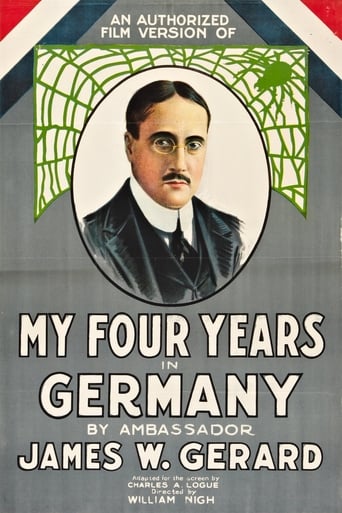
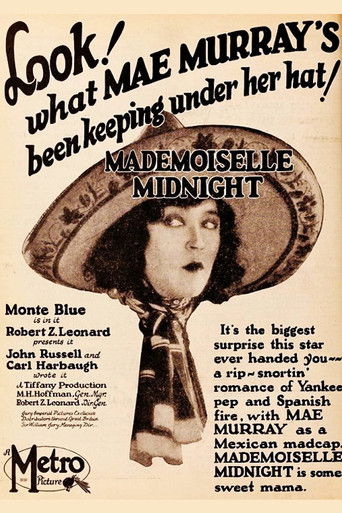
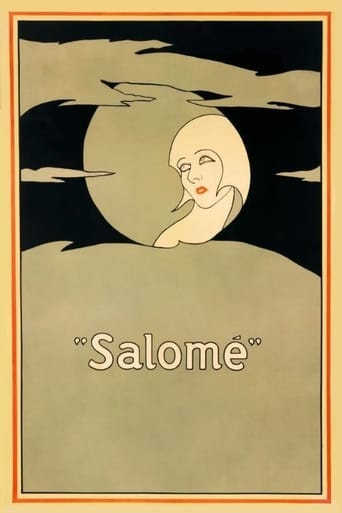
American silent film actor who began his career in the late 1910s, appearing in numerous films during the golden age of silent cinema. He made his debut in 'My Four Years in Germany' (1918), a war drama that capitalized on anti-German sentiment during World War I. Throughout his career, Schenck worked with notable directors of the era and appeared in various genres, from war dramas to exotic romances. His role in 'Salomé' (1922) showcased his ability to work in more artistic and controversial productions, as this film was directed by Alla Nazimova in an avant-garde style. By 1924, with the release of 'Mademoiselle Midnight,' Schenck's film career began to wane as the industry transitioned and new stars emerged. Unlike many of his contemporaries, Schenck did not successfully transition to sound films, and his acting career effectively ended with the silent era. After leaving Hollywood, he largely disappeared from public life, though his contributions to silent cinema remain part of film history.
The Craft
On Screen
As a silent film actor, Schenck employed exaggerated gestures and facial expressions typical of the era, with a commanding screen presence that suited leading roles in dramatic films. His style was representative of the dramatic acting techniques required before the advent of sound, relying heavily on physical expression and intense emotion to convey character motivations.
Milestones
- Debut in 'My Four Years in Germany' (1918)
- Role in avant-garde 'Salomé' (1922)
- Leading role in 'Mademoiselle Midnight' (1924)
Best Known For
Iconic Roles
Must-See Films
Working Relationships
Worked Often With
Studios
Why They Matter
Impact on Culture
Earl Schenck represents the typical journey of many silent film actors who achieved moderate success during the golden age of silent cinema but failed to transition to sound. His work in films like 'Salomé' contributed to the experimental and artistic evolution of silent film, particularly in the early 1920s when filmmakers were pushing boundaries. Schenck's career trajectory illustrates the volatile nature of early Hollywood, where careers could rise and fall rapidly with changing public tastes and technological innovations. His performances in war dramas and exotic romances reflected the popular genres of the time and contributed to the development of these film categories.
Lasting Legacy
While not remembered as a major star, Earl Schenck's body of work serves as an example of the typical leading man of the silent era. His films, particularly 'Salomé,' are studied by film historians interested in experimental cinema of the 1920s. The preservation of his films contributes to our understanding of silent film techniques and storytelling methods. Schenck's career exemplifies the challenges faced by many actors during the transition from silent to sound cinema, making him a subject of interest for scholars studying this pivotal period in film history.
Who They Inspired
As a character actor and leading man of his time, Schenck influenced the archetype of the dramatic leading man in silent films, though his specific influence on later actors is difficult to trace due to the brevity of his career and the transition to sound that followed. His work in 'Salomé' contributed to the evolution of artistic cinema, influencing how filmmakers approached adaptation of literary works for the screen. The techniques he employed in conveying emotion without dialogue demonstrated the possibilities of purely visual storytelling that would continue to influence cinema even after the advent of sound.
Off Screen
Earl Schenck was married to actress Evelyn Greeley, with whom he frequently co-starred in films during the early 1920s. Their marriage was notable in Hollywood circles as both were working actors during the competitive silent film era. After his acting career ended, Schenck largely withdrew from public life, and details about his later years remain scarce. The couple divorced in 1925, around the time Schenck's film career was concluding.
Family
- Evelyn Greeley (1920-1925)
Did You Know?
- Married actress Evelyn Greeley, with whom he co-starred in multiple films
- Appeared in 'My Four Years in Germany,' one of the first American films to portray Germany negatively during WWI
- Worked with the legendary Alla Nazimova in the controversial art film 'Salomé'
- His career effectively ended with the silent era, as he did not transition to sound films
- Like many silent actors, he was largely forgotten by mainstream film history until recent scholarly interest in silent cinema
- His film 'Salomé' was considered highly experimental for its time and featured an all-star cast of actors from Nazimova's acting troupe
- The actor was known for his tall stature and commanding presence, which made him ideal for leading roles
- His final film 'Mademoiselle Midnight' was directed by Rupert Julian, who also directed the famous Phantom of the Opera (1925)
- Schenck's active years covered only six years, making him representative of the brief careers of many silent era actors
- His work in war films like 'My Four Years in Germany' contributed to the propaganda efforts during World War I
Frequently Asked Questions
Who was Earl Schenck?
American silent film with credits in this catalog.' He was a typical leading man of the silent era who did not successfully transition to sound films.
What films is Earl Schenck best known for?
Titles linked here include My Four Years in Germany (1918), Salomé (1922).
When was Earl Schenck born and when did he die?
Born May 5, 1888; died December 14, 1962.
What awards did Earl Schenck win?
There are no documented major awards or nominations for Earl Schenck, which was common for many actors of his era during the early days of cinema before the establishment of major award ceremonies.
What was Earl Schenck's acting style?
Schenck employed the dramatic, exaggerated style typical of silent film actors, using expressive gestures and facial movements to convey emotion without dialogue. He had a commanding screen presence suited for leading dramatic roles.
Was Earl Schenck married?
Yes, Earl Schenck was married to actress Evelyn Greeley from 1920 to 1925. The couple frequently co-starred together in films during the early 1920s.
Why did Earl Schenck's career end?
Schenck's career ended with the transition from silent films to talkies in the late 1920s. Like many silent actors, he did not successfully adapt to the new medium, and his last film appearance was in 1924.