
Films
3 films
About Louis Dean
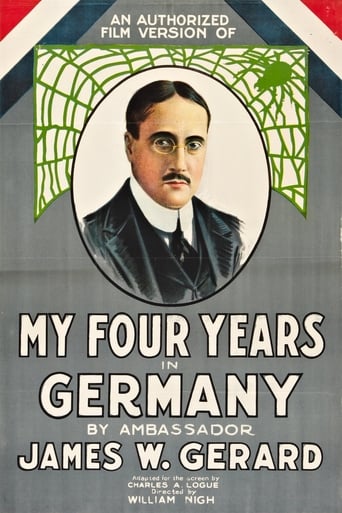
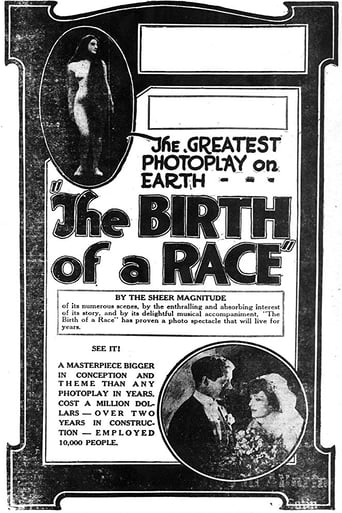
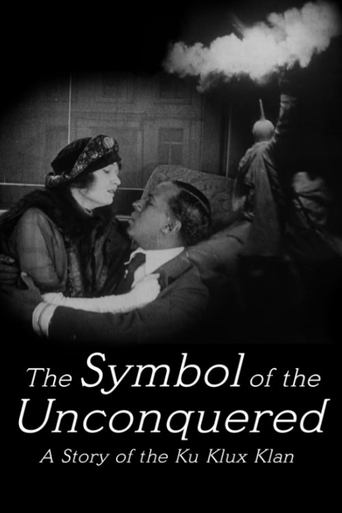
Louis Dean worked on one surviving credit: My Four Years in Germany (1918). His career, though brief, included significant films such as 'My Four Years in Germany' (1918), which was a propaganda film about American experiences in Germany during World War I, and 'The Birth of a Race' (1918), which was an ambitious response to D.W. Griffith's 'The Birth of a Nation.' He also appeared in Oscar Micheaux's 'The Symbol of the Unconquered' (1920), one of the earliest surviving films by an African American director that addressed racial prejudice and the Ku Klux Klan. Dean's acting style was typical of the silent era, emphasizing expressive gestures and facial expressions to convey emotion and narrative. His filmography, while limited in number, represents an important period in early American cinema, particularly in films addressing social and political issues of the time. After 1920, Dean seems to have disappeared from the film industry, with no further credited appearances in major productions, making him one of the many actors from the silent era whose careers were brief but whose work survives in historically significant films.
The Craft
On Screen
Typical of silent era performers with emphasis on exaggerated gestures, expressive facial movements, and physical presence to convey emotion and narrative in the absence of synchronized sound
Milestones
- Appeared in 'My Four Years in Germany' (1918)
- Starred in 'The Birth of a Race' (1918)
- Performed in Oscar Micheaux's 'The Symbol of the Unconquered' (1920)
- Worked during the pivotal period of WWI-themed cinema
- Participated in early films addressing racial and social issues
Best Known For
Iconic Roles
Must-See Films
Working Relationships
Worked Often With
Why They Matter
Impact on Culture
Louis Dean's cultural impact, while not extensive due to his brief career, lies in his participation in historically significant films that addressed major social and political issues of their time. His appearance in 'The Birth of a Race' placed him in an important early response to controversial racial representations in American cinema, while his work in 'The Symbol of the Unconquered' connected him to Oscar Micheaux's efforts in African American filmmaking. These films, though not commercially successful at the time, have gained historical importance for their attempts to counter racist narratives and present more progressive perspectives on race and American society.
Lasting Legacy
Louis Dean's legacy is primarily preserved through his appearances in three historically significant silent films that have survived to the present day. While he never achieved stardom or widespread recognition, his work in films that tackled important social issues of the early 20th century ensures that he remains part of the historical record of American cinema's early attempts to address racial prejudice and war propaganda. His participation in Oscar Micheaux's work places him within the important but often overlooked history of early African American cinema, making him a footnote in the broader narrative of film history's evolution toward more inclusive and socially conscious storytelling.
Who They Inspired
As a supporting actor with a very brief career, Louis Dean did not have a significant direct influence on other performers or filmmakers. However, his participation in groundbreaking films that addressed racial and social issues contributed to the broader movement in cinema toward more socially relevant content. The films he appeared in, particularly those directed by Oscar Micheaux, influenced subsequent generations of filmmakers interested in using cinema as a medium for social commentary and racial representation.
Off Screen
Very little is documented about Louis Dean's personal life, which was common for many supporting actors of the silent era who did not achieve major stardom. His brief film career and subsequent disappearance from the industry suggests he may have been a character actor or someone who pursued acting for a short period before moving to other professions.
Did You Know?
- Appeared in three films all released within a two-year span (1918-1920)
- Worked with African American director Oscar Micheaux
- Participated in early films that directly addressed racial prejudice
- His career coincided with the end of World War I and the early Red Scare period
- Appeared in 'The Birth of a Race', which was one of the earliest films to directly challenge D.W. Griffith's 'The Birth of a Nation'
- Like many silent era actors, his career ended before the transition to sound films
- No known film appearances after 1920
- His exact dates of birth and death remain unknown to film historians
- Representative of the many character actors who populated silent films but never achieved major stardom
Frequently Asked Questions
Who was Louis Dean?
American with credits in this catalog. He is primarily remembered for his roles in socially significant films including 'My Four Years in Germany,' 'The Birth of a Race,' and Oscar Micheaux's 'The Symbol of the Unconquered.'
What films is Louis Dean best known for?
Titles linked here include My Four Years in Germany (1918), The Birth of a Race (1918).
When was Louis Dean born and when did he die?
Unfortunately, the exact birth and death dates of Louis Dean are unknown, which is common for many supporting actors from the silent era who did not achieve major fame. His known film active years covered only from 1918 to 1920.
What awards did Louis Dean win?
There are no records of Louis Dean receiving any major awards or nominations for his acting work. During his brief career in the late 1910s, the formal award systems for cinema were not yet established as they would be in later decades.
What was Louis Dean's acting style?
Louis Dean's acting style was typical of the silent era, relying on expressive gestures, exaggerated facial expressions, and physical presence to convey emotions and narrative. This was essential for actors working before the advent of synchronized sound in films.
Why is Louis Dean historically significant despite his brief career?
Louis Dean is historically significant because he participated in films that addressed important social issues of their time, including racial prejudice and war propaganda. His work with Oscar Micheaux places him within the important early history of African American cinema, even though he never achieved widespread recognition.