


The Symbol of the Unconquered
"Land rights and passing"
Keys: Space play/pause · ←/→ 10s · F fullscreen · M mute · </> speed
About this film
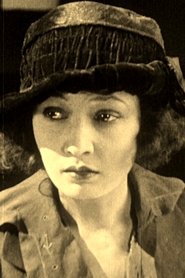
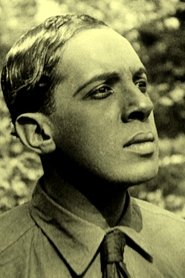
Eve Mason, a white-passing black woman, moves to a remote cottage she inherited from her late father. She makes the acquaintance of her neighbor, a dashing black settler named Hugh Van Allen, and quickly falls for him.
Cast & crew
More films like this
More Drama films
View all →







More from Oscar Micheaux
View all →
More about this film
About the production
Release dateNovember 29, 1920
ProductionMicheaux Book and Film Company
Filmed inChicago, Illinois, South Dakota (location footage)
Micheaux was known for shooting quickly and economically, often using non-professional actors and limited sets. The film was shot on location and in makeshift studios, with Micheaux typically writing, directing, producing, and distributing his own films independently.
Themes
Racial passing and identityLand ownership and economic independenceResistance to racial oppressionCommunity solidarityLove across racial boundaries
Themes & topics
passingracismland ownershipoil discoveryinterracial romanceracial violencecommunity resistanceeconomic empowermentcorruptionsettlementinheritanceracial identityBlack cinemasilent film
Historical background
The Symbol of the Unconquered reached screens around 1920, produced in its country of origin. Silent-era houses paired such titles with live music and newsreel bills.
Why this film matters
Researchers cite The Symbol of the Unconquered when tracing screen culture of its decade.
Making of
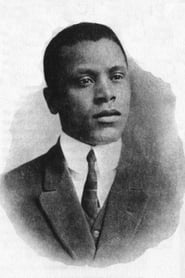
Oscar Micheaux was a pioneering independent filmmaker who worked outside the Hollywood studio system, facing constant financial and technical challenges. He typically operated on shoestring budgets, often financing his films through advance sales to theater owners. Micheaux was known for his rapid production schedule, sometimes completing films in weeks rather than months. The casting process often involved recruiting from local Black communities and theater troupes. Micheaux frequently reused sets and props between productions to save costs. The film's distribution was handled through Micheaux's own company, requiring him to travel extensively to promote and book screenings in Black theaters across the country. Despite these limitations, Micheaux maintained high artistic ambitions, using cinema as a platform for social commentary and racial uplift.
What critics said
Reviewers in 1920 weighed The Symbol of the Unconquered on clarity, pacing, and audience response rather than prestige status. No single canonical review dominates later reference works for the title.
Did you know?
- This was Oscar Micheaux's fourth feature film and one of his earliest surviving works
- The film was created as a direct response to D.W. Griffith's 'The Birth of a Nation' (1915), challenging its racist portrayal of African Americans
- Only fragments of the original film survive today, with approximately three reels preserved at the Library of Congress
- Micheaux often cast light-skinned actors in leading roles to appeal to both Black and white audiences
- The film's title refers to the unconquered spirit of African Americans despite centuries of oppression
- Micheaux was a former homesteader in South Dakota, which influenced his portrayal of Black settlers in the West
- The film was part of Micheaux's broader mission to create positive representations of Black life on screen
- Like many race films, it was shown in segregated theaters specifically for Black audiences
- The oil discovery subplot reflects the real economic opportunities and challenges facing Black communities in the early 20th century
- Micheaux often incorporated real social issues and current events into his films
Visual style
The surviving fragments of The Symbol of the Unconquered demonstrate Micheaux's pragmatic approach to cinematography within his budgetary constraints. The film employed standard silent film techniques of the era, including intertitles for dialogue and exposition, and static camera setups for most scenes. Location shooting provided authentic visual texture, particularly in scenes depicting rural life and natural landscapes. Micheaux's cinematography prioritized clarity and narrative function over technical innovation, using lighting and composition to emphasize emotional moments and character interactions. The film's visual style was straightforward and accessible, avoiding the elaborate techniques of big-budget productions in favor of direct storytelling. Close-ups were used strategically to highlight emotional reactions and character development. The surviving footage shows Micheaux's effective use of natural lighting and real locations to create a sense of authenticity that distinguished his work from studio productions.
Innovations
While The Symbol of the Unconquered did not introduce major technical innovations, it represented significant achievements in independent filmmaking under challenging circumstances. Micheaux's ability to produce feature-length films on minimal budgets demonstrated remarkable resourcefulness and determination. The film's use of location shooting provided authentic settings that distinguished it from studio-bound productions. Micheaux's integration of social themes into commercial entertainment was technically and artistically ambitious for the period. The film's survival in fragments, while incomplete, has allowed preservationists to study Micheaux's filmmaking techniques and contribute to the understanding of early Black cinema. Micheaux's independent distribution system, bypassing the white-controlled studio infrastructure, was a technical and logistical achievement that paved the way for future independent filmmakers.
Music
As a silent film, The Symbol of the Unconquered would have been accompanied by live musical performance during theatrical screenings. The specific musical arrangements used for the film are not documented, which was typical for independent productions of this era. Theater pianists or organists would have improvised or used stock musical cues appropriate to the mood of each scene. The music likely included popular songs of the period, classical pieces, and possibly spirituals or other music reflecting African American cultural traditions. Micheaux's films often included musical elements that resonated with Black audiences, though specific details about this film's accompaniment have been lost to history. Modern screenings of the surviving fragments typically feature newly composed scores or period-appropriate music selected to enhance the viewing experience.
Famous quotes
I am proud of my race and my people," - Hugh Van Allen
We will not be driven from our land by those who hate us," - Hugh Van Allen
The color of a man's skin means nothing compared to the content of his character," - Eve Mason
This land was bought with honest labor and will be defended with honest courage," - Hugh Van Allen
We have endured too much to surrender now," - Community leader
Memorable scenes
- The dramatic confrontation scene where Hugh Van Allen stands up to the racist conspirators trying to steal his land
- The emotional revelation scene where Eve Mason's racial identity is discovered
- The community gathering where Black residents unite to defend their rights and property
- The discovery of oil on Van Allen's land, which triggers the central conflict
- The final standoff where the combined force of the Black community overwhelms the racist antagonists
What audiences thought
The Symbol of the Unconquered was primarily shown in segregated theaters catering to Black audiences, where it was reportedly well-received. Black viewers appreciated seeing their communities portrayed with dignity and agency, a stark contrast to the demeaning stereotypes common in mainstream films. The film's themes of resistance and empowerment resonated particularly strongly with audiences facing discrimination in their daily lives. Micheaux's films developed a loyal following in Black communities, with his reputation growing through word-of-mouth and coverage in Black newspapers. The film's limited distribution meant it reached primarily urban Black audiences in northern cities, though Micheaux attempted to arrange screenings in southern Black communities when possible. Audience reactions were often emotional, with viewers responding to the film's confrontational approach to racial injustice. The film's survival in fragments has made modern audience reception difficult to gauge, though the surviving portions continue to be shown at film festivals and special screenings celebrating Black cinema history.
Film connections
Influenced by
- D.W. Griffith's 'The Birth of a Nation' (as a film to counter)
- Booker T. Washington's philosophy of self-reliance
- W.E.B. Du Bois's writings on racial identity
- Contemporary race films by other Black directors
- Literary traditions of racial passing narratives
- Real-life incidents of racial violence and land disputes
- The homesteading experiences of Black settlers in the American West
This film influenced
- Subsequent Oscar Micheaux films
- Later race films addressing similar themes
- Modern films exploring racial passing
- Independent Black cinema of the 20th century
- Films addressing racial violence and resistance
- Contemporary films about Black land ownership
Film restoration
The Symbol of the Unconquered is considered a partially lost film, with only fragments surviving. Approximately three reels of the original film are preserved at the Library of Congress, representing roughly 30-40% of the complete feature. The surviving footage was discovered and preserved through the efforts of film archivists and historians working to save early Black cinema. The incomplete nature of the surviving material makes full appreciation of Micheaux's original vision challenging, though the remaining scenes provide valuable insight into the film's themes and style. The preservation status reflects the broader tragedy of lost race films from this period, with estimates suggesting that over 80% of early African American cinema has been lost. Efforts continue to locate and preserve any additional footage that might exist in private collections or archives.
Where to watch
- The surviving fragments are occasionally screened at film festivals and special events celebrating Black cinema
- Some film archives and museums with access to the Library of Congress holdings can arrange viewings for research purposes
- Selected scenes may be available in documentaries about Oscar Micheaux and early Black cinema
- Academic institutions with film studies programs sometimes include excerpts in course materials
- The Museum of Modern Art and other major film archives occasionally program the surviving footage