Leigh Whipper
Actor
Born: October 29, 1876 in Charleston, South Carolina, USA Died: July 26, 1975 Active: 1920-1962
Films
1 film
About Leigh Whipper
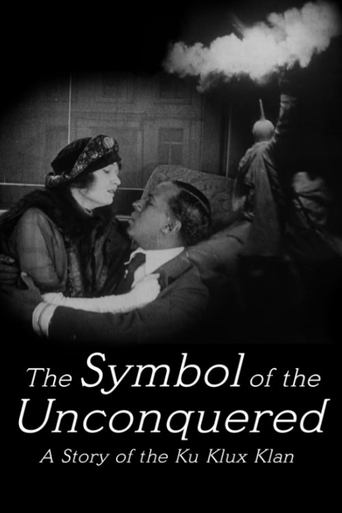
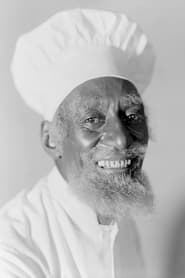
African American actor: over five decades, from the silent film era through the Golden Age of Hollywood. Born in Charleston, South Carolina, in 1876, he broke racial barriers by becoming one of the first Black actors to establish a successful career in mainstream American cinema. After graduating from Howard University, he began his career on the stage, joining the prestigious Pekin Theatre in Chicago before transitioning to films. Whipper made his film debut in Oscar Micheaux's silent film 'The Symbol of the Unconquered' in 1920, which addressed issues of racial prejudice in America. Throughout his career, he appeared in more than 50 films, often playing dignified character roles that defied the stereotypical portrayals common at the time. He was a founding member of the Negro Actors Guild of America and worked tirelessly to improve opportunities for Black performers in Hollywood. Despite the limitations imposed by the era's racial discrimination, Whipper maintained a steady career into his 80s, appearing in films and television shows until the early 1960s. His legacy as a trailblazer for African American actors in Hollywood remains significant to this day.
The Craft
On Screen
Leigh Whipper was known for his dignified, naturalistic acting style that brought depth and humanity to his characters. He avoided the exaggerated stereotypes common in early Hollywood portrayals of African Americans, instead crafting nuanced performances that emphasized the inherent dignity of his characters. His stage background gave him a commanding presence and excellent diction, which served him well in the transition to sound films. Whipper had a particular talent for conveying complex emotions through subtle facial expressions and body language, making his performances memorable even in supporting roles.
Milestones
- Film debut in Oscar Micheaux's 'The Symbol of the Unconquered' (1920)
- Founding member of the Negro Actors Guild of America (1936)
- Memorable role as the 'Crooked Man' in 'Of Mice and Men' (1939)
- Appeared in over 50 films throughout his career
- Broke racial barriers as one of the first successful Black actors in Hollywood
- Transitioned successfully from silent films to talkies
- Continued acting into his 80s, appearing in television in the 1960s
Best Known For
Iconic Roles
Must-See Films
Accolades
Won
- NAACP Special Recognition Award for Lifetime Achievement (posthumously)
Special Recognition
- Inducted into the Black Filmmakers Hall of Fame (1975)
- Honored by the Negro Actors Guild for his contributions
- Recognized by Howard University as a alumnus
Working Relationships
Worked Often With
Studios
Why They Matter
Impact on Culture
Leigh Whipper's cultural impact extends far beyond his film performances. As one of the first African American actors to achieve sustained success in Hollywood, he helped pave the way for future generations of Black performers. His refusal to accept stereotypical roles and his insistence on portraying African Americans with dignity and humanity challenged the prevailing racist attitudes in early American cinema. Through his work with the Negro Actors Guild of America, he fought for better working conditions and more authentic representation for Black actors in the entertainment industry. His career demonstrated that African American actors could succeed in mainstream Hollywood without compromising their dignity or perpetuating harmful stereotypes.
Lasting Legacy
Leigh Whipper's legacy as a pioneer in American cinema continues to be recognized and celebrated by film historians and civil rights advocates. He broke significant racial barriers in Hollywood during a time when opportunities for African American actors were extremely limited. His commitment to portraying African Americans with dignity and authenticity helped establish new standards for Black representation in American film. The Negro Actors Guild, which he helped found, continued his work of advocating for African American performers long after his death. His performances in films like 'Of Mice and Men' and 'The Ox-Bow Incident' remain powerful examples of his ability to bring depth and humanity to every role he undertook.
Who They Inspired
Leigh Whipper influenced generations of African American actors by demonstrating that it was possible to maintain one's dignity while working in Hollywood. His success in portraying complex, three-dimensional characters helped challenge the industry's reliance on racial stereotypes. Many prominent Black actors, including Sidney Poitier and Harry Belafonte, have acknowledged the debt owed to pioneers like Whipper who fought for better representation and opportunities. His work with civil rights organizations and his advocacy within the entertainment industry helped create the foundation for the civil rights movement that would transform Hollywood in the decades that followed.
Off Screen
Leigh Whipper was deeply committed to civil rights and improving opportunities for African Americans in the entertainment industry. He was married twice, first to actress Drucilla Strain, and later to Ada Brown. He was known for his intellectual pursuits and was an avid reader who maintained an extensive library. Whipper was also a talented writer and contributed articles to various publications about the experiences of Black actors in Hollywood. Despite facing significant racial discrimination throughout his career, he remained optimistic about the potential for progress in American society and worked tirelessly to create opportunities for future generations of Black performers.
Education
Howard University (graduated 1895), studied drama and performed with university theatrical groups
Family
- Drucilla Strain (1913-1930)
- Ada Brown (1931-1975)
Did You Know?
- Was one of the first African American actors to graduate from Howard University
- His father was a prominent African American Methodist minister
- Began his career with the Pekin Theatre in Chicago, one of the first Black-owned theaters
- Was a talented singer and dancer in addition to his acting skills
- Appeared in both silent films and successfully transitioned to talkies
- Was an active member of the NAACP throughout his life
- Lived to be 98 years old, maintaining his faculties until near the end of his life
- Was a close friend of Black filmmaker Oscar Micheaux
- Spoke multiple languages, which helped him secure international roles
- Never received an Academy Award nomination despite his many memorable performances
In Their Own Words
I would rather play a small part with dignity than a large part that demeans my people.
The stage and screen are not just places of entertainment, but battlegrounds for human dignity.
Every role I play is a statement about who we are as a people.
Success without integrity is failure in disguise.
We must create our own opportunities when none are given to us.
Frequently Asked Questions
Who was Leigh Whipper?
African American with credits in this catalog. He had a career spanning over five decades, appearing in more than 50 films and becoming one of the first successful Black actors in mainstream American cinema.
What films is Leigh Whipper best known for?
Titles linked here include The Symbol of the Unconquered (1920), Of Mice and Men (1939).
When was Leigh Whipper born and when did he die?
Born October 29, 1876; died July 26, 1975.
What awards did Leigh Whipper win?
While Whipper did not receive major film awards during his lifetime due to the racial barriers of his era, he was posthumously honored with an NAACP Special Recognition Award for Lifetime Achievement and inducted into the Black Filmmakers Hall of Fame in 1975.
What was Leigh Whipper's acting style?
Leigh Whipper was known for his dignified, naturalistic acting style that avoided stereotypes and brought humanity to his characters. His stage background gave him excellent diction and a commanding presence, allowing him to convey complex emotions through subtle performances.
How did Leigh Whipper contribute to civil rights?
Founding member of the Negro with credits in this catalog. He refused stereotypical roles and advocated for authentic representation of African Americans in film, using his platform to fight for racial equality in the entertainment industry.