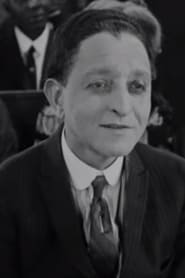
Lawrence Chenault
Actor
Born: 1897 in Virginia, United States Died: May 28, 1942 Active: 1920-1927
Films
5 films
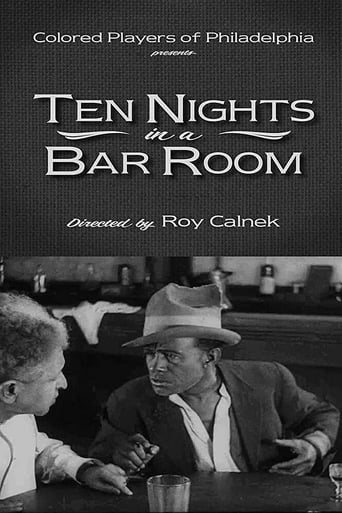
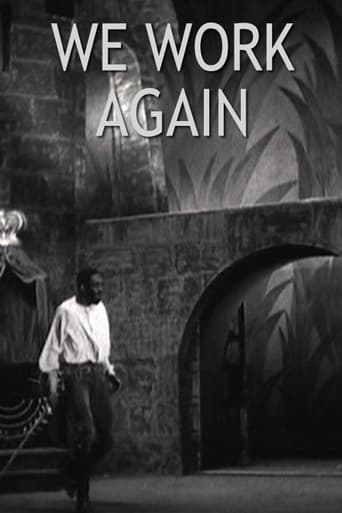
About Lawrence Chenault
African American actor who became prominent during the silent film era, particularly in race films produced by and for Black audiences. Born in Virginia in 1897, Chenault emerged as one of the key performers in the independent Black cinema movement that sought to counteract the racist portrayals prevalent in mainstream Hollywood films. He worked extensively with filmmaker Oscar Micheaux, appearing in several of the most significant race films of the 1920s that addressed important social issues affecting the African American community. Chenault's career, though brief (1920-1927), coincided with a crucial period in the development of Black cinema, when African American filmmakers were first attempting to create their own cinematic language and tell their own stories. His performances helped establish more nuanced and dignified representations of Black characters on screen, moving beyond the caricatures that dominated mainstream cinema. Chenault's work in films like 'Body and Soul' (1925), which marked Paul Robeson's film debut, and 'The Scar of Shame' (1927), now recognized as a masterpiece of early Black cinema, demonstrated his range as an actor and his commitment to advancing Black representation in film.
The Craft
On Screen
Lawrence Chenault's acting style embodied the dramatic expressiveness required for silent film performance while bringing dignity and nuance to his portrayals of African American characters. Unlike the exaggerated caricatures often seen in mainstream Hollywood films of the era, Chenault's performances were characterized by a naturalistic approach that conveyed complex emotions through subtle facial expressions and body language. His work in dramatic roles demonstrated his ability to portray characters with depth and humanity, helping to establish more authentic representations of Black life on screen. Chenault's style was particularly effective in conveying the social themes and moral messages central to many race films, where his performances often served to challenge racial stereotypes and present African Americans as fully realized human beings rather than comic relief or villains.
Milestones
- Frequent collaborator with Black filmmaker Oscar Micheaux
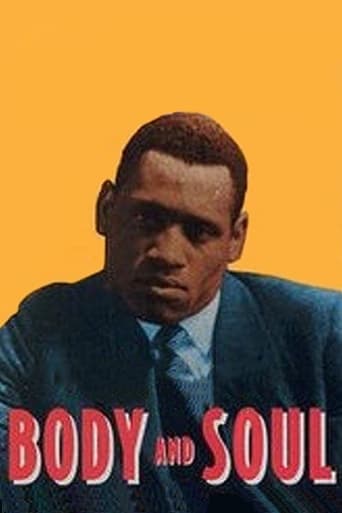
- Appeared in Paul Robeson's film debut 'Body and Soul' (1925)
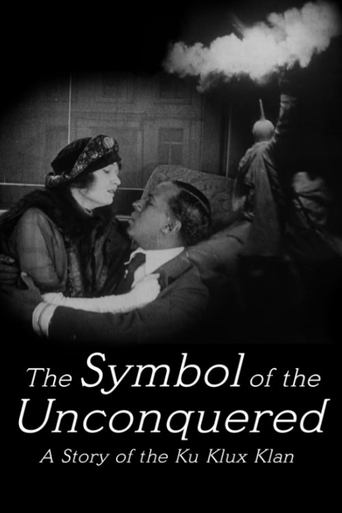
- Starred in 'The Symbol of the Unconquered' (1920), an early film addressing racial violence
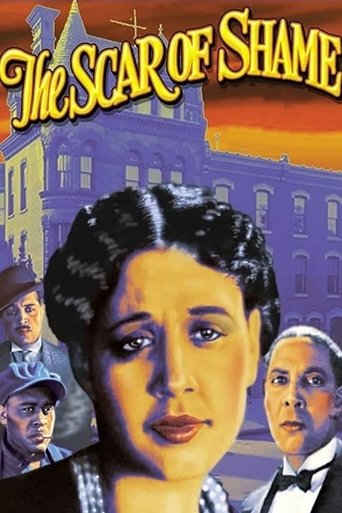
- Featured in 'The Scar of Shame' (1927), now preserved in the National Film Registry
- One of the prominent African American actors in silent race films
Best Known For
Iconic Roles
Must-See Films
Accolades
Special Recognition
- Posthumous recognition as a figure in African American cinema
- Inclusion in film history studies of early Black cinema
- Films preserved in National Film Registry
Working Relationships
Worked Often With
Studios
Why They Matter
Impact on Culture
Lawrence Chenault's cultural impact lies in his contribution to the establishment of Black cinema as an alternative to mainstream Hollywood's racist portrayals. As one of the early actors in race films, Chenault helped create a visual vocabulary for African American representation that countered the demeaning stereotypes prevalent in mainstream cinema. His work with Oscar Micheaux and other Black filmmakers was part of a broader cultural movement to assert African American dignity and humanity during the Jim Crow era. The films Chenault appeared in often addressed pressing social issues like racial violence, economic inequality, and moral choices within the Black community, contributing to important cultural conversations about race and identity in 1920s America. His performances demonstrated that African American actors could convey complex emotions and portray sophisticated characters, challenging the industry's limited view of Black performers' capabilities.
Lasting Legacy
Lawrence Chenault's legacy as a figure in African American cinema has grown in recognition as film historians have increasingly documented the importance of race films in American cinema history. Though many of his films have been lost over time, the surviving works, particularly 'The Scar of Shame' (1927) which was selected for preservation in the National Film Registry in 2021, continue to be studied as important examples of early Black filmmaking. Chenault's career represents the brief but crucial period when African American filmmakers were creating their own cinematic language and telling their own stories outside the constraints of Hollywood. His contributions, along with those of other early Black actors and filmmakers, laid the groundwork for future generations of African American filmmakers who would continue the struggle for authentic representation and creative control in cinema.
Who They Inspired
While direct documentation of Lawrence Chenault's influence on subsequent performers is limited due to the historical record, his work as part of the first generation of African American film actors undoubtedly influenced the development of Black cinema. By demonstrating that African American actors could handle complex dramatic roles and convey sophisticated emotions on screen, Chenault helped expand the possibilities for Black performers in cinema. His collaborations with Oscar Micheaux helped establish a tradition of independent Black filmmaking that would inspire future generations of African American creators. The dignified portrayals he brought to the screen provided early models of representation that would influence how African American characters were depicted in later films.
Off Screen
Limited historical records exist about Lawrence Chenault's personal life, which was common for many African American actors of the silent era who worked outside the mainstream Hollywood system. What is known is that he was born in Virginia in 1897 and eventually moved north, as many African Americans did during the Great Migration, likely to pursue opportunities in the emerging Black film industry centered in and around New York and Chicago. His death in 1942 at the age of 45 marked the end of a life that had spanned a transformative period in African American history and cinema. The scarcity of personal details about Chenault reflects the broader challenge of documenting the lives of Black performers from this era, whose contributions were often overlooked by contemporary media and historians.
Education
Educational background not documented in available historical records
Family
- Information not available in historical records
Did You Know?
- Lawrence Chenault was one of the few African American actors to maintain a steady career in silent films
- He worked with Oscar Micheaux, the most prolific and influential Black filmmaker of the silent era
- Appeared in 'Body and Soul' (1925), which marked the film debut of actor and activist Paul Robeson
- 'The Scar of Shame' (1927), one of his films, was selected for preservation in the National Film Registry in 2021
- His active years covered the peak years of race film production (1920-1927)
- Many of his films have been lost, making the surviving ones particularly valuable to film historians
- Race films like those Chenault appeared in were typically shown in segregated theaters for Black audiences
- His performances often addressed serious social issues rather than relying on comedy or musical entertainment
- The transition to sound films likely contributed to the end of his screen career
- He represents an important but often overlooked chapter in American cinema history
In Their Own Words
No documented quotes from Lawrence Chenault are available in historical records, which was common for silent film actors whose performances were primarily visual rather than verbal
Frequently Asked Questions
Who was Lawrence Chenault?
African American with credits in this catalog. He was a frequent collaborator with Black filmmaker Oscar Micheaux and appeared in several important early Black cinema productions that sought to provide authentic representations of African American life.
What films is Lawrence Chenault best known for?
Titles linked here include Body and Soul (1925), The Symbol of the Unconquered (1920).
When was Lawrence Chenault born and when did he die?
Born 1897; died May 28, 1942.
What awards did Lawrence Chenault win?
During his lifetime, Lawrence Chenault did not receive formal awards or recognition from mainstream institutions, which was common for African American actors working in race films. His recognition has come posthumously from film historians and preservationists who have acknowledged his importance as a figure in Black cinema history.
What was Lawrence Chenault's acting style?
Lawrence Chenault's acting style embodied the dramatic expressiveness required for silent film while bringing dignity and nuance to his portrayals of African American characters. Unlike the caricatures often seen in mainstream films, his performances were characterized by naturalism and emotional depth, helping to establish more authentic representations of Black life on screen.
How did Lawrence Chenault impact African American cinema?
Lawrence Chenault contributed to the establishment of Black cinema as an alternative to mainstream Hollywood's racist portrayals. His work in race films helped create a visual vocabulary for African American representation that countered demeaning stereotypes, and his dignified performances demonstrated that Black actors could handle complex dramatic roles, expanding possibilities for future generations.
Why are Lawrence Chenault's films historically significant?
The films Lawrence Chenault appeared in are historically significant because they represent some of the earliest attempts by African Americans to control their own cinematic narratives. These race films addressed social issues affecting the Black community and provided authentic representations that were absent from mainstream Hollywood, making them invaluable documents of African American life and perspectives in the 1920s.