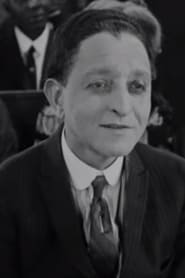

Ten Nights in a Barroom
"A man pursues the vice lord who killed his daughter."
Keys: Space play/pause · ←/→ 10s · F fullscreen · M mute · </> speed
About this film
A man pursues the vice lord who killed his daughter, but his journey leads to self-discovery and the desire for a better life.
Cast & crew
More films like this
More Drama films
View all →







More about this film
About the production
Release dateOctober 1926
ProductionColored Players Film Corporation
Filmed inPhiladelphia, Pennsylvania
was produced by the Colored Players Film Corporation, one of the prominent independent companies creating 'race films' for African American audiences during the silent era. The production was notable for featuring Charles Gilpin, a highly respected stage actor who had gained fame for his role in Eugene O'Neill's 'The Emperor Jones.' The film was part of a broader movement in the 1920s to create cinema that portrayed African American life with dignity and addressed social issues relevant to Black communities, particularly the temperance movement which had strong support in many African American churches and organizations.
Themes
Temperance and ProhibitionRedemption and Moral ReformFather-Daughter RelationshipsVengeance vs. JusticeCommunity Responsibility
Themes & topics
temperancealcoholismrevengeredemptionfatherhoodmoral reformsaloonprohibitionfamily tragedyspiritual awakening
Historical background
Exhibitors around 1926 slotted Ten Nights in a Barroom into mixed bills where shorts, newsreels, and features shared the same program.
Why this film matters
Archivists revisit Ten Nights in a Barroom (1926) for performance styles and craft choices later mainstream releases refined.
Making of
The production of 'Ten Nights in a Barroom' represented a significant effort by the Colored Players Film Corporation to create quality cinema for African American audiences. The company invested in securing the talents of Charles Gilpin, whose stage prestige brought credibility to the production. Filming took place in Philadelphia, where the company was based, utilizing local theaters and locations to recreate the barroom settings central to the story. The production faced the typical challenges of independent race film makers, including limited budgets, distribution difficulties, and the need to compete with Hollywood productions. Despite these constraints, the filmmakers aimed to create a serious moral drama that would resonate with their target audience. The adaptation process involved condensing Arthur's lengthy narrative into a format suitable for a feature film while maintaining the core temperance message and emotional impact of the original story.
What critics said
Trade papers near 1926 listed Ten Nights in a Barroom as program material rather than headline art cinema.
Did you know?
- This was one of several film adaptations of Timothy Shay Arthur's 1854 temperance novel 'Ten Nights in a Barroom and What I Saw There,' which was especially popular American novels of the 19th century
- Charles Gilpin, the film's star, was considered one of the greatest African American actors of his time and had previously been the first Black actor to star on Broadway in a leading role
- The Colored Players Film Corporation was founded in Philadelphia and was especially ambitious race film production companies of the 1920s
- Director Roy Calnek was one of the few white directors who worked extensively in race film production during this period
- The film was part of a larger trend of race films that addressed social issues like temperance, which was particularly relevant to African American communities during Prohibition
- Unlike many race films of the era that relied on stereotypes, this adaptation maintained the serious moral tone of Arthur's original work
- The film's production coincided with the height of Prohibition (1920-1933), making its temperance theme particularly relevant to contemporary audiences
- Myra Burwell, who played the daughter, was one of the few African American actresses of the silent era to achieve recognition beyond race films
Visual style
While specific details about the cinematography are limited, the film would have employed typical silent era techniques including intertitles for dialogue and narrative exposition. The barroom scenes likely utilized chiaroscuro lighting to create atmosphere and contrast the debauchery of the saloons with more domestic, well-lit scenes representing moral redemption. The cinematography would have been functional rather than experimental, focusing on clearly conveying the story and emotional states of the characters. As a production of the Colored Players Film Corporation, it likely had more modest technical resources than major Hollywood productions but would have strived for professional quality to compete with other films in the race film market.
Music
As a silent film, 'Ten Nights in a Barroom' would have been accompanied by live musical performance during theatrical screenings. The score would likely have included popular songs of the era, classical pieces, and possibly spirituals or hymns appropriate to the film's moral themes. The musical accompaniment would have been crucial in establishing mood and enhancing emotional impact, particularly during scenes of tragedy and redemption. Larger urban theaters with significant African American patronage might have employed jazz musicians who could incorporate contemporary Black musical styles into the accompaniment.
Famous quotes
The demon drink destroys not only the man but his family and his future
Vengeance is a poison that destroys the soul that seeks it
In seeking to destroy others, we often destroy ourselves
The path to redemption begins with acknowledging our own faults
Memorable scenes
- The protagonist's transformation in the church after witnessing the cycle of destruction in the bars
- The confrontation scene between the father and the saloon owner where justice is sought
- The daughter's tragic death scene that sets the revenge plot in motion
- The final redemption scene where the protagonist chooses forgiveness over vengeance
What audiences thought
The film appears to have been well-received by African American audiences, particularly in urban centers with significant Black populations like Philadelphia, Chicago, and New York. Church groups and temperance organizations likely promoted the film due to its moral message. The presence of Charles Gilpin, a respected stage actor, would have attracted theater-goers who were familiar with his reputation. The temperance theme resonated with many African American viewers who had witnessed the destructive effects of alcohol in their communities. The film's distribution through the race film circuit ensured it reached segregated theaters that served Black audiences throughout the country, where it likely provided both entertainment and moral instruction.
Film connections
Influenced by
- Ten Nights in a Barroom and What I Saw There (1854 novel by Timothy Shay Arthur)
- Stage adaptations of Arthur's novel
- Temperance movement literature and propaganda
- African American church moral teachings
This film influenced
- Subsequent race films dealing with social issues
- Later adaptations of temperance literature
- African American films addressing community problems
Film restoration
The film is believed to be lost or partially lost, which is common for many race films of the silent era. The Colored Players Film Corporation's productions were particularly vulnerable to loss due to the company's financial difficulties and the lack of preservation efforts for independent Black cinema. No complete prints are known to exist in major film archives, though fragments or still images may survive in private collections or specialized archives of African American cinema.
Where to watch
- Currently unavailable for viewing due to lost status
- Film archives and specialized African American film collections may have fragments
- Academic institutions with race film collections might have related materials