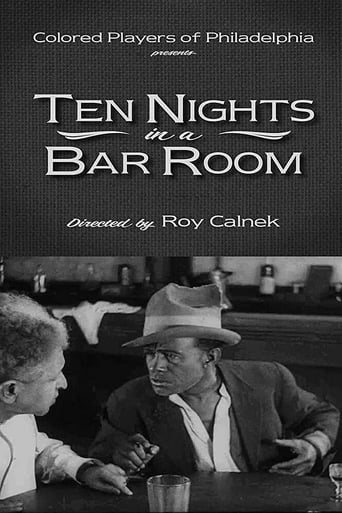
Films
1 film
About W.R. Johnson
American actor of the silent era, with his only known film credit being the 1926 production 'Ten Nights in a Barroom.' Like many actors of the period, he was likely a character actor or extra who appeared in the film as part of the supporting cast. The film itself was an adaptation of the famous temperance novel by Timothy Shay Arthur, which had been filmed multiple times throughout cinema history. Johnson's career appears to have been extremely brief, spanning only the year 1926 based on available film records. Little is known about his background or what became of him after this single film appearance, which was not uncommon for minor players in the silent era who often left the industry or transitioned to other professions as Hollywood evolved.
The Craft
Milestones
- Appeared in 'Ten Nights in a Barroom' (1926)
Best Known For
Must-See Films
Why They Matter
Impact on Culture
As an actor with only one known film credit, W.R. Johnson's cultural impact was minimal. He represents the thousands of anonymous performers who contributed to early cinema but whose names have been largely lost to history. His appearance in 'Ten Nights in a Barroom' places him within the context of the temperance movement's influence on American popular culture during the 1920s.
Lasting Legacy
W.R. Johnson's legacy is primarily that of a representative figure from the vast pool of silent era actors whose careers were brief and largely undocumented. He serves as a reminder of the countless individuals who participated in early cinema but whose contributions have been overshadowed by the more famous stars of the period. His single film credit places him within the historical record of American cinema, however minor his role may have been.
Who They Inspired
Given his extremely limited filmography, there is no evidence of W.R. Johnson having influenced other actors or filmmakers. Like many bit players of the silent era, his influence would have been limited to his immediate performance in his single known film.
Off Screen
Very little is known about W.R. Johnson's personal life, as he was a minor actor from the silent era with only one documented film appearance. Like many supporting players of this period, detailed biographical information was not preserved in historical records.
Did You Know?
- W.R. Johnson's only known film appearance was in the 1926 silent adaptation of 'Ten Nights in a Barroom'
- The film was based on Timothy Shay Arthur's 1854 temperance novel, which was extremely popular in its day
- Multiple film adaptations of 'Ten Nights in a Barroom' were made between 1901 and 1931
- Johnson represents the typical fate of many silent era supporting actors whose careers lasted only a year or less
- The 1926 version of 'Ten Nights in a Barroom' was one of the last silent adaptations of this story before the transition to sound
Frequently Asked Questions
Who was W.R. Johnson?
Screen credits include only one known film, 'Ten Nights in a Barroom' in 1926. He was likely a supporting player or extra whose career was extremely brief.
What films is W.R. Johnson best known for?
Titles linked here include Ten Nights in a Barroom (1926).
When was W.R. Johnson born and when did he die?
The birth and death dates of W.R. Johnson are unknown, as is common for minor actors from the silent era whose biographical information was not preserved in historical records.
What awards did W.R. Johnson win?
There are no records of W.R. Johnson receiving any awards or nominations for his work in film, which is typical for supporting actors with such limited filmography.
What was W.R. Johnson's acting style?
Due to the lack of documentation about his performances and career, W.R. Johnson's specific acting style is unknown. As a silent era actor, he would have used the exaggerated gestures and facial expressions typical of the period.