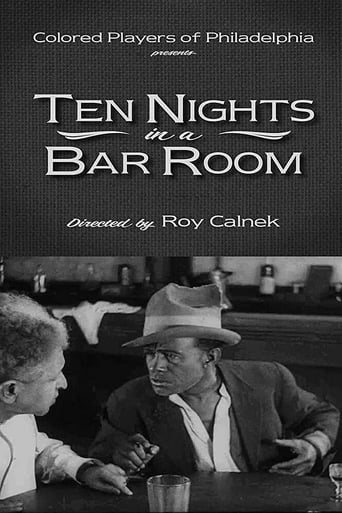

Films
1 film
About William A. Clayton Jr.
William A. Clayton Jr. worked on one surviving credit: Ten Nights in a Barroom (1926). His known filmography consists of a single credited role in the 1926 silent drama 'Ten Nights in a Barroom,' which was an adaptation of the famous temperance play. As with many actors of the silent era, his career appears to have been brief, possibly consisting of bit parts or uncredited roles that have been lost to film history. The film 'Ten Nights in a Barroom' was one of several adaptations of the popular 1858 temperance play by William W. Pratt, which warned against the dangers of alcohol consumption. Clayton's role in this production represents his only documented screen appearance, suggesting he may have been a character actor or someone who briefly pursued acting before moving to other endeavors. Like many silent era performers whose careers spanned only a few years, detailed records of his life and career are scarce.
The Craft
Milestones
- Appeared in 'Ten Nights in a Barroom' (1926)
Best Known For
Must-See Films
Why They Matter
Impact on Culture
As a minor actor with only one documented film credit, William A. Clayton Jr.'s cultural impact was minimal. However, his participation in 'Ten Nights in a Barroom' places him within the context of the temperance movement's influence on American cinema during the 1920s, a period when moral and social reform themes were prevalent in film productions.
Lasting Legacy
William A. Clayton Jr.'s legacy exists primarily through his documented appearance in 'Ten Nights in a Barroom' (1926), which serves as a historical artifact of both silent era cinema and the temperance movement's cultural influence. Like many actors of his generation with brief careers, he represents the thousands of performers who contributed to early cinema but whose stories have largely been lost to time.
Who They Inspired
Given his extremely limited filmography, there is no documented evidence of William A. Clayton Jr. Influencing other actors or filmmakers. His career appears to have been too brief to establish any significant artistic influence within the film industry.
Off Screen
Very little is known about the personal life of William A. Clayton Jr., as was common for minor actors in the silent era who did not achieve lasting fame. His brief film career suggests he may have pursued other professions outside of the entertainment industry.
Did You Know?
- His only known film credit is 'Ten Nights in a Barroom' (1926)
- The film he appeared in was an adaptation of a famous 1858 temperance play
- His entire documented film active years covered just one year
- Like many silent era actors, most personal details about his life remain unknown
- He was part of the last generation of silent film actors before the transition to sound
- The film he appeared in was one of several adaptations of the same source material
Frequently Asked Questions
Who was William A. Clayton Jr.?
American with credits in this catalog.' His documented career was extremely brief, consisting of only this one known film appearance.
What films is William A. Clayton Jr. Best known for?
Titles linked here include Ten Nights in a Barroom (1926).
When was William A. Clayton Jr. Born and when did he die?
Unfortunately, the birth and death dates of William A. Clayton Jr. Are not documented in available historical records, which is common for minor actors from the silent era who had very brief careers.
What awards did William A. Clayton Jr. Win?
There are no documented awards or nominations for William A. Clayton Jr., which is typical for actors with such limited filmography during the silent era when major award ceremonies were just beginning to be established.
What was William A. Clayton Jr.'s acting style?
Due to the scarcity of information and only one known film appearance, William A. Clayton Jr.'s specific acting style cannot be documented. Like most silent era actors, he would have used exaggerated gestures and facial expressions to convey emotions without dialogue.