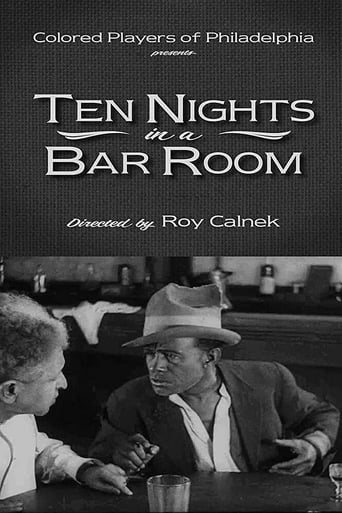
Films
1 film
About Roy Calnek
American film director active during the silent era, known primarily for his single directorial effort 'Ten Nights in a Barroom' in 1926. Very little is documented about his life and career, suggesting he may have been a brief contributor to early cinema rather than an established industry figure. His film was an adaptation of the popular temperance novel by Timothy Shay Arthur, which had been adapted multiple times for stage and screen. The fact that this appears to be his only known directorial credit indicates that his career in filmmaking was likely very short-lived. Like many directors from this period, detailed records of his life and work have been lost to time, making him one of the more enigmatic figures from silent cinema history.
The Craft
Behind the Camera
Limited information available, but worked within the moral melodrama genre popular in the 1920s
Milestones
- Directed 'Ten Nights in a Barroom' (1926)
Best Known For
Must-See Films
Why They Matter
Impact on Culture
Roy Calnek's impact on cinema appears to have been minimal, with only one known directorial credit to his name. His work on 'Ten Nights in a Barroom' represents one of many adaptations of the popular temperance tale that circulated in American culture during the early 20th century. The film itself was part of a broader trend of moralistic melodramas that reflected the social concerns of the Prohibition era.
Lasting Legacy
Roy Calnek represents the many forgotten figures of early Hollywood who contributed briefly to cinema's development but left little trace in historical records. His single known work serves as a reminder of the vast number of filmmakers who participated in cinema's formative years but whose stories have been lost to time. His legacy exists primarily through the preservation of his one known film, which stands as a document of both his directorial work and the cultural attitudes of the 1920s.
Who They Inspired
Due to the limited scope of his known work, there is no documented evidence of Roy Calnek influencing other filmmakers or having a lasting impact on cinematic techniques or styles. His brief appearance in film history appears to have been isolated to his single directorial effort.
Off Screen
No documented personal information available about Roy Calnek in film history records.
Did You Know?
- Roy Calnek's only known directorial credit is 'Ten Nights in a Barroom' (1926)
- The film he directed was an adaptation of Timothy Shay Arthur's 1854 temperance novel
- Multiple versions of 'Ten Nights in a Barroom' were made between 1901 and 1931
- His entire known film active years covered only one year
- Very little biographical information about him survives in film history archives
- He represents one of many obscure directors from the silent era whose work has been largely forgotten
- His film was part of the popular moral melodrama genre of the 1920s
Frequently Asked Questions
Who was Roy Calnek?
American on YTB.my.' Very little is known about his life or career beyond this single directorial credit.
What films did Roy Calnek direct?
Titles linked here include Ten Nights in a Barroom (1926).
When was Roy Calnek active in filmmaking?
Roy Calnek's known film career was limited to 1926, making him one of the many brief contributors to silent era cinema.
What is 'Ten Nights in a Barroom' about?
The film is an adaptation of a popular temperance novel that tells the story of a respectable man whose life is destroyed by alcoholism, reflecting the moral concerns of the Prohibition era.
Why is so little known about Roy Calnek?
Like many minor figures from early cinema, detailed records of Roy Calnek's life and career were not preserved, and his brief film career left little documentation for film historians to research.