Films
2 films
About Harry Henderson
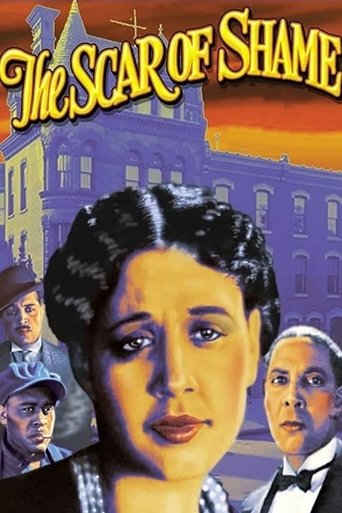
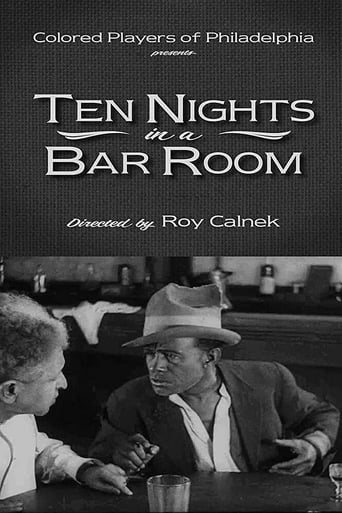
African American actor who worked briefly but significantly during the silent film era of the 1920s. Harry appears in two notable films that have since become important artifacts of early African American cinema history. His work came during the period of 'race films' - movies created by Black filmmakers for Black audiences when mainstream Hollywood excluded African Americans from meaningful roles. Henderson's most notable appearance was in 'The Scar of Shame' (1927), a film produced by the Colored Players Film Corporation of Philadelphia. He also appeared in 'Ten Nights in a Barroom' (1926), another significant race film of the era. Though his film career was brief, spanning only 1926-1927, his contributions to early Black cinema have been preserved through the survival and restoration of these important films. Henderson represents the many talented African American performers who worked outside the Hollywood system to create authentic representations of Black life on screen.
The Craft
Milestones
- Appeared in 'The Scar of Shame' (1927), now considered a masterpiece of early African American cinema
- Performed in 'Ten Nights in a Barroom' (1926), an important early race film
- Contributed to the independent Black film movement of the 1920s
Best Known For
Must-See Films
Working Relationships
Studios
Why They Matter
Impact on Culture
Harry Henderson's work, though brief, contributes to the important legacy of early African American cinema and the race film movement. His appearance in 'The Scar of Shame' places him within a crucial moment in film history when Black filmmakers were creating alternatives to the demeaning stereotypes prevalent in mainstream Hollywood productions. The film itself has been recognized by the Library of Congress and film scholars as an important cultural artifact that provides insight into African American life and concerns in the 1920s. Henderson and his fellow actors in these productions helped establish a tradition of independent Black filmmaking that would influence generations of African American filmmakers.
Lasting Legacy
Harry Henderson's legacy is preserved through the survival and restoration of 'The Scar of Shame,' which has been selected for preservation in the United States National Film Registry by the Library of Congress for being 'culturally, historically, or aesthetically significant.' His performances serve as important examples of early African American screen acting outside the Hollywood system. While individual details about his life may be lost to history, his contribution to the race film movement represents the broader struggle for authentic Black representation in American cinema during the early 20th century.
Who They Inspired
As an actor in the race film movement, Henderson was part of an influential group of African American performers who demonstrated that Black actors could portray complex, human characters rather than the caricatures common in mainstream films of the era. The films he appeared in, particularly 'The Scar of Shame,' have been studied by film scholars and used to educate new generations about early Black cinema and the importance of independent filmmaking as a vehicle for authentic cultural expression.
Off Screen
Very little is documented about Harry Henderson's personal life, which is common for many African American actors from the silent era who worked in independent race film productions. These actors were often not covered by mainstream press and their personal histories were not as thoroughly preserved as their white counterparts in Hollywood.
Did You Know?
- 'The Scar of Shame' (1927) is one of the few surviving examples of early African American independent cinema from the silent era
- The film was produced by the Colored Players Film Corporation, one of several Black-owned film companies of the 1920s
- Race films like those Henderson appeared in were typically shown in segregated theaters serving African American audiences
- Very few personal details about actors from the race film era were preserved in contemporary records
- 'The Scar of Shame' was rediscovered and restored decades after its initial release
- The film explores themes of class, respectability, and racial uplift within the African American community
- Many race films were lost due to the lack of preservation efforts for independent Black cinema
- Henderson's brief active years covered only two known films, making him representative of many actors whose film work was limited but significant
Frequently Asked Questions
Who was Harry Henderson?
Screen credits include silent films during the 1920s, most notably in 'race films' - independent productions created by and for African American audiences during the era of segregation.
What films is Harry Henderson best known for?
Titles linked here include The Scar of Shame (1927), Ten Nights in a Barroom (1926).
When was Harry Henderson born and when did he die?
Unfortunately, specific birth and death dates for Harry Henderson are not available in historical records, which is common for many African American actors from the silent era who worked in independent productions.
What was the significance of the films Harry Henderson appeared in?
The films he appeared in, particularly 'The Scar of Shame,' are considered important artifacts of early African American cinema that provided authentic representations of Black life outside the stereotypical portrayals common in mainstream Hollywood films of the era.
Why is there so little information about Harry Henderson's life?
The lack of detailed information about Henderson reflects the broader historical neglect of documenting the lives and careers of African American actors who worked in independent race film productions during the early 20th century.
What were race films and why were they important?
Race films were independent movies created by Black filmmakers for Black audiences during the segregation era, providing alternatives to the demeaning stereotypes in mainstream Hollywood and allowing for authentic stories about African American life.
Has Harry Henderson's work been preserved for future generations?
Yes, 'The Scar of Shame' has been preserved by the Library of Congress and selected for the National Film Registry, ensuring that Henderson's contribution to early African American cinema will be remembered.