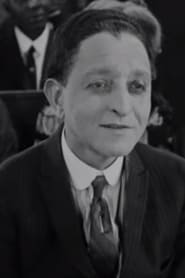
The Scar of Shame
"Musician marries to rescue a woman from abuse"
Keys: Space play/pause · ←/→ 10s · F fullscreen · M mute · </> speed
About this film
An educated, upscale young black musician marries a woman from a lower socioeconomic class to get her out of the clutches of her stepfather.
Cast & crew
More films like this
More Drama films
View all →







More about this film
About the production
Release dateNovember 27, 1927
Box officeBox office figures not documented for this independent production
ProductionThe Colored Players Film Corporation of Philadelphia
Filmed inPhiladelphia, Pennsylvania
The Scar of Shame was produced by The Colored Players Film Corporation, one of the pioneering independent African American film companies of the 1920s. The film was shot on location in Philadelphia and represents one of the few surviving examples of race films produced outside the traditional Hollywood system. Director Frank Perugini was white, but the production company was Black-owned and operated, representing an unusual collaboration for the time. The film was made with limited resources but demonstrated high production values compared to other independent films of the period.
Themes
Class divisions within the African American communitySocial mobility and aspirationThe impact of prejudice and judgmentTragedy resulting from misunderstandingUrban vs. rural cultural conflict
Themes & topics
class conflictinterracial marriagesocial prejudiceurban dramamusician protagonisttragedysocial climbingfamily conflictdomestic violenceurban migration
Historical background
Made during the silent-to-sound transition near 1927, The Scar of Shame reached audiences through theatrical programs, fairground booths, or specialized distribution channels typical of its generation. An educated, upscale young black musician marries a woman from a lower socioeconomic class to get her out of the. Historians now read such works for what they reveal about production methods, national taste, and the expanding vocabulary of screen narrative.
Why this film matters
Archivists and programmers still screen The Scar of Shame when tracing how popular entertainment evolved. Its subject—an educated, upscale young black musician marries a woman from a lower socioeconomic class to get—gives later viewers tangible evidence of what drew crowds in the silent period. Home video, restorations, and festival sidebars keep the title circulating among students of film history.
Making of
The production of The Scar of Shame represented a significant achievement for independent African American cinema in the 1920s. The Colored Players Film Corporation, founded by David Starkman in Philadelphia, was one of several Black-owned production companies that emerged during this period to create films for African American audiences who were largely ignored by mainstream Hollywood. The film was made with the cooperation of local Philadelphia businesses and community members, many of whom served as extras and provided locations. Director Frank Perugini, though white, worked closely with the Black cast and production team to create an authentic portrayal of African American life. The film's production was challenging due to limited resources, but the crew's dedication resulted in a technically sophisticated film that rivaled many Hollywood productions of the era in terms of cinematography and narrative complexity.
What critics said
Original trade coverage treated The Scar of Shame as routine program filler rather than a landmark production—typical of steady studio output. Later criticism emphasizes preservation, stylistic comparison with contemporaries, and whatever cast or crew names later gained prominence. Contemporary writing is mostly historical: assessing completeness, influence, and place in a director's or studio's catalog.
Did you know?
- The Scar of Shame is one of only a handful of surviving feature-length 'race films' from the silent era
- The film was added to the National Film Registry in 2021 for its cultural and historical significance
- It was produced by The Colored Players Film Corporation, based in Philadelphia, not the more famous Oscar Micheaux Productions
- The film's title refers to both the physical scar Alvin receives and the metaphorical scar of class prejudice within the Black community
- Unlike many race films of the era, this movie dealt with class divisions within African American society rather than racial relations with whites
- The film was considered lost for decades before being rediscovered and preserved by the Library of Congress
- Director Frank Perugini was one of the few white directors working in the race film industry during this period
- The film's budget was estimated to be around $15,000, a significant amount for an independent Black production of the time
- The movie was distributed by the independent circuit, primarily playing in segregated theaters for African American audiences
- The film's preservation was made possible through a collaboration between the Library of Congress and the George Eastman Museum
Awards & recognition
- Added to the National Film Registry by the Library of Congress (2021)
Visual style
The cinematography of The Scar of Shame, while not credited to a specific individual, demonstrates remarkable sophistication for an independent production of its era. The film employs effective use of lighting and shadow to create emotional depth and dramatic tension, particularly in interior scenes. The camera work shows influences from German Expressionist cinema, with careful attention to composition and the use of architectural elements to frame characters and emphasize social divisions. The film makes effective use of location shooting in Philadelphia, providing an authentic urban backdrop that grounds the story in a real environment. The visual storytelling is enhanced through thoughtful framing that emphasizes the social distance between characters, particularly in scenes depicting the class differences between Alvin and Louise's backgrounds.
Innovations
For an independent production with limited resources, The Scar of Shame demonstrated impressive technical achievements that rivaled many Hollywood films of the period. The film's editing techniques, including cross-cutting and parallel action, effectively build tension and develop complex narrative threads. The production made effective use of both studio sets and location filming, creating a realistic urban environment. The film's preservation and restoration by the Library of Congress revealed the high quality of the original cinematography and the durability of the film stock used. The movie also represents an early example of a Black-owned production company achieving technical excellence without the resources of major studios, paving the way for future independent Black filmmakers.
Music
As a silent film, The Scar of Shame would have been accompanied by live musical performances during its original theatrical run. Given the protagonist's profession as a pianist and composer, music would have played a particularly important role in the film's presentation. The score likely included popular songs of the era as well as classical pieces appropriate to the character's background. The film's musical elements would have been further enhanced by the inclusion of actual piano performances within the narrative, showcasing the main character's talent. Modern screenings of the restored version have been accompanied by newly commissioned scores that reflect the film's dramatic themes and historical context.
Famous quotes
The scar of shame is not on the body, but on the soul
You can't escape what you are, no matter how high you climb
Love knows no color, but society knows all colors
The greatest distance between people is not miles, but class
We build our own prisons with the walls of prejudice
Memorable scenes
- The opening scene where Alvin first encounters Louise and decides to help her escape her abusive stepfather
- The wedding sequence that highlights the cultural and class differences between the two families
- The dramatic confrontation scene where Alvin accidentally shoots Louise, representing the tragic culmination of their social divide
- The final scene showing Alvin alone with his music, having lost everything due to social prejudice
What audiences thought
The Scar of Shame was well-received by its intended African American audience when it was released in 1927. The film played in segregated theaters across the country that catered to Black audiences, who appreciated seeing themselves represented on screen in complex, non-stereotypical roles. Contemporary accounts suggest that audiences were particularly moved by the film's serious treatment of social issues and its professional production quality, which exceeded expectations for an independent production. The film's themes of class division and social aspiration resonated strongly with urban Black audiences who were experiencing similar social transformations during the Great Migration. Modern audiences and scholars have rediscovered the film through its preservation and screenings at film festivals and museums, where it continues to generate discussion about early African American cinema.
Film connections
Influenced by
- German Expressionist cinema
- Contemporary Hollywood melodramas
- Social problem films of the 1920s
- African American literature of the Harlem Renaissance
This film influenced
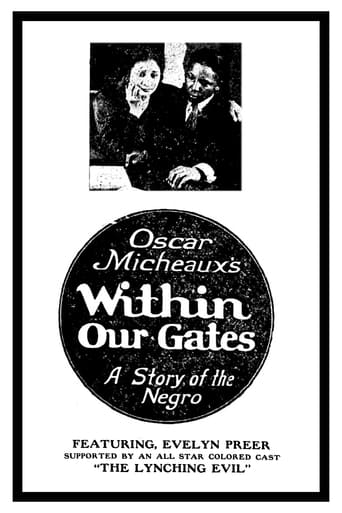
- Within Our Gates (1920)
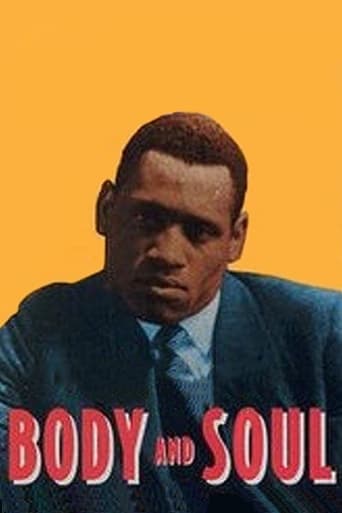
- Body and Soul (1925)
- The Exile (1931)
- Later African American independent films dealing with class issues
Film restoration
The Scar of Shame was considered a lost film for many years before being rediscovered and preserved by the Library of Congress. The surviving print was found in a collection of race films and has been fully restored. The restoration process involved cleaning and repairing the original nitrate film elements to create a preservation copy. The film is now preserved in the Library of Congress's collection and has been made available for scholarly research and public exhibition. The successful preservation of this film represents a significant achievement in saving early African American cinema from being lost to history.
Where to watch
- Library of Congress National Screening Room
- Kino Lorber's 'Pioneers of African American Cinema' DVD/Blu-ray collection
- Film archives and museums specializing in early cinema
- Academic film collections and university libraries
- Specialized streaming platforms featuring classic and restored films
- Film festival screenings and museum exhibitions