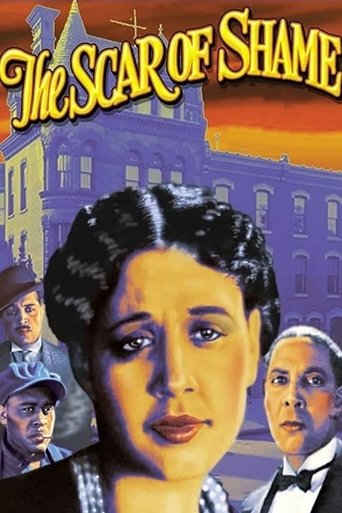
Films
1 film
About Frank Perugini
American film director active during the silent era, best known for his work on the 1927 film 'The Scar of Shame.' While details about his early life and career remain scarce, Perugini emerged as a significant figure in early African American cinema through his collaboration with the Colored Players Film Corporation of Philadelphia. His sole known directorial credit, 'The Scar of Shame,' stands as an important artifact of the 'race film' movement - films created by and for African American audiences during the segregation era. The film addressed serious social issues including class divisions within the Black community, domestic violence, and the moral consequences of one's choices. Perugini's direction demonstrated a sophisticated understanding of cinematic techniques and storytelling, elevating the production beyond typical melodramas of the period. Unfortunately, historical records provide little information about Perugini's other potential works or his life outside of this significant contribution to American film history.
The Craft
Behind the Camera
Perugini's directing style in 'The Scar of Shame' demonstrated sophisticated cinematic techniques for the era, including effective use of lighting, composition, and narrative pacing. He approached serious social themes with a nuanced perspective, avoiding the stereotypes common in mainstream Hollywood productions of the time. His visual storytelling showed an understanding of film language that elevated the production beyond typical independent films of the period.
Milestones
- Directed 'The Scar of Shame' (1927)
- Collaborated with Colored Players Film Corporation
- Contributed to early African American cinema
Best Known For
Must-See Films
Working Relationships
Worked Often With
Studios
Why They Matter
Impact on Culture
Frank Perugini's 'The Scar of Shame' represents an important milestone in African American cinema history. As a race film, it provided representation for Black audiences during an era when mainstream Hollywood largely excluded or stereotyped African Americans. The film addressed complex social issues within the Black community, including class divisions and moral choices, offering a sophisticated narrative that challenged contemporary racial attitudes. Perugini's work contributed to the development of an independent Black film industry that created authentic stories by and for African Americans.
Lasting Legacy
Despite having only one known directorial credit, Frank Perugini's legacy endures through 'The Scar of Shame,' which has been preserved by the Library of Congress and recognized for its cultural and historical significance. The film serves as a valuable document of early African American cinema and the race film movement. Perugini's contribution represents the broader legacy of independent filmmakers who worked outside the Hollywood system to create meaningful cinema for underserved audiences.
Who They Inspired
While specific details about Perugini's influence on other filmmakers are difficult to trace due to limited historical records, his work on 'The Scar of Shame' exemplifies the artistic quality that could be achieved within the race film genre. The film's sophisticated approach to social themes and its technical competence demonstrated the potential for meaningful African American cinema, potentially influencing subsequent generations of Black filmmakers who sought to tell authentic stories on screen.
Off Screen
Very little information is available about Frank Perugini's personal life, family background, or activities outside of his work on 'The Scar of Shame.' Historical records from this period, particularly for independent filmmakers working on race films, are often incomplete, making it difficult to reconstruct comprehensive biographical details.
Did You Know?
- 'The Scar of Shame' is one of the few surviving examples of early race films
- The film was produced by the Colored Players Film Corporation of Philadelphia
- The movie was added to the National Film Registry in 2021 for its cultural significance
- Perugini's only known directing credit spans a single year (1927)
- The film addresses class divisions within the African American community
- Unlike many race films of the era, 'The Scar of Shame' was not a religious or comedy film but a serious social drama
- The film has been preserved by the Library of Congress
- Perugini worked with an all-Black cast, which was rare for the time period
Frequently Asked Questions
Who was Frank Perugini?
American on YTB.my.' He worked with the Colored Players Film Corporation, an important early African American production company.
What films is Frank Perugini best known for?
Titles linked here include The Scar of Shame (1927).
When was Frank Perugini born and when did he die?
Unfortunately, specific birth and death dates for Frank Perugini are not available in historical records, which is common for many independent filmmakers from the silent era, particularly those who worked outside the Hollywood system.
What awards did Frank Perugini win?
There are no records of Frank Perugini receiving formal awards during his lifetime. However, his film 'The Scar of Shame' was recognized decades later when it was added to the National Film Registry in 2021 for its cultural and historical significance.
What was Frank Perugini's directing style?
Perugini's directing style in 'The Scar of Shame' demonstrated sophisticated cinematic techniques for the era, including effective use of lighting and composition. He approached serious social themes with nuance, avoiding stereotypes common in mainstream films of the period, and showed an understanding of visual storytelling that elevated the production.
Why is 'The Scar of Shame' historically significant?
'The Scar of Shame' is historically significant as an example of race films - movies created by and for African American audiences during segregation. It addressed complex social issues within the Black community and represents an important milestone in the development of independent African American cinema.