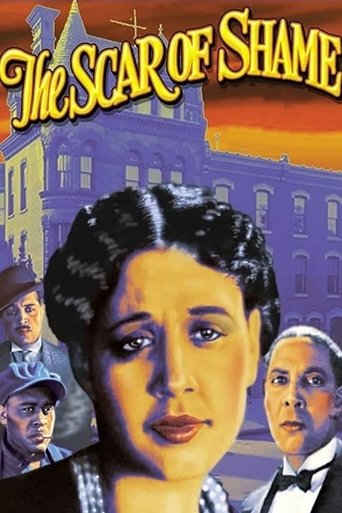
Films
1 film
About Lucia Lynn Moses
African American actress who emerged during the silent film era, gaining recognition for her role in the 1927 race film 'The Scar of Shame.' She was part of a generation of Black performers who worked to create authentic representations of African American life on screen at a time when Hollywood largely excluded or stereotyped Black actors. Her appearance in 'The Scar of Shame' represented a significant opportunity to work with the Colored Players Film Corporation, one of the important independent Black film companies of the 1920s. The film itself was for its time, addressing complex social issues within the Black community and avoiding the demeaning stereotypes common in mainstream cinema. Moses's career, though brief, contributed to the broader movement of African American artists creating their own cinematic narratives during the early days of film. Like many performers of her era, her film career was cut short by the transition to sound and the subsequent decline of independent Black film production. Her work of the history of African American cinema and the broader struggle for representation in early Hollywood.
The Craft
Milestones
- Appeared in 'The Scar of Shame' (1927),
- Worked with the Colored Players Film Corporation, an important independent Black film company
- Participated in the race film movement that sought to create authentic Black cinema outside the Hollywood system
Best Known For
Iconic Roles
Must-See Films
Working Relationships
Studios
Why They Matter
Impact on Culture
Lucia Lynn Moses, through her role in 'The Scar of Shame,' contributed to the important race film movement of the 1920s that sought to counter Hollywood's racist portrayals of African Americans. The film she appeared in was part of a broader effort by Black filmmakers to create cinema that reflected the realities, aspirations, and complexities of African American life. Her participation in this project helped pave the way for future generations of Black performers and filmmakers who would continue the struggle for authentic representation in American cinema. The preservation of 'The Scar of Shame' has ensured that her contribution to early African American cinema remains part of the historical record, providing modern audiences with a window into this important period of film history.
Lasting Legacy
Lucia Lynn Moses's legacy is primarily tied to her role in 'The Scar of Shame,' which has been recognized by film historians and scholars as. The film has been preserved by the Library of Congress and screened at film festivals and museums, ensuring that her work continues to be studied and appreciated. She represents the many talented African American performers of the silent era whose contributions to cinema have been historically underdocumented but are increasingly being recognized and celebrated. Her brief film career exemplifies both the opportunities and limitations faced by Black actors in the 1920s, who found creative outlets through independent Black film companies but often saw their careers end with the coming of sound and the collapse of these alternative film industries.
Who They Inspired
While specific details about Lucia Lynn Moses's influence on other performers are not documented, her participation in 'The Scar of Shame' contributed to the broader movement of African American cinema that would influence future generations of Black filmmakers and actors. The film itself demonstrated that African American stories could be told with depth and complexity on screen, influencing subsequent Black filmmakers who would continue this tradition. Her work stands as part of the foundation upon which later African American cinema was built, during the era of Oscar Micheaux and beyond.
Off Screen
Very little is documented about Lucia Lynn Moses's personal life, which was common for many performers of the silent era, particularly African American actors who worked outside the mainstream Hollywood system. Like many actors from early Black cinema, her life story remains largely undocumented in historical records.
Did You Know?
- 'The Scar of Shame' was selected for preservation in the United States National Film Registry by the Library of Congress in 1996 for its cultural and historical significance
- The film was produced by the Colored Players Film Corporation of Philadelphia, one of several independent Black film companies that emerged in the 1920s
- Unlike many silent films, 'The Scar of Shame' survives in complete form and is available for viewing by modern audiences
- The film addressed serious social issues within the African American community, including class divisions and the impact of environment on character development
- Race films like 'The Scar of Shame' were typically shown in segregated theaters for Black audiences in the American South and in urban theaters with significant Black populations
- The film's director, Frank P. Perugini, was white, which was not uncommon for race films of this period
- The production budget for 'The Scar of Shame' was approximately $18,000, a modest sum even for the time
- The film's title refers to both a literal scar on a character's face and the metaphorical scars of social prejudice and personal tragedy
Frequently Asked Questions
Who was Lucia Lynn Moses?
African American actress from the silent film era, best known for her role as Louise in the 1927 race film 'The Scar of Shame.' She was one of the performers who worked with independent Black film companies during the 1920s, creating alternatives to Hollywood's often stereotypical portrayals of African Americans.
What films is Lucia Lynn Moses best known for?
Titles linked here include The Scar of Shame (1927).
When was Lucia Lynn Moses born and when did she die?
Unfortunately, specific birth and death dates for Lucia Lynn Moses are not documented in historical records, which was common for many performers from early Black cinema whose lives were not thoroughly recorded by mainstream historians.
What was significant about 'The Scar of Shame'?
'The Scar of Shame' was groundbreaking as a race film that addressed complex social issues within the African American community without resorting to the stereotypes common in mainstream Hollywood films. It was produced by the Colored Players Film Corporation and has been preserved by the Library of Congress for its cultural significance.
What was the race film movement that Lucia Lynn Moses participated in?
The race film movement consisted of independently produced films in the early 20th century featuring all-Black casts for Black audiences. These films were created as alternatives to Hollywood's racist portrayals and sought to present more authentic stories about African American life, with companies like the Colored Players Film Corporation leading this effort.