Films
1 film
About William E. Pettus
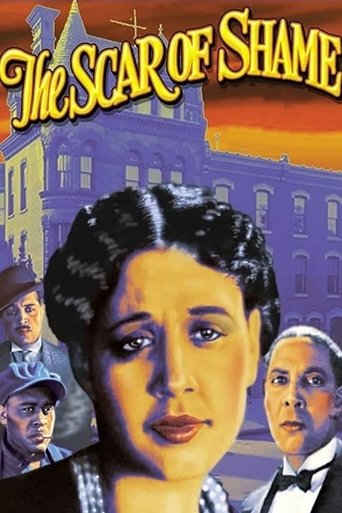
American actor of the silent era, most notably in the 1927 race film 'The Scar of Shame.' As a performer in the early African American cinema movement, Pettus was part of a generation of Black actors who worked outside the mainstream Hollywood system during a time of segregation. His appearance in 'The Scar of Shame' places him among the performers who helped create films specifically for Black audiences when such representation was virtually nonexistent in mainstream cinema. The film, produced by the Colored Players Film Corporation of Philadelphia, was one of the more sophisticated race films of its era, dealing with themes of class, morality, and social mobility within the Black community. While his filmography appears limited to this single known credit, his contribution to this historically significant work represents an important part of early African American film history. Like many actors from the race film era, detailed records of Pettus's life and career remain scarce, reflecting the marginalization of these early Black filmmakers and performers in historical documentation.
The Craft
Milestones
- Appeared in 'The Scar of Shame' (1927), an important early African American silent film
Best Known For
Must-See Films
Working Relationships
Studios
Why They Matter
Impact on Culture
William E. Pettus, through his participation in 'The Scar of Shame,' contributed to the important but often overlooked history of African American cinema during the silent era. Race films like 'The Scar of Shame' were crucial for providing Black audiences with cinematic representations that reflected their own communities, experiences, and aspirations at a time when mainstream Hollywood either excluded Black performers entirely or relegated them to stereotypical roles. These films created a space for Black actors to portray complex human characters rather than the caricatures common in mainstream cinema. The preservation and study of films like 'The Scar of Shame' have become increasingly important for understanding the full scope of American film history and the contributions of African American artists to early cinema.
Lasting Legacy
William E. Pettus's legacy is intrinsically tied to the preservation and recognition of race films from the silent era. 'The Scar of Shame' has been recognized by film scholars and preservationists as a significant work that demonstrates the sophistication and artistic ambitions of early Black cinema. The film was selected for preservation in the United States National Film Registry in 2021 for its cultural, historical, and aesthetic importance. While Pettus himself may not be widely known by name, his contribution to this historically significant film makes him part of the foundation of African American cinema. The growing academic and public interest in race films has helped ensure that performers like Pettus are recognized as important figures in the broader narrative of American film history, even if detailed biographical information remains elusive.
Who They Inspired
As an actor from the early race film era, William E. Pettus was part of a generation that helped establish the possibility of Black-controlled cinematic storytelling. His work, along with that of his contemporaries in race films, paved the way for future generations of African American filmmakers and performers. The existence of sophisticated Black-produced films like 'The Scar of Shame' demonstrated that African American artists could create compelling cinema outside the Hollywood system, a legacy that would influence independent Black filmmakers throughout the 20th century. While specific influences on later artists cannot be directly traced to Pettus, his participation in this movement contributed to the broader struggle for representation and artistic autonomy in American cinema.
Off Screen
Very little is documented about William E. Pettus's personal life, which is unfortunately common for many actors from the race film era whose contributions were not extensively recorded in mainstream film histories of the period.
Did You Know?
- 'The Scar of Shame' is one of the few surviving examples of the sophisticated race films produced in the 1920s
- The film was produced by the Colored Players Film Corporation, an independent Black film company based in Philadelphia
- Race films were produced specifically for Black audiences during the segregation era when mainstream theaters were segregated
- 'The Scar of Shame' was added to the National Film Registry in 2021 for its cultural significance
- The film explores themes of class division and social mobility within the Black community, which was unusual for its time
- Many race films have been lost due to poor preservation practices, making surviving films like 'The Scar of Shame' particularly valuable
- The film was directed by Frank P. Perugini, one of the few white directors who worked in the race film industry
- William E. Pettus appears to have had a very brief film career, limited to this single known credit
Frequently Asked Questions
Who was William E. Pettus?
Screen credits include the 1927 race film 'The Scar of Shame.' He was part of the early African American cinema movement that created films specifically for Black audiences during segregation.
What films is William E. Pettus best known for?
Titles linked here include The Scar of Shame (1927).
When was William E. Pettus born and when did he die?
Unfortunately, specific birth and death dates for William E. Pettus are not available in historical records, which is common for many actors from the race film era whose contributions were not extensively documented.
What awards did William E. Pettus win?
There are no recorded awards or honors specifically for William E. Pettus, though the film he appeared in, 'The Scar of Shame,' was later selected for preservation in the National Film Registry in 2021.
What was the significance of 'The Scar of Shame'?
'The Scar of Shame' is historically significant as one of the more sophisticated race films of the silent era, dealing with complex themes of class, morality, and social mobility within the Black community. It represents an important example of early African American independent cinema.
What were race films?
Race films were movies produced by Black casts for Black audiences during the segregation era, roughly from 1915 to 1950. These films were created because mainstream Hollywood either excluded Black performers or relegated them to stereotypical roles, and many theaters were segregated.