Films
1 film
About Norman Johnstone
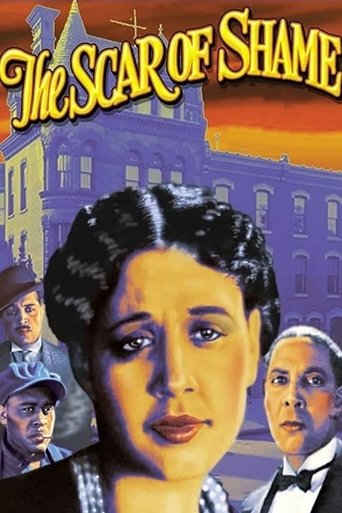
Norman Johnstone appears in The Scar of Shame (1927), produced by Philadelphia's Colored Players Film Corporation — one of the important independent African-American production companies of the 1920s. He was part of a small but significant group of Black actors working in race films when mainstream Hollywood offered very limited opportunities for African-American performers. His brief film career appears to have been confined to 1927, coinciding with the height of the silent era just before the transition to sound. Like many actors from this period who worked in independent Black cinema, detailed records of his life and career are scarce, reflecting the historical neglect of these performers. His participation in The Scar of Shame places him within the important tradition of early African-American cinema that sought to present more authentic and diverse portrayals of Black life than were typically found in mainstream Hollywood productions of the time.
The Craft
Milestones
- Appeared in 'The Scar of Shame' (1927), an important African-American silent film
Best Known For
Iconic Roles
Must-See Films
Working Relationships
Studios
Why They Matter
Impact on Culture
Norman Johnstone's contribution to cinema, while brief, is part of the larger story of African-American representation in early Hollywood. His appearance in 'The Scar of Shame' places him among the Black actors who worked to create alternative images of African-American life through independent race films. These films were crucial in providing employment for Black actors and presenting more nuanced portrayals than the stereotypical roles available in mainstream cinema. The film itself is considered an important artifact of early Black cinema, dealing with themes of class, ambition, and moral choices within the African-American community.
Lasting Legacy
Norman Johnstone's legacy is preserved through his participation in 'The Scar of Shame,' which has survived as an important example of African-American silent cinema. The film is studied by film historians and scholars interested in early Black cinema and the efforts of independent filmmakers to create authentic representations of African-American life. While his individual contribution may be small, it represents part of the collective effort by Black performers and filmmakers of the 1920s to establish their own cinematic voice outside the constraints of mainstream Hollywood.
Who They Inspired
Due to the limited documentation of his career and the brevity of his film appearances, specific information about Norman Johnstone's influence on other actors or filmmakers is not available. However, his work as part of the cast of 'The Scar of Shame' contributes to the broader influence that early African-American cinema had on subsequent generations of Black filmmakers and performers.
Off Screen
Very little is documented about Norman Johnstone's personal life, which is typical for many African-American actors from the silent era who worked in independent race films. Historical records for performers from this period are often incomplete or lost.
Did You Know?
- Appeared in only one known film, 'The Scar of Shame' (1927)
- Worked with the Colored Players Film Corporation, an important African-American independent production company
- Participated in what is now considered a significant artifact of early Black cinema
- His career coincided with the final years of the silent era
- Like many actors from race films of this period, detailed biographical information is scarce
- 'The Scar of Shame' was one of the few silent films to explore class divisions within the African-American community
- The film has been preserved by the Library of Congress and recognized for its historical importance
Frequently Asked Questions
Who was Norman Johnstone?
American with credits in this catalog.
What films is Norman Johnstone best known for?
Titles linked here include The Scar of Shame (1927).
When was Norman Johnstone born and when did he die?
Unfortunately, specific birth and death dates for Norman Johnstone are not available in historical records, which is common for many African-American actors from the silent era who worked in independent race films.
What awards did Norman Johnstone win?
There are no recorded awards or nominations for Norman Johnstone, which was typical for actors working in independent race films during the 1920s, as these productions were often overlooked by mainstream award organizations.
What was Norman Johnstone's acting style?
Specific details about Norman Johnstone's acting style are not documented, but actors in 'The Scar of Shame' generally employed the dramatic, expressive style typical of silent film performance, adapted to the film's serious social themes.
Why is 'The Scar of Shame' historically significant?
'The Scar of Shame' is historically significant as one of the few surviving examples of African-American independent cinema from the silent era, offering a rare glimpse into how Black filmmakers portrayed their own communities during the 1920s.