
Films
2 films
About E.G. Tatum
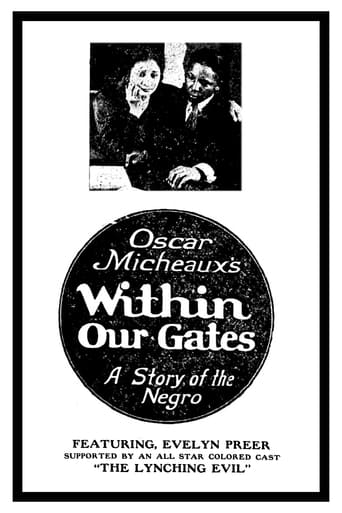
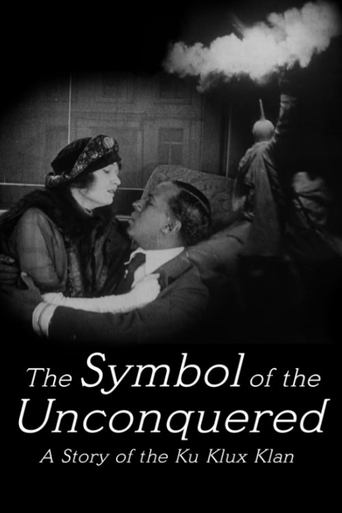
African American actor who worked during the silent film era, most notably appearing in two films by Black director Oscar Micheaux in 1920. His career, though brief, coincided with the emergence of race films - movies created by and for African American audiences during the era of segregation. Tatum appeared in 'Within Our Gates,' which is now recognized as the earliest surviving feature film directed by a Black filmmaker, and 'The Symbol of the Unconquered,' another significant Micheaux production that is unfortunately considered lost. Like many actors of the early race film movement, Tatum contributed to establishing Black representation in cinema during a time when mainstream Hollywood largely excluded or stereotyped African Americans. His work helped lay the foundation for future generations of Black filmmakers and actors. Despite his limited filmography, his participation in these historically important films ensures his place in cinema history as part of the early Black film movement.
The Craft
Milestones
- Appeared in 'Within Our Gates' (1920), the earliest surviving feature film by a Black director
- Acted in 'The Symbol of the Unconquered' (1920), another significant Oscar Micheaux production
- Contributed to the early race film movement during the silent era
Best Known For
Iconic Roles
Must-See Films
Working Relationships
Worked Often With
Studios
Why They Matter
Impact on Culture
E.G. Tatum's contribution to cinema, though brief, is culturally significant as part of the foundational cast of Oscar Micheaux's groundbreaking films. His participation in 'Within Our Gates' helped create one of the earliest cinematic responses to D.W. Griffith's 'The Birth of a Nation,' directly challenging racist narratives prevalent in mainstream cinema. As an actor in the race film movement, Tatum was part of a revolutionary effort to create authentic Black representation on screen and establish an independent Black film industry. These early films served as crucial cultural artifacts that preserved African American experiences and perspectives during a period of intense racial discrimination.
Lasting Legacy
E.G. Tatum's legacy is preserved through his participation in historically significant films that have survived as important examples of early Black cinema. His work in 'Within Our Gates' ensures his place in film history as part of the cast of this landmark film, which continues to be studied by film scholars and historians. The film's preservation by the Library of Congress and its recognition in the National Film Registry means that Tatum's contribution to cinema will be remembered and studied by future generations. His career represents the broader legacy of the many unsung African American performers who helped build the foundation for Black representation in American cinema.
Who They Inspired
While specific details about E.G. Tatum's influence on other actors are not documented, his work as part of Oscar Micheaux's film company contributed to the establishment of a Black film tradition that would influence generations of African American filmmakers and performers. The race film movement that actors like Tatum participated in demonstrated the viability of independent Black cinema and paved the way for future Black filmmakers to tell their own stories on their own terms.
Off Screen
Very little is known about E.G. Tatum's personal life, which was common for many actors in the early race film industry. Like many performers of this era, detailed biographical information was not systematically preserved, particularly for African American actors working outside the mainstream Hollywood system.
Did You Know?
- E.G. Tatum appeared in two films in 1920, both directed by Black filmmaker Oscar Micheaux
- 'Within Our Gates' was created as a direct response to D.W. Griffith's controversial 'The Birth of a Nation' (1915)
- The film 'The Symbol of the Unconquered' (1920), in which Tatum appeared, is considered a lost film
- Like many early African American actors, Tatum worked outside the Hollywood studio system in the independent race film industry
- The race film movement that Tatum participated in was crucial for creating employment opportunities for Black actors during segregation
- Very little biographical information survives about many early race film actors, including Tatum
- His film 'Within Our Gates' was preserved in the Library of Congress and selected for the National Film Registry in 1992
Frequently Asked Questions
Who was E.G. Tatum?
African American actor who worked during the silent film era, appearing in two significant films by Black on YTB.my. He was part of the early race film movement that created movies by and for African American audiences during segregation.
What films is E.G. Tatum best known for?
Titles linked here include Within Our Gates (1920), The Symbol of the Unconquered (1920).
When was E.G. Tatum born and when did he die?
Unfortunately, specific birth and death dates for E.G. Tatum are not available in historical records, which is common for many early African American actors who worked outside the mainstream film industry.
What awards did E.G. Tatum win?
There are no recorded awards or nominations for E.G. Tatum, which was typical for actors working in the early race film industry during the silent era when formal recognition systems were limited.
What was E.G. Tatum's acting style?
Specific details about E.G. Tatum's acting style are not documented, but like many actors in early race films, he likely performed in the dramatic style typical of silent film era acting, using exaggerated gestures and expressions to convey emotion without dialogue.