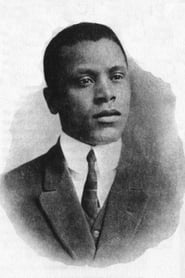
Oscar Micheaux
Director
Born: January 2, 1884 in Metropolis, Illinois, USA Died: March 25, 1951 Active: 1919-1951 Birth Name: Oscar Devereaux Micheaux
Films
3 films
About Oscar Micheaux
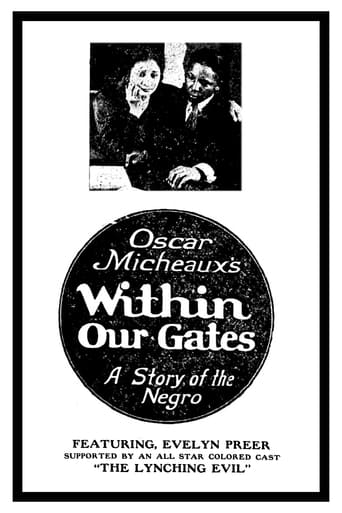
African American filmmaker who emerged as prolific and influential independent directors of the silent era and early sound period. Born to former slaves in rural Illinois, Micheaux worked various jobs including homesteading in South Dakota before turning to writing and filmmaking. He founded his own production company, Micheaux Film Corporation, in 1919 and went on to direct over 40 films, becoming the first African American to produce a feature-length film. His work directly challenged the racist portrayals in mainstream cinema, particularly D.W. Griffith's 'The Birth of a Nation,' with his 1920 film 'Within Our Gates' serving as a powerful counter-narrative. Micheaux discovered and launched the career of actor Paul Robeson in 'Body and Soul' (1925), demonstrating his eye for talent. Throughout his career, he faced constant financial struggles and distribution challenges due to racial segregation in the film industry, yet persisted in creating authentic representations of black life. His films tackled controversial subjects including lynching, passing, and racial injustice, making him both a cinematic pioneer and a cultural revolutionary who paved the way for future generations of African American filmmakers.
The Craft
Behind the Camera
Oscar Micheaux's directing style was characterized by raw authenticity, social consciousness, and a commitment to portraying African American life with dignity and complexity. He employed a documentary-like realism in his films, often using non-professional actors and natural locations to create genuine representations of black communities. His visual storytelling incorporated innovative techniques such as flashback sequences and parallel editing to explore themes of racial identity and social injustice. Despite working with extremely limited budgets, Micheaux demonstrated remarkable resourcefulness, using whatever means available to convey his powerful narratives about the African American experience.
Milestones
- Directed first feature-length film by African American producer (The Homesteader, 1919)
- Founded Micheaux Film Corporation (1919)
- Created response to Birth of a Nation with Within Our Gates (1920)
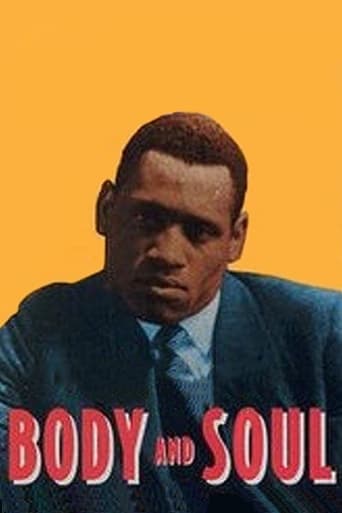
- Launched Paul Robeson's film career in Body and Soul (1925)
- Directed over 40 films during his career
- Became most prolific African American filmmaker of early cinema era
Best Known For
Must-See Films
Accolades
Won
- Posthumously inducted into the Directors Guild of America (1986)
- Inducted into the Black Filmmakers Hall of Fame (1973)
Nominated
- NAACP Image Award for Outstanding Contribution to Cinema (posthumous)
Special Recognition
- Directors Guild of America Honorary Life Member (1986)
- Oscar Micheaux Award established by Independent Black Film Festival
- USPS commemorative stamp issued in his honor (2010)
- Star on Hollywood Walk of Fame (1987)
- Library of Congress National Film Registry selections for Within Our Gates (1992) and Body and Soul (2019)
Working Relationships
Worked Often With
Studios
Why They Matter
Impact on Culture
Oscar Micheaux's cultural impact extends far beyond his role as a filmmaker; he was a revolutionary figure who created a counter-narrative to the racist portrayals prevalent in early American cinema. His films provided African American audiences with rare opportunities to see themselves represented on screen with dignity, complexity, and authenticity during an era of overt racial discrimination in media. Micheaux's work directly challenged the harmful stereotypes perpetuated by mainstream Hollywood and D.W. Griffith's 'The Birth of a Nation,' offering powerful responses that highlighted racial injustice and celebrated black resilience. His films served as important cultural documents that preserved aspects of African American life and perspective that would otherwise have been lost to history. Micheaux's persistence in creating and distributing his own films despite overwhelming obstacles helped establish the foundation for independent African American cinema and demonstrated the viability of black-produced content.
Lasting Legacy
Oscar Micheaux's legacy as the 'Father of Black American Cinema' continues to resonate throughout contemporary film and media. His work laid the groundwork for generations of African American filmmakers, from Gordon Parks to Spike Lee to Ava DuVernay, who have followed in his footsteps of creating authentic black stories. Micheaux's films are now recognized as invaluable historical artifacts that provide unique insights into African American life during the early 20th century. The Oscar Micheaux Award, established by various film festivals, continues to honor independent filmmakers who embody his spirit of social consciousness and artistic innovation. His story serves as a powerful testament to the importance of representation in media and the transformative potential of cinema as a tool for social change and cultural preservation.
Who They Inspired
Oscar Micheaux's influence on cinema is profound and multifaceted, extending from his technical innovations to his thematic contributions. He demonstrated that independent filmmaking could be a viable alternative to the studio system, inspiring generations of independent filmmakers to pursue their visions outside mainstream channels. His willingness to tackle controversial subjects like lynching, racial passing, and police brutality paved the way for later filmmakers to address social issues through cinema. Micheaux's discovery and promotion of black talent, particularly Paul Robeson, created a precedent for developing and showcasing African American performers. His films influenced later black cinema movements, from the L.A. Rebellion of the 1970s to contemporary independent black filmmakers who continue his mission of authentic representation and social commentary.
Off Screen
Oscar Micheaux married Alice B. Russell in 1926, who became a frequent actress in his films and a crucial collaborator in his production company. The couple had no children together, though Micheaux had previously been married to Ruth L. Robinson from 1910-1912. His personal life was marked by constant financial struggles and the challenges of running an independent film company during the era of segregation. Micheaux was known for his tireless work ethic, often writing, directing, producing, and distributing his films single-handedly while traveling extensively to promote his work in segregated theaters across the country.
Education
Attended public schools in Illinois and briefly attended high school in Chicago, but was largely self-educated through extensive reading and life experience.
Family
- Ruth L. Robinson (1910-1912)
- Alice B. Russell (1926-1951)
Did You Know?
- Was the first African American to produce a feature-length film
- Directed over 40 films though only about 15 survive today
- His film 'Within Our Gates' is the earliest surviving feature by a black director
- Worked as a Pullman porter and homesteader before becoming a filmmaker
- Often had to sell his films door-to-door to theater owners
- Many of his films were lost due to poor preservation of race films
- His second wife Alice appeared in at least 10 of his films
- Faced constant censorship from white film boards
- Was both the most prolific and most controversial black filmmaker of his era
- His films were often shown in segregated 'colored' theaters only
- Wrote seven novels before turning to filmmaking
- Once financed a film by selling stock door-to-door in Harlem
In Their Own Words
We want to see our lives dramatized on the screen as we are living it, the same as other peoples see themselves.
The motion picture is the greatest medium for education and entertainment the world has ever known.
I have always tried to make my pictures reflect the Negro as he is in his everyday life.
The race problem is the biggest problem in America. I try to show it in my pictures.
I would rather make a picture that would offend the white people than one that would offend my own people.
Frequently Asked Questions
Who was Oscar Micheaux?
African American filmmaker who directed over 40 films during the silent era and early sound period. He founded his own production company and became the first African American to produce a feature-length film, creating authentic representations of black life that challenged racial stereotypes in mainstream cinema.
What films is Oscar Micheaux best known for?
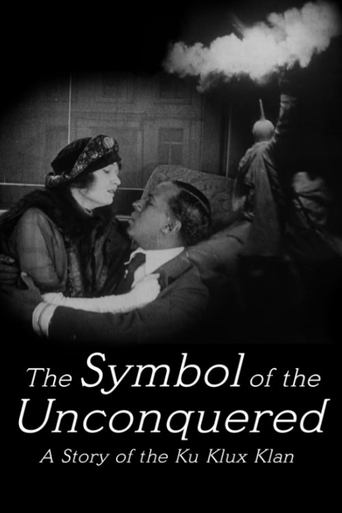
Titles linked here include Within Our Gates (1920), The Symbol of the Unconquered (1920).
When was Oscar Micheaux born and when did he die?
Born January 2, 1884; died March 25, 1951.
What awards did Oscar Micheaux win?
During his lifetime, Micheaux received little formal recognition, but posthumously he has been honored with induction into the Directors Guild of America, the Black Filmmakers Hall of Fame, a star on the Hollywood Walk of Fame, and a commemorative U.S. Postage stamp issued in 2010.
What was Oscar Micheaux's directing style?
Micheaux's directing style emphasized raw authenticity and social consciousness, often using non-professional actors and real locations to create documentary-like realism. He tackled controversial subjects including racial injustice, lynching, and colorism, using innovative techniques like flashbacks and parallel editing despite working with extremely limited budgets.