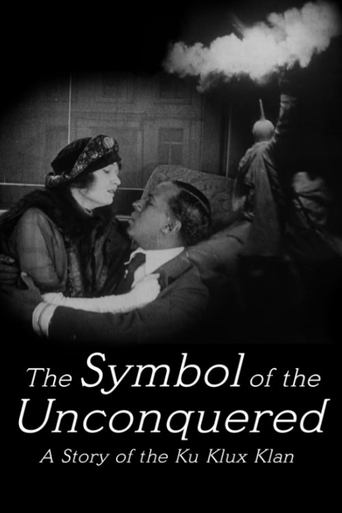
Films
1 film
About James Burrough
African American actor who worked during the silent film era, appearing in Oscar Micheaux's 1920 film 'The Symbol of the Unconquered.' Like many actors from the race film era, detailed records of his life and career are scarce due to the marginalization of Black cinema and the loss of many films from this period. His appearance in Micheaux's work places him among the Black performers who sought to counter negative stereotypes and present authentic African American stories on screen. The Symbol of the Unconquered was a significant race film that directly addressed racial prejudice and the Ku Klux Klan, making Burrough's participation historically important despite his brief filmography. His career appears to have been limited to 1920, as no other film credits have been documented, which was common for many actors in the early race film industry who often worked in theater or other professions between film roles.
The Craft
Milestones
- Appeared in Oscar Micheaux's 'The Symbol of the Unconquered' (1920)
- Participated in early African American cinema movement
- Contributed to race films that challenged racial stereotypes
Best Known For
Iconic Roles
Must-See Films
Working Relationships
Worked Often With
Studios
Why They Matter
Impact on Culture
James Burrough's participation in 'The Symbol of the Unconquered' contributes to the important legacy of African American resistance cinema in the 1920s. The film was part of Oscar Micheaux's body of work that directly challenged D.W. Griffith's 'The Birth of a Nation' and fought against the portrayal of African Americans in mainstream Hollywood. By appearing in this film, Burrough helped create positive representations of Black life and culture during a period of intense racial discrimination. The film's themes of racial pride and resistance to oppression made it a significant cultural artifact of the Harlem Renaissance era.
Lasting Legacy
James Burrough's legacy is preserved through his contribution to early African American cinema, though like many actors from the race film period, his individual story remains largely undocumented. His work in 'The Symbol of the Unconquered' represents the broader struggle of Black artists to create their own narratives and control their representation during the early 20th century. The film itself is considered an important piece of cinema history, with surviving portions studied by film scholars interested in early Black cinema and resistance filmmaking.
Who They Inspired
While specific influences on other actors cannot be documented due to limited records, Burrough's work with Oscar Micheaux contributed to the foundation of African American cinema that would influence future generations of Black filmmakers and performers. The race film movement he participated in paved the way for later Black cinema, from the Blaxploitation era to contemporary Black filmmaking.
Off Screen
Very little is documented about James Burrough's personal life, which was typical for many African American actors of the silent era whose contributions were not extensively recorded by mainstream press or film historians of the time.
Did You Know?
- The Symbol of the Unconquered is considered a partially lost film, with only fragments surviving today
- The film was created as a direct response to D.W. Griffith's controversial 'The Birth of a Nation'
- Oscar Micheaux, the film's director, was the most prolific African American filmmaker of the silent era
- Race films like this one were shown in segregated theaters for African American audiences
- The film addressed themes of racial passing and the Ku Klux Klan's activities
- James Burrough was one of many African American actors who found work in the race film industry when mainstream Hollywood excluded them
- The film was produced by the Micheaux Film Corporation, one of the few Black-owned production companies of the era
- Many actors in race films also worked in theater, vaudeville, or other entertainment venues between film roles
Frequently Asked Questions
Who was James Burrough?
Screen credits include silent films during the early 1920s, most notably in Oscar Micheaux's 1920 film 'The Symbol of the Unconquered.' Like many actors from the race film era, detailed biographical information about him is scarce due to limited documentation of early Black cinema.
What films is James Burrough best known for?
Titles linked here include The Symbol of the Unconquered (1920).
When was James Burrough born and when did he die?
Specific birth and death dates for James Burrough are not documented in historical records, which reflects the broader challenge of preserving information about African American actors from the silent era who worked outside the mainstream Hollywood system.
What awards did James Burrough win?
There are no documented awards or honors for James Burrough, which was common for actors in the race film industry who often worked without recognition from mainstream film institutions during the early 20th century.
What was James Burrough's acting style?
Specific details about James Burrough's acting style are not documented in surviving records. However, actors in Micheaux's films typically employed the exaggerated gestures and expressions common in silent film acting while working to present authentic African American experiences.
What was the significance of 'The Symbol of the Unconquered'?
'The Symbol of the Unconquered' was a significant race film that directly challenged racial stereotypes and addressed themes of racial prejudice, the Ku Klux Klan, and African American pride. It was part of Oscar Micheaux's body of work that fought against negative portrayals of Black people in mainstream cinema.
Why is there so little information about James Burrough?
The scarcity of information about James Burrough reflects the broader historical neglect of African American cinema and its performers. Many records from the race film era were lost, and mainstream press and film historians of the time rarely documented the lives and careers of Black actors working outside Hollywood.