Films
1 film
About George Catlin
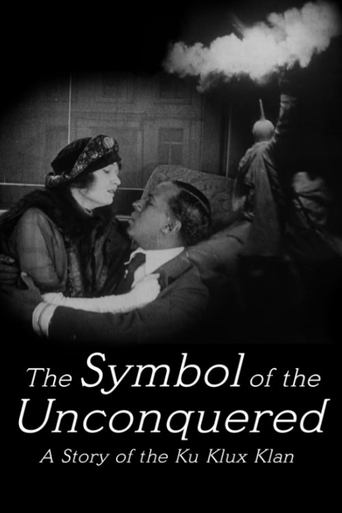
This archive lists one role for George Catlin: The Symbol of the Unconquered (1920). As an actor in early African American cinema, Catlin was part of Micheaux's efforts to create films that challenged racial stereotypes and portrayed Black life with dignity and complexity. His career appears to have been extremely brief, with his only confirmed film credit being in this important early work of Black cinema. Micheaux, prolific African American filmmakers of the silent era, often used both professional and non-professional actors from his community, and Catlin was likely part of this tradition. The film itself was a response to D.W. Griffith's 'The Birth of a Nation' and dealt with themes of racial prejudice and African American resilience. Unfortunately, like many actors from this period of early Black cinema, detailed biographical information about George Catlin is scarce, reflecting the limited documentation and preservation of African American performers from the silent era.
The Craft
Milestones
- Appeared in Oscar Micheaux's 'The Symbol of the Unconquered' (1920)
Best Known For
Iconic Roles
Must-See Films
Working Relationships
Worked Often With
Studios
Why They Matter
Impact on Culture
George Catlin, though appearing in only one known film, was part of the groundbreaking movement of early African American cinema that sought to counter the negative racial stereotypes prevalent in mainstream Hollywood films of the era. His participation in Oscar Micheaux's work contributed to the establishment of an independent Black film industry that provided authentic representation and employment opportunities for African American actors. The film he appeared in, 'The Symbol of the Unconquered,' was significant for its direct confrontation of racial prejudice and its portrayal of African American characters as complex, heroic figures resisting discrimination and violence.
Lasting Legacy
George Catlin's legacy is tied to his participation in. While his individual contribution may seem small, he was part of a collective effort by Black filmmakers and actors to create an alternative to Hollywood's racist portrayals. The preservation of films like 'The Symbol of the Unconquered' ensures that performers like Catlin are remembered as pioneers who helped lay the groundwork for future generations of African American filmmakers and actors. His work represents the early struggles and triumphs of Black artists in American cinema.
Who They Inspired
As an actor with only one known film credit, George Catlin's direct influence on subsequent performers is difficult to trace. However, his participation in early Black cinema contributed to the broader movement that would eventually influence generations of African American filmmakers and actors. The work of pioneers like Catlin and his contemporaries helped demonstrate the viability and importance of independent Black filmmaking, paving the way for later developments in African American cinema throughout the 20th century.
Off Screen
Very little is known about George Catlin's personal life, which is typical for many actors who appeared in early African American cinema. The limited documentation of performers from this era, particularly those who had brief careers, means that details about his family background, personal relationships, and life outside of his film work have not been preserved in historical records.
Did You Know?
- Appeared in Oscar Micheaux's 1920 film 'The Symbol of the Unconquered,' which was a direct response to D.W. Griffith's controversial 'The Birth of a Nation'
- The film he appeared in was one of the earliest surviving examples of African American independent cinema
- Oscar Micheaux, the director of his only known film, was the most prolific African American filmmaker of the silent era
- The Symbol of the Unconquered dealt with themes of racial prejudice and the Ku Klux Klan, making it controversial for its time
- Like many early African American films, only fragments of 'The Symbol of the Unconquered' are known to survive today
- George Catlin was part of Micheaux's practice of casting from local African American communities
- His film active years covered only one year according to available records, making him one of the briefest careers in silent cinema history
Frequently Asked Questions
Who was George Catlin?
American with credits in this catalog.' He was part of the early movement of African American cinema that sought to provide authentic representation of Black life on screen.
What films is George Catlin best known for?
Titles linked here include The Symbol of the Unconquered (1920).
When was George Catlin born and when did he die?
Unfortunately, specific birth and death dates for George Catlin are not available in historical records. This is common for many actors who appeared in early African American cinema, as detailed documentation was often not preserved.
What awards did George Catlin win?
There are no known awards or honors received by George Catlin. During the early 1920s, particularly for independent African American cinema, formal award systems were not yet established, and recognition for performers was extremely limited.
What was George Catlin's acting style?
Specific details about George Catlin's acting style are not documented. However, actors in early African American cinema often employed the dramatic, expressive techniques common to silent film acting, while working to bring authenticity to roles that countered mainstream stereotypes of the era.