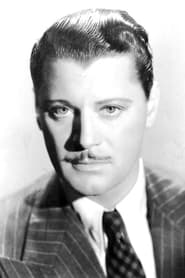
Ralph Forbes
Actor
Born: September 30, 1896 in London, England Died: March 31, 1951 Active: 1926-1949 Birth Name: Ralph Forbes Taylor
Films
4 films

About Ralph Forbes
British actor who successfully transitioned from silent films to early talkies during Hollywood's golden era. Born Ralph Forbes Taylor in London, he began his acting career on the British stage before emigrating to the United States in the mid-1920s. His breakthrough came with his compelling performance in the silent drama 'Mr. Wu' (1927), which established him as a leading man in Hollywood. Forbes demonstrated remarkable versatility during his career, portraying romantic leads, sophisticated gentlemen, and dramatic characters with equal skill. Ralph appears in over 60 films between 1926 and 1949, working with major studios including MGM, Paramount, and Warner Bros. His the critical transition period from silent cinema to sound films, where he adapted his acting style to meet the new demands of talkies. Despite his British heritage, Forbes became a naturalized American citizen and became deeply embedded in Hollywood's studio system. His later years saw him taking on character roles as he aged gracefully before his untimely death in 1951.
The Craft
On Screen
Ralph Forbes was known for his refined, sophisticated screen presence and elegant demeanor. His acting style evolved from the theatrical gestures required in silent films to a more naturalistic approach suitable for talkies. Forbes possessed a distinctive British accent that added authenticity to his aristocratic and educated character portrayals. His performances were characterized by subtle emotional depth and precise diction, making him particularly effective in romantic dramas and sophisticated comedies. He had the ability to convey complex emotions through minimal facial expressions, a skill that served him well during the silent era and continued to be valuable in sound films.
Milestones
- Breakthrough role in 'Mr. Wu' (1927)
- Successful transition from silent films to talkies
- Leading man status at major Hollywood studios
- Prolific character actor in the 1940s
- Stage career in Britain before film success
Best Known For
Iconic Roles
Must-See Films
Accolades
Special Recognition
- Hollywood Walk of Fame star (located at 6263 Hollywood Boulevard)
Working Relationships
Worked Often With
Studios
Why They Matter
Impact on Culture
Ralph Forbes played a significant role in representing British sophistication and elegance in Hollywood cinema during the 1920s and 1930s. His successful transition from silent films to talkies demonstrated the adaptability required of actors during this pivotal period in film history. Forbes helped establish the archetype of the refined British gentleman in American cinema, a character type that would become increasingly popular throughout Hollywood's golden age. His performances contributed to the cultural exchange between British and American film industries, helping to bridge the gap between the two cinematic traditions.
Lasting Legacy
Ralph Forbes left a lasting legacy as a versatile character actor who successfully navigated the changing landscape of Hollywood cinema. His filmography serves as a valuable record of the transition from silent films to talkies, showcasing how actors adapted their craft to new technologies. Forbes is remembered for his dignified portrayals and the consistent quality of his performances across various genres. His work continues to be studied by film historians as an example of how British actors successfully integrated into the Hollywood studio system while maintaining their distinctive cultural identity.
Who They Inspired
Forbes influenced subsequent generations of British actors in Hollywood by demonstrating how to maintain one's cultural identity while achieving success in American cinema. His smooth transition from leading man to character actor provided a model for career longevity in the film industry. Many British actors who followed in his footsteps, including David Niven and Cary Grant, benefited from the path he helped forge for British performers in Hollywood. His dedication to craft and professionalism set standards that influenced studio practices regarding international talent.
Off Screen
Ralph Forbes was married twice during his lifetime, both to fellow actresses. His first marriage was to Ruth Taylor, a popular silent film actress, from 1926 until their divorce in 1932. In 1936, he married British actress Heather Angel, with whom he remained until his death in 1951. The couple often worked together and were regarded as one of Hollywood's stable marriages during that era. Forbes was known for his intellectual pursuits outside of acting, including literature and classical music. He maintained his British citizenship for many years before becoming a naturalized American citizen in the early 1940s.
Education
Educated at private schools in London, with early training in dramatic arts at the Royal Academy of Dramatic Art
Family
- Ruth Taylor (1926-1932)
- Heather Angel (1936-1951)
Did You Know?
- Born Ralph Forbes Taylor, he dropped his surname for his professional career
- Served in the British Army during World War I before pursuing acting
- Was a distant cousin of British politician Michael Foot
- Appeared in Alfred Hitchcock's 'Rebecca' (1940) in a supporting role
- His second wife Heather Angel was also British, and they met while filming together
- Despite his British heritage, he became a popular American character actor
- Was one of the few silent film stars who successfully transitioned to sound films without major career disruption
- His Hollywood Walk of Fame star was dedicated posthumously
- Was known for his impeccable diction, which made him valuable in early sound films
- Often played aristocratic or educated characters due to his refined appearance and accent
In Their Own Words
The transition from silent to sound films was not as difficult for those of us who had proper stage training and good diction
Being British in Hollywood was both an advantage and a challenge - typecasting was real, but it also gave you a niche
Acting is acting, whether it's on stage, in silent pictures, or in talkies - the emotion must be genuine
Frequently Asked Questions
Who was Ralph Forbes?
British-American with credits in this catalog. He was known for his sophisticated screen presence and successful transition from silent films to talkies, appearing in over 60 films during his career.
What films is Ralph Forbes best known for?
Titles linked here include Mr. Wu (1927), Inside the Lines (1930).
When was Ralph Forbes born and when did he die?
Born September 30, 1896; died March 31, 1951.
What awards did Ralph Forbes win?
While Ralph Forbes did not receive major acting awards during his lifetime, he was honored with a star on the Hollywood Walk of Fame located at 6263 Hollywood Boulevard in recognition of his contributions to the film industry.
What was Ralph Forbes' acting style?
Ralph Forbes was known for his refined, sophisticated acting style characterized by elegant demeanor and precise diction. He successfully adapted from the theatrical gestures of silent films to a more naturalistic approach in talkies, excelling at portraying aristocratic and educated characters with subtle emotional depth.