Films
2 films
About Charlotte Bird
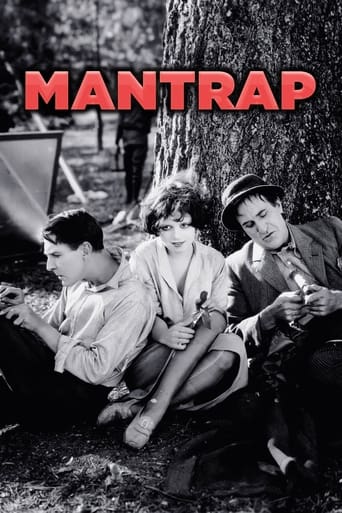
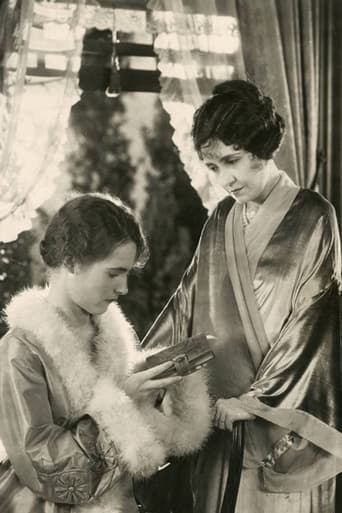
American actress who had a brief but notable career during the height of the silent film era in 1926. Charlotte appears in two significant films that year, showcasing her talent during Hollywood's transition from the silent era to sound. Her first appearance was in Victor Fleming's romantic comedy 'Mantrap' (1926), starring Clara Bow, where she played a supporting role that demonstrated her ability to work alongside established stars. Later that same year, she appeared in Allan Dwan's drama 'Padlocked' (1926), further establishing her presence in Hollywood's competitive film industry. Despite her promising start and appearances in well-received productions, Charlotte Bird's film career was remarkably brief, spanning only the single year of 1926. Like many silent era actors whose careers were cut short by the advent of sound or other circumstances, she represents the countless talented performers who briefly graced the silver screen during cinema's formative years. Her limited but quality filmography places her among the many forgotten talents of Hollywood's golden silent period.
The Craft
Milestones
- Appeared in 'Mantrap' (1926) directed by Victor Fleming
- Starred in 'Padlocked' (1926) directed by Allan Dwan
- Worked during the peak of silent cinema
- Shared screen with major stars like Clara Bow
- Participated in two significant productions in her only year of film work
Best Known For
Iconic Roles
Must-See Films
Working Relationships
Worked Often With
Why They Matter
Impact on Culture
Charlotte Bird's cultural impact is primarily representative of the hundreds of talented actors who populated Hollywood films during the silent era but whose careers were brief or undocumented. Her appearances in two notable 1926 productions place her within the context of cinema's transition period, where countless performers contributed to the medium's development without achieving lasting fame. Her work alongside established stars like Clara Bow demonstrates the ecosystem of supporting talent that was essential to Hollywood's golden age productions.
Lasting Legacy
Charlotte Bird's legacy is that of a typical silent-era supporting actress whose brief career exemplifies the transient nature of early Hollywood fame. Her two film appearances in 1926 serve as historical artifacts documenting the vast pool of talent that contributed to cinema's formative years. While she did not achieve lasting recognition, her participation in significant productions of the era makes her part of the broader tapestry of film history, representing the many forgotten performers who helped shape early cinema.
Who They Inspired
As a brief career actress from the silent era, Charlotte Bird's direct influence on subsequent generations of performers is not documented. However, her work contributes to the collective understanding of the scale and diversity of talent during Hollywood's silent period. Her performances, though limited in number, add to the historical record of how supporting roles were filled and how films were cast during this crucial period in cinema development.
Off Screen
Very little is known about Charlotte Bird's personal life, as was common for many supporting actors of the silent era who did not achieve major stardom. Her brief active years covered only 1926, and there are no extensive records of her background, family, or life outside of her two film appearances. Like many actors from this period who had short careers, detailed biographical information was not extensively documented in contemporary sources.
Did You Know?
- Appeared in exactly two films, both released in 1926
- Worked with two major directors: Victor Fleming and Allan Dwan
- Her entire known film career lasted only one year
- Appeared in 'Mantrap' which starred the 'It Girl' Clara Bow
- Both of her films were produced by Paramount Pictures
- Her career coincided with the peak of the silent era just before the transition to sound
- Like many supporting actors of her era, she did not achieve lasting fame
- No records of her birth or death dates exist in major film databases
- Her roles were likely uncredited or minor supporting parts
- Represents the typical journey of many silent era actors who had brief careers
Frequently Asked Questions
Who was Charlotte Bird?
What films is Charlotte Bird best known for?
When was Charlotte Bird born and when did she die?
Specific birth and death dates for Charlotte Bird are not documented in available historical records, which was common for many supporting actors of the silent era who did not achieve major stardom.
What awards did Charlotte Bird win?
There are no records of Charlotte Bird receiving any major awards or nominations during her brief film career in 1926. Like many supporting actors of her era, her contributions went formally unrecognized by award organizations.
What was Charlotte Bird's acting style?
Specific details about Charlotte Bird's acting style are not documented in available sources, as her career was limited to supporting roles in two silent films. Her work would have been typical of the silent era's dramatic acting techniques.
Why did Charlotte Bird's career end after 1926?
The reasons for Charlotte Bird's career ending after 1926 are not documented, but this was common for many silent era actors who either chose to leave the industry, struggled with the transition to sound films, or simply did not secure further roles in Hollywood's competitive environment.