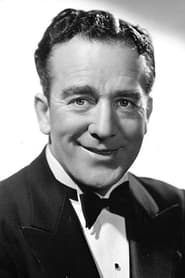
Jack Mulhall
Actor
Born: October 7, 1887 in Wappingers Falls, New York, USA Died: June 1, 1979 Active: 1910-1953 Birth Name: John Joseph Francis Mulhall
Films
8 films



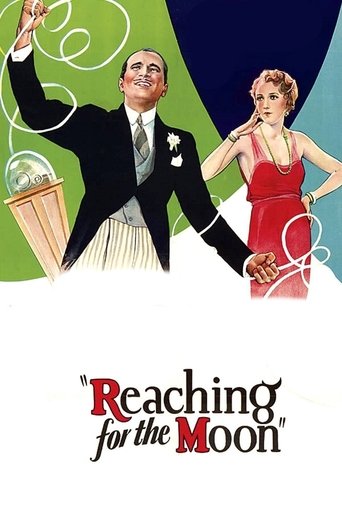
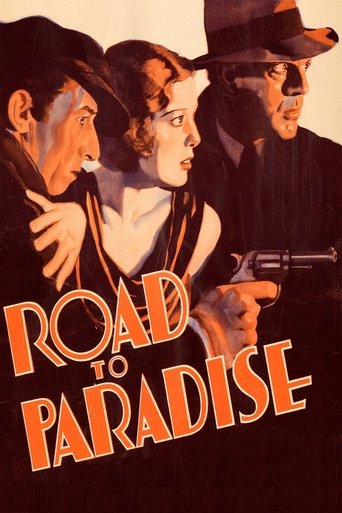
About Jack Mulhall
Prolific American actor: over three decades, beginning in the silent film era and continuing successfully into the sound era. Born John Joseph Francis Mulhall, he started his film career as a leading man in silent comedies and dramas, often playing romantic leads opposite some of Hollywood's biggest female stars of the 1920s. He was a contract player for various studios, including Universal and Paramount, where he appeared in numerous films throughout the 1920s and 1930s. Unlike many silent stars whose careers ended with the advent of sound, Mulhall successfully transitioned to talkies, though often in supporting roles rather than leading parts. During the 1930s and 1940s, he became a reliable character actor, appearing in over 200 films throughout his career. His later years saw him taking on smaller roles and uncredited parts, but he remained consistently employed in Hollywood until his retirement in the early 1950s. Mulhall's longevity in the industry and ability to adapt to changing times made him a respected figure in Hollywood's golden age.
The Craft
On Screen
Mulhall was known for his natural, understated acting style that translated well from silent to sound films. In silent films, he used expressive but subtle facial expressions and body language, avoiding the exaggerated gestures common in the era. His transition to sound was smooth due to his clear diction and natural speaking voice. He specialized in playing earnest, wholesome characters, often as the romantic lead or supportive friend. His acting style was characterized by its sincerity and reliability, making him a dependable presence in ensemble casts.
Milestones
- Transitioned successfully from silent films to talkies
- Starred in over 200 films during his career
- Leading man in Universal Pictures productions during the 1920s
- Became a reliable character actor in the 1930s-1940s
- Worked with major directors including Cecil B. DeMille
Best Known For
Iconic Roles
Must-See Films
Accolades
Special Recognition
- Hollywood Walk of Fame star (located at 6307 Hollywood Blvd)
Working Relationships
Worked Often With
Studios
Why They Matter
Impact on Culture
Jack Mulhall represents the journey of many actors who successfully navigated the transition from silent films to sound pictures. His career shows adaptability in Hollywood's rapidly changing landscape. As a leading man in the 1920s, he was part of the golden age of silent cinema, helping to establish the romantic drama genre. His successful transition to talkies demonstrated that acting skill, rather than just star power, was essential for longevity in the industry. Mulhall's extensive filmography provides a valuable record of American cinema's evolution from the 1910s through the 1950s.
Lasting Legacy
Jack Mulhall's legacy lies in his remarkable longevity and versatility as an actor. With over 200 film credits, he was one of Hollywood's most prolific supporting actors during the golden age. His ability to adapt from leading man roles in silent films to character parts in sound pictures serves as an inspiration for actors facing industry changes. Today, film historians and classic cinema enthusiasts study his career as an example of the journey of a working actor in Hollywood's studio system. His films continue to be preserved and shown at classic film festivals, introducing new generations to his work.
Who They Inspired
While not a major star who influenced acting techniques, Mulhall influenced younger actors through his professionalism and work ethic. His successful career transition demonstrated the importance of adaptability in the entertainment industry. He was known for being generous with advice to younger contract players, particularly those struggling with the transition from silent to sound films. His approach to character development and his reliability on set made him a model for professional conduct in Hollywood's studio system.
Off Screen
Jack Mulhall was married three times throughout his life. His first marriage was to actress Evelyn Selbie in 1915, which ended in divorce. He later married Bertha 'Bee' Knutson in 1924, with whom he had one child. After Bertha's death, he married his third wife, Ruth, in 1949, who remained with him until his death. Mulhall was known as a private individual who kept his personal life out of the Hollywood spotlight, focusing instead on his craft and maintaining steady employment in the industry.
Education
Educated in New York public schools, attended St. Francis College for a brief period before leaving to pursue acting
Family
- Evelyn Selbie (1915-1921)
- Bertha 'Bee' Knutson (1924-1948)
- Ruth Mulhall (1949-1979)
Did You Know?
- Appeared in over 200 films during his 43-year career
- Was one of the few silent leading men to successfully transition to character roles in talkies
- His star on the Hollywood Walk of Fame was dedicated in 1960
- Often played second lead to major stars like John Barrymore and Clara Bow
- Served in the U.S. Army during World War I before his film career took off
- Was a skilled amateur boxer in his youth
- Made his film debut in a 1910 Biograph short film
- Was a founding member of the Screen Actors Guild
- Appeared in early serial films, including 'The Trail of the Tiger' (1921)
- His last film role was an uncredited appearance in 'The Big Sky' (1952)
In Their Own Words
Acting is not about being famous, it's about being employed.
The transition from silent to sound wasn't about learning to talk, it was about learning to listen.
In Hollywood, longevity is the real success story.
Every role, big or small, is an opportunity to create something real.
Frequently Asked Questions
Who was Jack Mulhall?
Prolific American with credits in this catalog. He appeared in over 200 films, successfully transitioning from leading man roles in silent pictures to character actor roles in sound films.
What films is Jack Mulhall best known for?
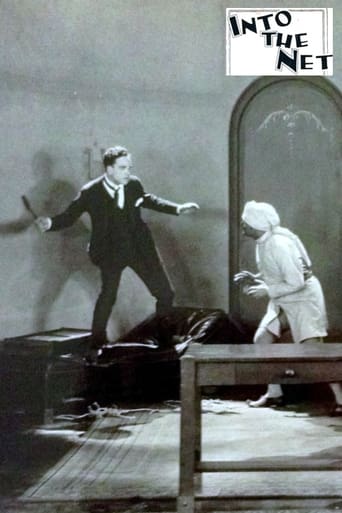
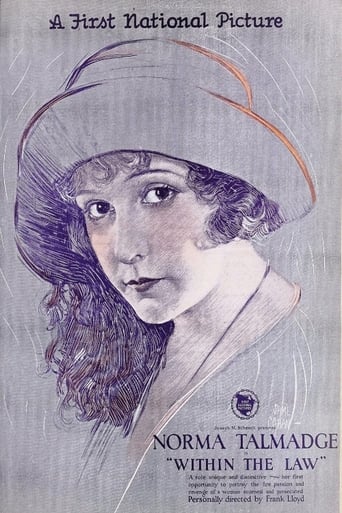
Titles linked here include Flesh and Blood (1922), Within the Law (1923).
When was Jack Mulhall born and when did he die?
Born October 7, 1887; died June 1, 1979.
What awards did Jack Mulhall win?
While Jack Mulhall did not receive major acting awards during his career, he was honored with a star on the Hollywood Walk of Fame at 6307 Hollywood Boulevard, recognizing his significant contributions to the film industry.
What was Jack Mulhall's acting style?
Mulhall was known for his natural, understated acting style that worked well in both silent and sound films. He avoided exaggerated gestures common in silent cinema and used subtle expressions, with his clear diction helping his smooth transition to talkies.
How did Jack Mulhall transition from silent to sound films?
Unlike many silent stars, Mulhall successfully transitioned to sound films due to his natural speaking voice and clear diction. He moved from leading man roles to character actor parts, appearing in over 200 films throughout his career.
Was Jack Mulhall married?
Yes, Jack Mulhall was married three times: first to actress Evelyn Selbie (1915-1921), then to Bertha 'Bee' Knutson (1924-1948) with whom he had a son, and finally to Ruth Mulhall (1949-1979).