Films
4 films

About Togo Yamamoto
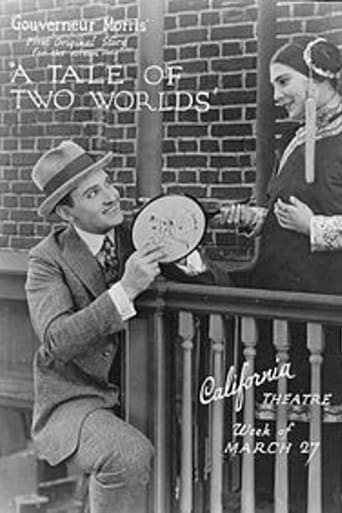
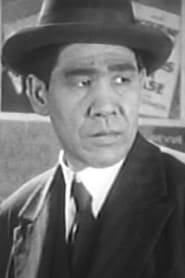
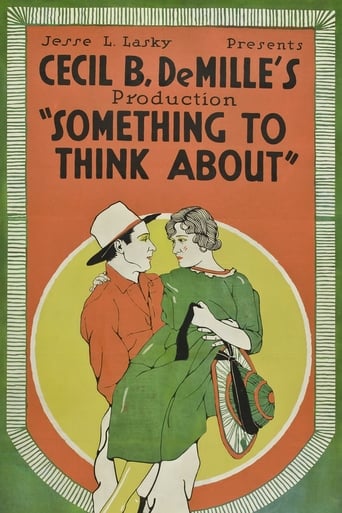
Japanese actor who worked in Hollywood during the silent film era, appearing in American productions in the early 1920s. His brief but notable career coincided with a period when Asian actors were increasingly being cast in Hollywood films, though often in stereotypical roles. Yamamoto appeared in three known films between 1920 and 1922, working alongside established stars of the time. His filmography includes 'Something to Think About' (1920), a drama directed by Cecil B. DeMille, 'A Tale of Two Worlds' (1921), and 'Flesh and Blood' (1922). Like many Asian actors of his era, Yamamoto's opportunities were limited by the industry's racial casting practices, and his career appears to have been relatively short-lived. His work represents an important part of early Asian representation in American cinema, though detailed records about his life and career remain scarce.
The Craft
Milestones
- Appeared in Cecil B. DeMille's 'Something to Think About' (1920)
- Worked during the early silent era when Asian actors were rare in Hollywood
- Participated in three American feature films within a two-year span
Best Known For
Must-See Films
Working Relationships
Worked Often With
Studios
Why They Matter
Impact on Culture
Togo Yamamoto represents an important but often overlooked chapter in early Hollywood history - the presence of Asian actors in American silent films. During a time when Asian characters were frequently played by white actors in yellowface, authentic Asian performers like Yamamoto were significant despite their limited opportunities. His work in major productions like Cecil B. DeMille films helped establish a precedent for Asian representation in Hollywood, even if progress would be slow in the coming decades. Yamamoto's career, though brief, contributed to the gradual diversification of American cinema and paved the way for future generations of Asian actors.
Lasting Legacy
Togo Yamamoto's legacy lies in his role as one of the early Japanese actors working in Hollywood during the silent era. While his filmography is small and his life remains largely undocumented, his presence in major studio productions of the early 1920s represents an important milestone in Asian American cinema history. His work shows the early struggles and contributions of Asian actors in Hollywood, a story that continues to be rediscovered and appreciated by film historians and scholars studying diversity in early American cinema.
Who They Inspired
Due to the limited documentation of his career and the brevity of his time in Hollywood, specific influences of Togo Yamamoto on other actors or filmmakers are difficult to trace. However, as one of the early Japanese actors working in American cinema, he contributed to the gradual breaking of racial barriers in Hollywood, indirectly influencing future generations of Asian performers who would follow in his footsteps.
Off Screen
Very little is documented about Togo Yamamoto's personal life, which was common for many Asian actors working in early Hollywood who were often marginalized in historical records.
Did You Know?
- Appeared in a film directed by legendary director Cecil B. DeMille
- His entire known filmography spans only two years (1920-1922)
- Worked during the silent era when sound had not yet revolutionized cinema
- Like many Asian actors of his time, likely faced significant typecasting and limited roles
- His career coincided with early Hollywood's growing interest in international stories and characters
- The scarcity of information about him reflects the marginalization of Asian actors in early Hollywood historical records
- His films were produced during the transition from short films to feature-length productions
Frequently Asked Questions
Who was Togo Yamamoto?
Japanese with credits in this catalog. DeMille production.
What films is Togo Yamamoto best known for?
Titles linked here include Something to Think About (1920), A Tale of Two Worlds (1921).
When was Togo Yamamoto born and when did he die?
Unfortunately, specific birth and death dates for Togo Yamamoto are not available in historical records, which reflects the limited documentation of many Asian actors from early Hollywood.
What awards did Togo Yamamoto win?
There are no recorded awards or nominations for Togo Yamamoto, which was common for many character actors and performers from marginalized backgrounds during the silent era.
What was Togo Yamamoto's acting style?
Specific details about Yamamoto's acting style are not well-documented, but like most silent film actors, he would have used exaggerated gestures and facial expressions to convey emotion without dialogue.
Why is Togo Yamamoto significant in film history?
Yamamoto is significant as one of the early Japanese actors working in Hollywood, representing the gradual diversification of American cinema during the silent era despite facing significant racial barriers.