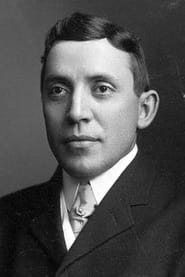
James Neill
Actor
Born: September 29, 1860 in Savannah, Georgia, United States Died: March 16, 1931 Active: 1913-1930
Films
8 films
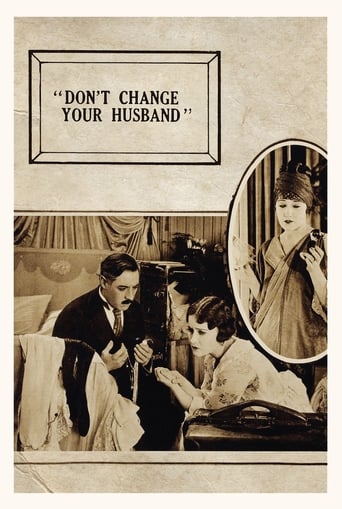
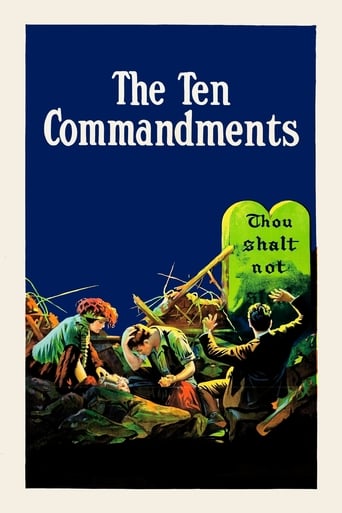
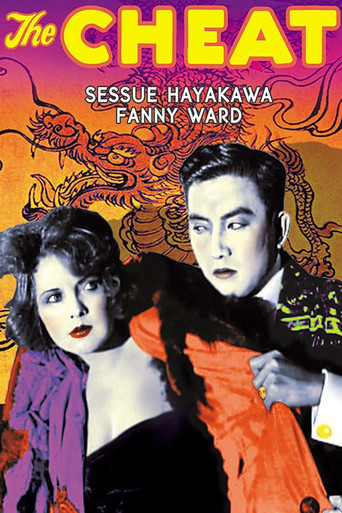

About James Neill
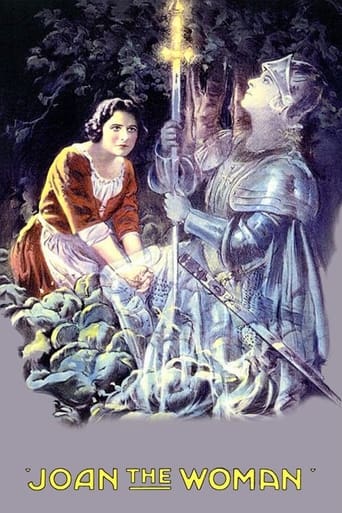
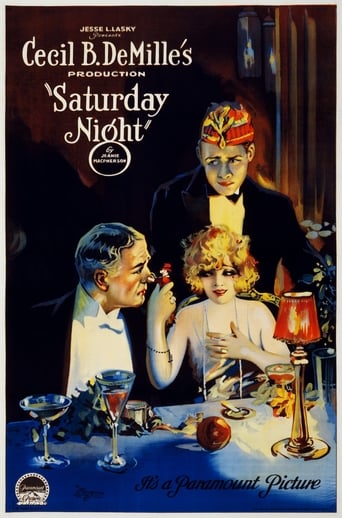
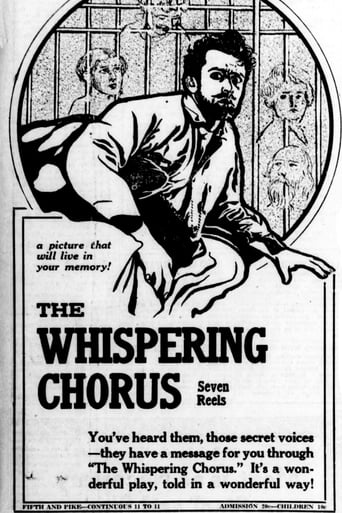
Character actor of the silent film era, renowned for his authoritative presence and versatile supporting roles. Born in Savannah, Georgia, he began his acting career on the stage before transitioning to motion pictures in the mid-1910s. Neill became a favored collaborator of director Cecil B. DeMille, appearing in numerous of the director's most significant early works including 'The Cheat' (1915), 'Joan the Woman' (1916), and 'The Whispering Chorus' (1918). His stern, patrician demeanor made him particularly effective as authority figures, often portraying judges, military officers, doctors, and fathers. Neill's career flourished throughout the 1910s and 1920s, with over 150 film appearances to his credit, making him prolific character actors of his generation. He successfully navigated the transition to sound films in the late 1920s, though his roles became less frequent as the studio system evolved. Neill continued acting until his death in 1931, leaving behind a substantial body of work that exemplifies the craftsmanship of early Hollywood character actors.
The Craft
On Screen
Neill was known for his dignified, authoritative presence and precise, understated acting technique. His stage background brought a theatrical gravitas to his film performances, characterized by controlled gestures and a commanding voice that translated well to sound films. He specialized in portraying men of authority and respectability, using his tall, imposing frame and stern countenance to create memorable characters with minimal dialogue. Neill's acting style embodied the transition from the exaggerated gestures of early silent film to the more naturalistic performances that would define the sound era.
Milestones
- Breakthrough role in Cecil B. DeMille's 'The Cheat' (1915)
- Memorable performance in 'Joan the Woman' (1916)
- Critical acclaim for 'The Whispering Chorus' (1918)
- Successful transition from stage to film acting
- Prolific career with over 150 film appearances
- Regular collaboration with major directors of the silent era
Best Known For
Iconic Roles
Must-See Films
Accolades
Special Recognition
- Recognized as one of Hollywood's most reliable character actors during the silent era
Working Relationships
Worked Often With
Studios
Why They Matter
Impact on Culture
James Neill represented the archetype of the reliable character actor who provided essential support to leading players and helped establish the credibility of dramatic situations in early cinema. His work with Cecil B. DeMille contributed to some of the most significant films of the silent era, helping to define the visual and dramatic language of American cinema. Neill's ability to convey authority and moral gravitas helped establish stock character types that would influence film acting for decades. His successful transition from stage to film exemplified the professional adaptation required of actors during cinema's formative years.
Lasting Legacy
James Neill's legacy lies in his substantial contribution to the foundation of Hollywood's character acting tradition. With over 150 film appearances, he helped establish the importance of supporting actors in creating believable cinematic worlds. His collaborations with Cecil B. DeMille resulted in some of the most technically and artistically significant films of the 1910s and 1920s. Neill's career shows the crucial role played by character actors in the development of classical Hollywood cinema, even as their names were less known to the general public than the stars they supported.
Who They Inspired
Neill's professional approach to character acting influenced subsequent generations of supporting actors in Hollywood. His ability to create distinct, memorable characters with limited screen time demonstrated the artistry possible in supporting roles. The authority and dignity he brought to his performances helped establish templates for portraying judges, doctors, military officers, and other figures of authority in American cinema. His successful career transition from silent films to talkies provided a model for other character actors facing the challenges of new technology.
Off Screen
James Neill married actress Edythe Chapman in 1897, and their partnership extended both on and off screen. The couple frequently appeared together in films, creating one of early Hollywood's most enduring acting partnerships. Neill was known for his professionalism and dedication to his craft, earning respect from colleagues and directors alike. He maintained a relatively private personal life, focusing primarily on his work and family. The Neills had no children of their own but were regarded as a devoted couple throughout their marriage until Neill's death in 1931.
Education
Educated in Savannah, Georgia; formal acting training through stage experience
Family
- Edythe Chapman (1897-1931)
Did You Know?
- Began his acting career on the stage at age 20, performing in traveling theater companies
- Made his film debut at the relatively advanced age of 53 in 1913
- Appeared in over 150 films during his 17-year film career
- Was married to actress Edythe Chapman for 34 years until his death
- Frequently played authority figures due to his tall stature and dignified bearing
- Worked with Cecil B. DeMille on more than a dozen films
- One of the few actors from the 1860s to successfully transition to sound films
- Often cast as the 'heavy' or antagonist in early films before specializing in authority figures
- His stage experience made him particularly adept at the theatrical acting style required in early cinema
- Died just as the full transition to sound films was transforming Hollywood
In Their Own Words
The stage taught me discipline, but film taught me subtlety. The camera sees everything, even when you say nothing.
In every picture, I try to bring dignity to the character, whether he's a judge or a villain. Respect for the craft is everything.
Frequently Asked Questions
Who was James Neill?
Prolific American character with credits in this catalog. DeMille films. With over 150 appearances between 1913 and 1930, he became one of Hollywood's most recognizable supporting actors, often portraying judges, military officers, and other authority figures.
What films is James Neill best known for?
Titles linked here include The Cheat (1915), Joan the Woman (1916).
When was James Neill born and when did he die?
Born September 29, 1860; died March 16, 1931.
What was James Neill's relationship to Cecil B. DeMille?
James Neill was one of Cecil B. DeMille's most trusted character actors, appearing in more than a dozen of the director's films during the 1910s and 1920s. DeMille repeatedly cast Neill in roles requiring authority and gravitas, making him an integral part of the director's creative team during his most productive period.
Did James Neill successfully transition to sound films?
Yes, James Neill successfully made the transition from silent films to talkies in the late 1920s. His stage background and clear speaking voice served him well in the new medium, though his output decreased in the final years of his career. He appeared in several sound films before his death in 1931.
Who was James Neill married to?
James Neill was married to actress Edythe Chapman from 1897 until his death in 1931. The couple frequently appeared together in films and were regarded as one of early Hollywood's most enduring professional and personal partnerships.