
Chester Barnett
Actor
Born: May 3, 1878 in San Francisco, California, USA Died: July 20, 1938 Active: 1914-1917
Films
3 films
About Chester Barnett
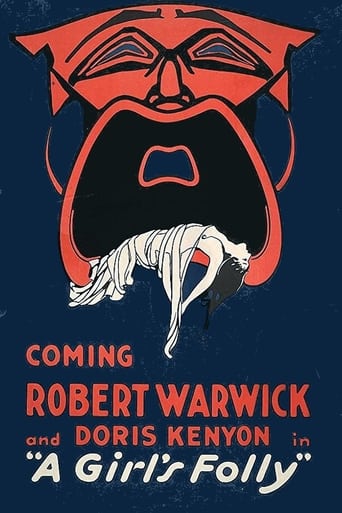
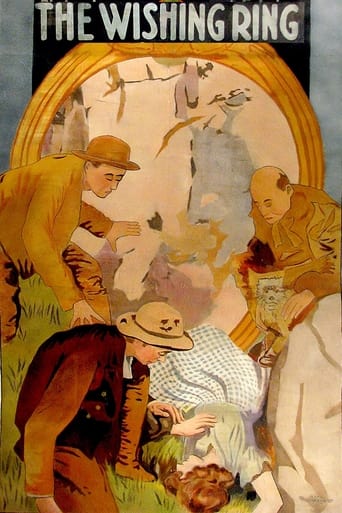
American silent film actor who graced the silver screen during the formative years of American cinema. Born in San Francisco in 1878, he entered the film industry during the transitional period when cinema was evolving from short novelty films to feature-length narratives. Barnett found his most significant success working under the direction of Maurice Tourneur, one of the era's most respected French directors who had immigrated to America. His performances in 'The Wishing Ring: An Idyll of Old England' (1914) and 'A Girl's Folly' (1917) showcased his ability to embody the romantic leading man archetype that was popular in early American cinema. Though his film career was relatively brief, spanning primarily from 1914 to 1917, Barnett contributed to several important early American productions that helped establish narrative filmmaking conventions. His work exemplified the theatrical acting style of the period, which emphasized broad gestures and expressive facial features to convey emotion without the benefit of synchronized sound. After his acting career waned, Barnett remained in the Los Angeles area until his death in 1938, having witnessed the dramatic transformation of the film industry from silent pictures to the talkies era.
The Craft
On Screen
Barnett employed the theatrical acting style typical of the silent era, characterized by exaggerated gestures and expressive facial features to compensate for the lack of dialogue. His performances emphasized broad emotional expressions and physical movements that could be clearly understood by audiences. Like many actors transitioning from stage to screen during this period, Barnett's technique incorporated dramatic poses and deliberate pacing that allowed viewers to process character motivations and emotional states without verbal cues.
Milestones
- Starred in 'The Wishing Ring: An Idyll of Old England' (1914)
- Appeared in 'A Girl's Folly' (1917)
- Frequent collaborator with director Maurice Tourneur
- Participated in early American feature film development
- Represented the romantic leading man type in silent cinema
Best Known For
Iconic Roles
Must-See Films
Accolades
Special Recognition
- Contributor to early American cinema development
Working Relationships
Worked Often With
Studios
Why They Matter
Impact on Culture
Chester Barnett's contributions to early American cinema, while not widely recognized today, were part of the foundational development of narrative filmmaking in the United States. His work with director Maurice Tourneur during the mid-1910s coincided with a crucial period when American cinema was establishing its own identity separate from European influences. The films he appeared in, particularly 'The Wishing Ring,' represented the growing sophistication of American storytelling and production values that would eventually establish Hollywood as the global center of cinema. Barnett's performances helped establish the archetype of the romantic leading man in American silent films, a template that would be refined by subsequent generations of actors.
Lasting Legacy
Chester Barnett's legacy is preserved through his surviving film work, which serves as important documentation of early American cinematic techniques and storytelling approaches. His films, particularly those directed by Maurice Tourneur, are studied by film historians as examples of the artistic development occurring in American cinema during the mid-1910s. While Barnett himself did not achieve lasting fame, his contribution to the establishment of narrative feature films in America remains significant. His work represents the bridge between the primitive cinema of the 1900s and the sophisticated Hollywood studio system that would emerge in the 1920s.
Who They Inspired
As an actor during the formative years of American cinema, Chester Barnett's influence was primarily in helping to establish acting conventions and character archetypes that would become standard in silent film. His collaboration with Maurice Tourneur contributed to the development of a more naturalistic acting style that would influence subsequent generations of film actors. While he did not mentor specific individuals who went on to greater fame, his performances were part of the collective body of work that helped define the language of cinema acting during its crucial developmental period.
Off Screen
Limited information is available about Chester Barnett's personal life outside of his film career. He was born in San Francisco during the city's early development years and later relocated to Los Angeles to pursue opportunities in the burgeoning film industry. After his acting career concluded in the late 1910s, he remained in the Hollywood area until his death in 1938, having witnessed the complete transformation of the film industry from silent pictures to sound films. Details about his family life, relationships, or activities outside of acting have not been well documented in historical records.
Did You Know?
- Born in San Francisco just three years after the city's founding
- His film active years covered only four years but included several significant productions
- Worked extensively with French director Maurice Tourneur, who was influential in bringing European cinematic techniques to America
- 'The Wishing Ring' was one of the early American films to receive critical acclaim in Europe
- Appeared in films during the transitional period when American cinema was shifting from short films to feature-length productions
- His acting career ended before the Hollywood studio system was fully established
- Lived long enough to witness the complete transition from silent films to talkies
- Died in Hollywood at age 60, having seen the film industry transform dramatically throughout his adult life
Frequently Asked Questions
Who was Chester Barnett?
American silent film with credits in this catalog. He frequently collaborated with director Maurice Tourneur and appeared in significant productions like 'The Wishing Ring' (1914) and 'A Girl's Folly' (1917).
What films is Chester Barnett best known for?
Titles linked here include The Wishing Ring: An Idyll of Old England (1914), A Girl's Folly (1917).
When was Chester Barnett born and when did he die?
Born May 3, 1878; died July 20, 1938.
What awards did Chester Barnett win?
There are no recorded awards or nominations for Chester Barnett, as he worked during the early years of American cinema before the establishment of major award ceremonies like the Academy Awards.
What was Chester Barnett's acting style?
Barnett employed the theatrical acting style typical of the silent era, characterized by exaggerated gestures and expressive facial features to convey emotion without dialogue. His performances reflected the transition from stage acting to the more subtle techniques that would later develop in cinema.
Who did Chester Barnett frequently work with?
Barnett most frequently collaborated with French director Maurice Tourneur, who was an influential figure in early American cinema. Their partnership produced several significant films that helped establish American cinematic storytelling conventions.