Films
1 film
About Janet Adair
American actress who worked briefly during the silent film era in the early 20th century. Her career appears to have been exceptionally short, with documented work limited to the year 1917. She is known primarily for her role in Maurice Tourneur's film 'A Girl's Folly,' which was one of the early films to explore the movie industry itself as a subject. Like many actors from this period, her career was likely affected by the transition to sound films and the rapidly changing nature of the early Hollywood studio system. Her brief appearance in cinema history represents the countless performers who contributed to the foundation of American film but whose careers were fleeting. The lack of extensive documentation about her life and career is typical of many supporting actors from the silent era whose contributions were significant but not widely recorded.
The Craft
Milestones
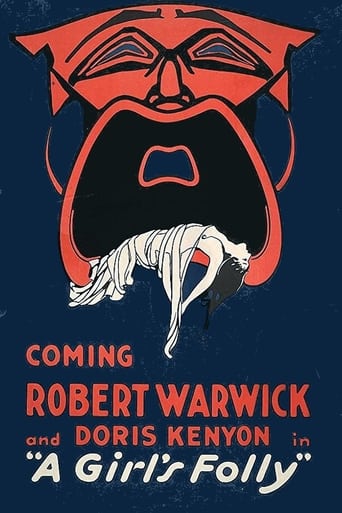
- Appeared in 'A Girl's Folly' (1917) directed by Maurice Tourneur
- Worked during the formative years of American cinema
Best Known For
Must-See Films
Working Relationships
Worked Often With
Studios
Why They Matter
Impact on Culture
Janet Adair's contribution to cinema, while brief, represents the collective effort of countless early film actors who helped establish the foundations of American cinema. Her appearance in 'A Girl's Folly' places her within the context of early Hollywood's exploration of meta-cinematic themes, as the film was one of the first to examine the film industry itself. Though her individual impact was limited, she was part of the generation of actors who transitioned from stage to screen and helped develop the language of film acting during its formative years.
Lasting Legacy
Janet Adair's legacy is primarily preserved through her appearance in 'A Girl's Folly,' which remains a notable film from 1917 for its self-referential look at the movie industry. While she did not achieve lasting fame, her work contributes to our understanding of the types of performers who populated early American cinema. She represents the many actors whose careers were brief but who nonetheless played their part in the development of film as an art form. Her story illustrates the transient nature of early Hollywood careers and the vast number of performers who have been largely lost to film history.
Who They Inspired
Due to her brief career, Janet Adair's direct influence on subsequent generations of actors and filmmakers is not documented. However, like all early film performers, she contributed to the evolving techniques of screen acting during a crucial period of cinematic development. Her work in the silent era helped establish precedents that would influence future performers, even if her individual contributions were not widely recognized or recorded.
Off Screen
Very little is documented about Janet Adair's personal life, which is common for many supporting actors from the silent era whose careers were brief and whose personal details were not extensively recorded in historical archives.
Did You Know?
- Her entire documented film career lasted only one year (1917)
- She appeared in 'A Girl's Folly,' which was directed by renowned French filmmaker Maurice Tourneur
- The film she appeared in was one of the early movies to be about the movie business itself
- Like many silent era actors, her career appears to have ended before the transition to sound films
- Her film was produced by Paragon Films, a production company active in the 1910s
- The film 'A Girl's Folly' survives today and is available for viewing by film historians
- Her lack of extensive documentation is typical of many supporting actors from the silent era
- She represents the countless performers who contributed to early cinema but whose personal histories remain largely unknown
Frequently Asked Questions
Who was Janet Adair?
American actress who worked briefly during the silent film era, appearing in at least one film in 1917. She is primarily known for her role in Maurice Tourneur's 'A Girl's Folly.' Her career appears to have been exceptionally short, with documented work limited to that single year.
What films is Janet Adair best known for?
Titles linked here include A Girl's Folly (1917).
When was Janet Adair born and when did she die?
Unfortunately, Janet Adair's birth and death dates are not documented in available historical records. This lack of personal information is common for many supporting actors from the silent era whose lives were not extensively preserved in film archives.
What awards did Janet Adair win?
There are no documented awards or nominations for Janet Adair. Given her brief career during the early silent era, formal award systems for film performances were not yet established, and her role as a supporting actor would not have typically received such recognition even if they had been.
What was Janet Adair's acting style?
Due to the limited documentation of her work and the fact that only one film role is confirmed, Janet Adair's specific acting style is not well-documented. Like most actors of the silent era, she would have used exaggerated gestures and facial expressions to convey emotion, as was typical of screen acting during this period.