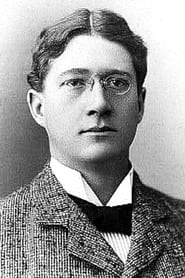
William P. Carleton
Actor
Born: October 3, 1872 in London, England Died: April 9, 1947 Active: 1890s-1940s (Stage), 1920-1922 (Film) Birth Name: William Percival Carleton
Films
2 films
About William P. Carleton
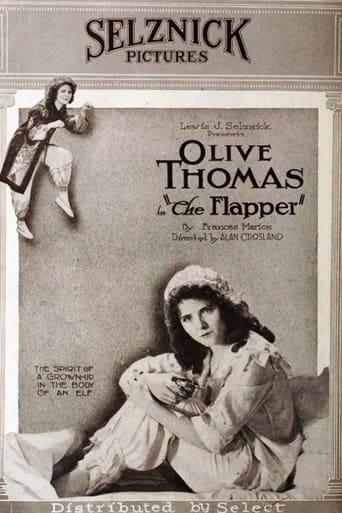
American stage and film actor who successfully transitioned from a theater career to silent cinema in the early 1920s. Born into a theatrical family, he began his career on the legitimate stage, touring with various stock companies and building a reputation as a reliable character actor. His transition to films came at the relatively advanced age of 48, when the burgeoning film industry began recruiting experienced stage actors to lend credibility to motion pictures. Carleton appeared in approximately 15-20 silent films between 1920 and 1922, often playing authoritative figures such as fathers, businessmen, and aristocrats due to his dignified bearing and mature appearance. His most notable screen roles came in 1920's 'The Flapper' starring Olive Thomas, where he played the concerned father, and 1922's 'The Worldly Madonna.' Despite his brief film career, Carleton brought theatrical gravitas to his performances, helping legitimize the still-emerging art form of cinema. After his film career ended, he returned to his first love, the stage, continuing to perform in theatrical productions until his health began to fail in the mid-1940s.
The Craft
On Screen
Carleton employed a classical, theatrical acting style honed through decades of stage experience, characterized by precise diction, dignified posture, and expressive gestures that translated well to the silent medium. His approach emphasized clear emotional communication through facial expressions and body language, essential for silent film storytelling. Unlike many contemporary film actors who adopted more naturalistic styles, Carleton maintained a theatrical gravitas that lent authority to his roles as patriarchs, judges, and society figures.
Milestones
- Stage debut in London's West End (1890s)
- Immigrated to United States and joined American theater circuit
- Film debut in 'The Flapper' (1920)
- Key supporting role in 'The Worldly Madonna' (1922)
- Returned to stage after film career
- Final theatrical performances in early 1940s
Best Known For
Iconic Roles
Must-See Films
Accolades
Special Recognition
- Theatrical recognition for stage performances in London and New York
Working Relationships
Worked Often With
Studios
Why They Matter
Impact on Culture
William P. Carleton represents an important transitional figure in early American cinema, exemplifying the migration of legitimate stage talent to Hollywood during the silent era. His presence in films helped bridge the cultural gap between theater and cinema, bringing theatrical respectability to the new medium. As an older, experienced actor entering films, he demonstrated that cinema could accommodate performers of all ages, not just the young stars who dominated early Hollywood. His dignified portrayals of father figures and authority characters helped establish archetypal roles that would continue throughout film history.
Lasting Legacy
Though his film career was brief, William P. Carleton's legacy lies in his role as a pioneer among stage actors who successfully transitioned to cinema during its formative years. He represents the generation of classically trained performers who brought artistic legitimacy to silent films, helping elevate the medium from mere entertainment to art. His performances in films like 'The Flapper' serve as valuable examples of how theatrical techniques were adapted for the screen, influencing subsequent generations of character actors. Carleton's career also illustrates the common pattern of early film actors who maintained their primary allegiance to the theater, viewing film work as supplementary to their stage careers.
Who They Inspired
Carleton influenced younger actors by demonstrating how classical training could enhance screen performances, particularly in conveying emotion without dialogue. His dignified approach to character roles helped establish templates for father figures and authority characters in American cinema. While he didn't directly mentor future film stars, his work ethic and professionalism set standards that influenced the emerging film industry's approach to casting experienced character actors. His success in transitioning from stage to screen paved the way for other theatrical performers to enter cinema during the 1920s.
Off Screen
William P. Carleton married actress and fellow performer Margaret Lorraine in 1904, and their union lasted until his death in 1947. The couple frequently performed together in theatrical productions during the early 1900s, with Margaret often taking leading lady roles opposite William's character parts. They settled in New York City, maintaining homes both in Manhattan and a country residence in Connecticut where they hosted theatrical gatherings. Carleton was known in theatrical circles for his erudition and collection of rare books, particularly first editions of Shakespearean works. He was also an active member of several theatrical benevolent societies, helping support aging performers who had fallen on hard times.
Education
Educated in London schools, received theatrical training at London Academy of Music and Dramatic Art (LAMDA) equivalent institutions of the period
Family
- Margaret Lorraine (1904-1947)
Did You Know?
- Began his stage career as a child actor in London
- Was already in his late 40s when he made his film debut
- Spoke with a distinctive British accent throughout his American career
- Was a member of the Actors' Equity Association from its founding in 1913
- Owned one of the largest private collections of theatrical memorabilia in New York
- Turned down several leading man roles in favor of character parts
- Was considered for the role of Professor Moriarty in early Sherlock Holmes films
- Appeared in at least one Broadway production every decade from the 1890s to the 1930s
- Was a founding member of The Players Club's theatrical committee
- His wife Margaret Lorraine was a successful playwright in addition to acting
In Their Own Words
The stage is our mother, but the cinema is our promising child - we must nurture both with equal care.
In silence, the actor's face must speak volumes; in theater, the voice carries the soul.
Age is no barrier to art, merely a different perspective from which to view it.
Frequently Asked Questions
Who was William P. Carleton?
British-American with credits in this catalog. He was best known for playing dignified character roles and authority figures in films like 'The Flapper' (1920) and 'The Worldly Madonna' (1922).
What films is William P. Carleton best known for?
Titles linked here include The Flapper (1920), The Worldly Madonna (1922).
When was William P. Carleton born and when did he die?
Born October 3, 1872; died April 9, 1947.
What awards did William P. Carleton win?
While William P. Carleton received recognition for his theatrical work during his lifetime, he did not receive major film awards as his cinema career was brief and occurred before the establishment of many film honors. His primary recognition came from stage performances and theatrical societies.
What was William P. Carleton's acting style?
Carleton employed a classical, theatrical acting style characterized by precise diction, dignified posture, and expressive gestures honed through decades of stage experience. He brought theatrical gravitas to his film roles, particularly excelling at portraying authority figures and patriarchs with emotional depth and clarity.
Did William P. Carleton continue acting after his film career ended?
Yes, after concluding his film work in 1922, Carleton returned to his primary passion, the theater, and continued performing in stage productions throughout the 1920s and 1930s. He remained active in theatrical circles until health issues forced his retirement in the early 1940s.
Was William P. Carleton married?
Yes, William P. Carleton was married to actress Margaret Lorraine from 1904 until his death in 1947. The couple frequently performed together in theatrical productions and were well-known in New York theatrical circles.