
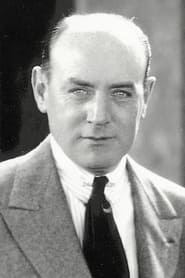
John Francis Dillon
Actor & Director
Born: July 13, 1884 in New York City, New York, USA Died: January 4, 1937 Active: 1914-1931
Films
6 films

About John Francis Dillon
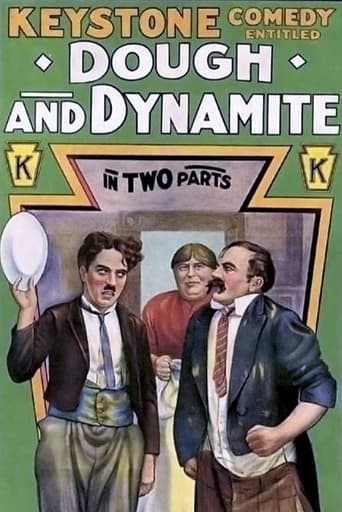
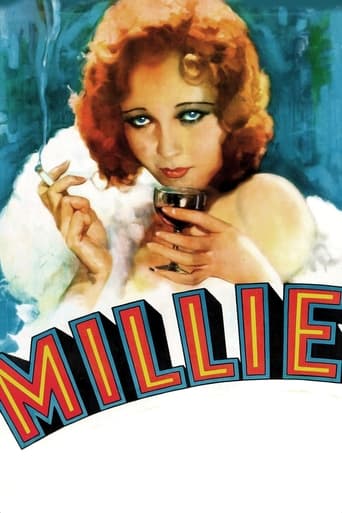
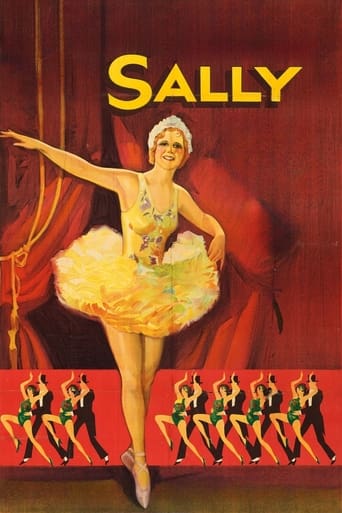
Prominent figure in early Hollywood cinema, beginning his career as an actor in silent comedies before transitioning to become a successful director during the transition from silent films to talkies. Born in New York City in 1884, Dillon started his film career working with comedy legend Charlie Chaplin, appearing in several Keystone comedies including 'Dough and Dynamite' (1914). His directorial career flourished in the 1920s, where he helmed numerous popular films, particularly working with actress Constance Talmadge in several successful productions. Dillon demonstrated remarkable versatility, directing comedies, dramas, and musicals, showcasing his ability to adapt to different genres and the changing technological landscape of cinema. He directed notable films such as 'Suds' (1920) starring Mary Pickford, 'Sally' (1929) featuring Marilyn Miller, and 'Millie' (1931) with Helen Twelvetrees. His the crucial transitional period of Hollywood, making him one of the directors who successfully navigated the shift from silent cinema to sound films. Dillon continued directing until his death in 1937, leaving behind a legacy of over 80 directorial credits that helped shape early American cinema.
The Craft
On Screen
As an actor, Dillon specialized in comedic roles during the silent era, particularly in slapstick comedies. His style was typical of the Keystone Comedy approach, emphasizing physical humor and exaggerated gestures. He worked effectively in ensemble casts and had good timing for visual gags, though his acting career was relatively brief compared to his later success as a director.
Behind the Camera
Dillon was known for his efficient, workmanlike approach to filmmaking, making him a favorite among studio producers. He had a particular talent for directing actresses, bringing out strong performances from leading ladies like Mary Pickford and Constance Talmadge. His directing style was technically proficient and commercially oriented, focusing on clear storytelling and audience appeal. During the transition to sound, he demonstrated adaptability, successfully directing musicals and dialogue-heavy pictures while maintaining the visual storytelling skills honed during the silent era.
Milestones
- Appeared in Charlie Chaplin's 'Dough and Dynamite' (1914)
- Directed Mary Pickford in 'Suds' (1920)
- Successfully transitioned from silent films to talkies
- Directed the hit musical 'Sally' (1929) starring Marilyn Miller
- Worked with major stars of the era including Constance Talmadge, Mary Pickford, and Helen Twelvetrees
- Directed over 80 films during his career
- Established himself as a reliable studio director during the Golden Age of Hollywood
Best Known For
Iconic Roles
Must-See Films
Accolades
Special Recognition
- Star on Hollywood Walk of Fame for his contributions to motion pictures
Working Relationships
Worked Often With
Studios
Why They Matter
Impact on Culture
John Francis Dillon played a significant role in the development of American cinema during its crucial transition from silent films to talkies. His work with major stars like Mary Pickford in 'Suds' helped establish conventions of star-driven filmmaking that would define Hollywood's golden age. As one of the directors who successfully navigated the technical and artistic challenges of the sound transition, Dillon contributed to the evolution of film language and storytelling techniques. His prolific output of over 80 films helped build the foundation of American studio cinema, demonstrating the efficiency and reliability that would become hallmarks of the Hollywood system. His collaborations with actresses helped shape early representations of women in cinema, particularly in comedies and melodramas.
Lasting Legacy
Dillon's legacy lies in his substantial contribution to early Hollywood cinema as both an actor and director, particularly his role in bridging the silent and sound eras. While not as widely remembered as some of his contemporaries, his work with major stars and his prolific output during cinema's formative decades make him an important figure in film history. His films remain valuable artifacts for understanding the evolution of American cinema, particularly the transition to sound and the development of the studio system. His ability to work across genres and with different stars demonstrated the versatility required of successful directors during Hollywood's early years.
Who They Inspired
Dillon influenced subsequent generations of studio directors through his efficient, commercially successful approach to filmmaking. His work with actresses helped establish techniques for directing female performers in both comedy and drama. His successful transition from silent films to talkies provided a model for other directors facing the technological and artistic challenges of sound cinema. His collaborations with major stars contributed to the development of the star system that would dominate Hollywood for decades.
Off Screen
John Francis Dillon was married to actress Edith Boreen, with whom he had a daughter. His marriage to Boreen connected him to Hollywood's inner circle, as she was the sister of actress Louise Fazenda. Dillon was known as a hard-working, reliable professional in the studio system, which contributed to his longevity and consistent employment during the competitive early Hollywood era. He passed away at the age of 52 in 1937, cutting short a productive career that had spanned nearly two decades of American cinema's formative years.
Education
Educational background not widely documented, typical of many early film pioneers who learned their craft through practical experience rather than formal training
Family
- Edith Boreen (married until his death in 1937)
Did You Know?
- Began his film career as an actor in Mack Sennett's Keystone comedies
- Appeared in the iconic Charlie Chaplin short 'Dough and Dynamite' (1914)
- Directed over 80 films during his relatively short career
- Successfully made the transition from silent films to talkies
- Worked with some of the biggest stars of his era including Mary Pickford and Marilyn Miller
- His sister-in-law was actress Louise Fazenda
- Was one of the few directors who worked with both Mary Pickford and Constance Talmadge
- Died at age 52, cutting short a productive career
- Many of his films are now considered lost, a common fate for early cinema
- His directing style was particularly praised for its ability to showcase actresses
In Their Own Words
The secret to directing is knowing what you want and getting it from your actors efficiently.
Frequently Asked Questions
Who was John Francis Dillon?
American actor and on YTB.my. He began as an actor in Keystone comedies before becoming a prolific director, working with major stars like Mary Pickford and Marilyn Miller.
What films is John Francis Dillon best known for?
When was John Francis Dillon born and when did he die?
Born July 13, 1884; died January 4, 1937.
What awards did John Francis Dillon win?
While no major Academy Awards or significant industry awards are documented for Dillon, he received a star on the Hollywood Walk of Fame in recognition of his contributions to motion pictures.
What was John Francis Dillon's directing style?
Dillon was known for his efficient, workmanlike approach to filmmaking with a particular talent for directing actresses. His style was commercially oriented, focusing on clear storytelling and audience appeal, and he successfully adapted to the transition from silent films to talkies.