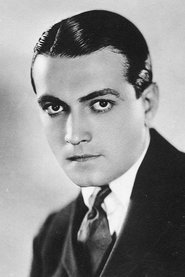
Richard Barthelmess
Actor
Born: May 9, 1895 in New York City, New York, USA Died: August 17, 1963 Active: 1916-1942 Birth Name: Richard Sempler Barthelmess
Films
12 films
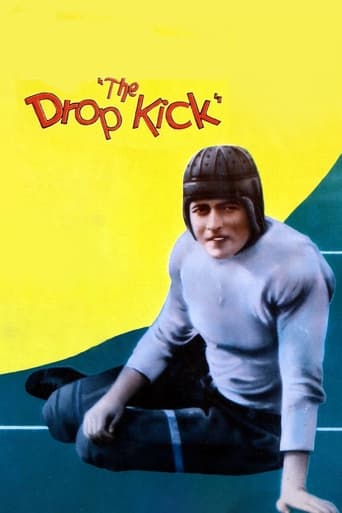

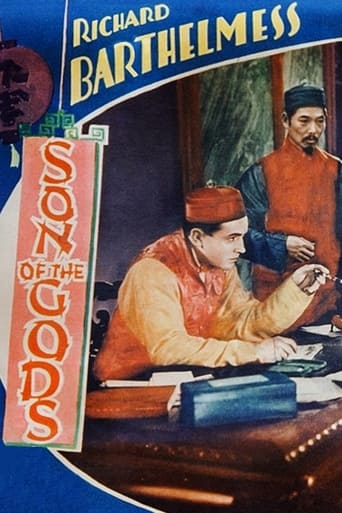
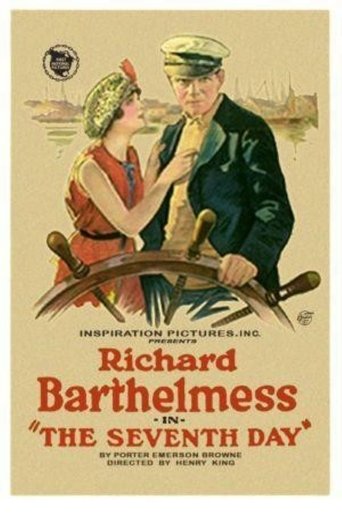
About Richard Barthelmess
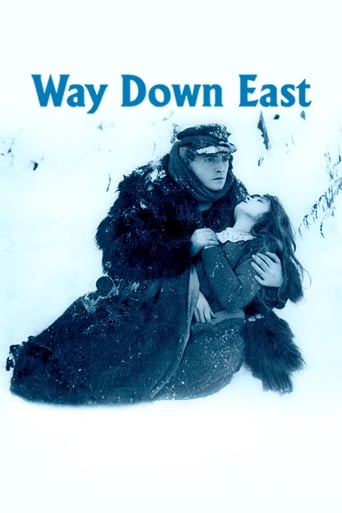
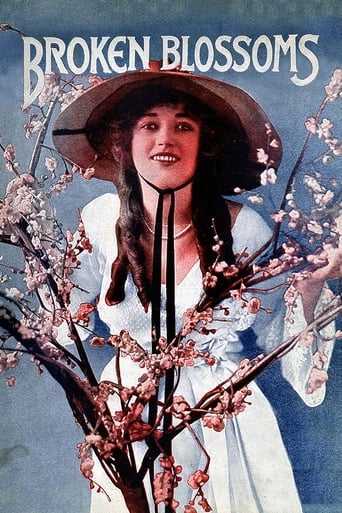
Richard Barthelmess was actors of the silent era, discovered by actress Alla Nazimova while performing in theatrical productions. He rose to international stardom through his collaborations with director D.W. Griffith, particularly in the critically acclaimed films 'Broken Blossoms' (1919) and 'Way Down East' (1920). Barthelmess was one of the founding members of the Academy of Motion Picture Arts and Sciences and received the very first Academy Award nomination for Best Actor in 1929. He successfully transitioned to sound films, earning another Oscar nomination for 'The Patent Leather Kid' (1927). During World War II, he served as a lieutenant in the Naval Reserve and received the Flying Cross for his service. After his film career declined in the 1930s, he retired from acting and became a successful businessman. He passed away in 1963, leaving behind a legacy as one of cinema's earliest and most respected leading men.
The Craft
On Screen
Richard Barthelmess was renowned for his naturalistic and understated acting style, which stood in stark contrast to the exaggerated theatrical performances common in silent films. He brought remarkable subtlety and emotional authenticity to his roles, often portraying sensitive, vulnerable characters with depth and nuance. His ability to convey complex emotions through minimal gestures and expressions made him particularly effective in close-ups, a technique Griffith frequently utilized. Barthelmess's approach emphasized psychological realism over melodramatic flourishes, helping to establish a more modern, naturalistic style of screen acting that would influence generations of performers.
Milestones
- Breakthrough role in D.W. Griffith's 'Broken Blossoms' (1919)
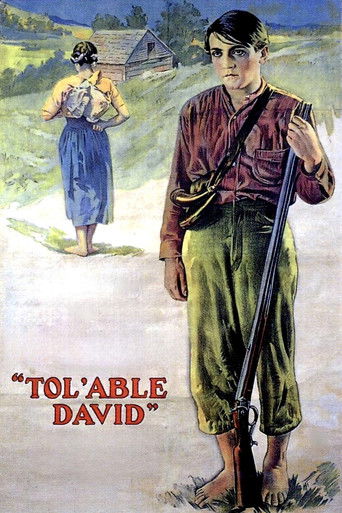
- Starred in the critically acclaimed 'Tol'able David' (1921)
- Received first-ever Academy Award nomination for Best Actor (1929)
- Co-founded the Academy of Motion Picture Arts and Sciences (1927)
- Earned second Oscar nomination for 'The Patent Leather Kid' (1927)
- Successfully transitioned from silent films to talkies
- Received an honorary Academy Award for his career contributions (1940)
Best Known For
Iconic Roles
Must-See Films
Accolades
Won
- Academy Honorary Award (1940)
- Flying Cross (World War II military decoration)
Nominated
- Academy Award for Best Actor for 'The Patent Leather Kid' and 'The Noose' (1929, first ceremony)
- Academy Award for Best Actor for 'Tol'able David' (1929, first ceremony)
Special Recognition
- Founding member of the Academy of Motion Picture Arts and Sciences
- Star on the Hollywood Walk of Fame (located at 6800 Hollywood Boulevard)
- Inducted into the Hall of Fame of Great Western Performers
- Military honors including Flying Cross for WWII service
Working Relationships
Worked Often With
Studios
Why They Matter
Impact on Culture
Richard Barthelmess played a pivotal role in the evolution of screen acting from theatrical melodrama to naturalistic performance. His subtle, understated style in films like 'Broken Blossoms' helped establish a new standard for cinematic acting that would become the industry norm. As one of the 36 founding members of the Academy of Motion Picture Arts and Sciences, he helped create the institution that would become synonymous with cinematic excellence. His successful transition from silent films to talkies demonstrated that actors could maintain their stardom across this technological divide, providing a model for others to follow. Barthelmess also represented the ideal of the sensitive, introspective leading man, expanding the range of masculine archetypes available in American cinema.
Lasting Legacy
Richard Barthelmess's legacy endures through his contributions to screen acting and the film industry's institutional framework. His naturalistic performance style helped bridge the gap between stage acting and the more intimate medium of film, influencing generations of actors who followed. As a founding member of AMPAS, he helped establish the Academy Awards, which continue to be the most prestigious recognition in cinema. His films, particularly 'Broken Blossoms' and 'Tol'able David,' remain classics of silent cinema studied by film scholars worldwide. Beyond his artistic contributions, his military service and subsequent business success demonstrated the multifaceted capabilities of Hollywood professionals, challenging stereotypes about actors' limitations outside their craft.
Who They Inspired
Barthelmess's naturalistic acting approach directly influenced the transition away from theatrical performance styles in cinema. His subtle technique and emotional authenticity paved the way for more realistic performances in sound films. Actors like Gary Cooper, James Stewart, and even later method practitioners built upon the foundation of naturalism that Barthelmess helped establish. His successful navigation of the silent-to-sound transition provided a blueprint for other actors facing similar technological disruptions. Additionally, his involvement in founding the Academy created a precedent for industry professionals taking active roles in shaping their field's standards and recognition systems.
Off Screen
Richard Barthelmess came from a theatrical family; his mother was an actress and his father a theater manager. He attended Trinity School in New York and later studied at Hudson River Military Academy. Barthelmess was known for his professionalism and dedication to his craft, often performing his own stunts. During World War II, he put his acting career on hold to serve his country as a lieutenant in the Naval Reserve, where he flew dangerous missions and earned the Flying Cross. After retiring from films, he became a successful businessman and lived quietly with his second wife in Southampton, New York, until his death from cancer in 1963.
Education
Trinity School in New York City, Hudson River Military Academy
Family
- Mary Hay (1920-1927)
- Jessica Stewart Sargent (1928-1963)
Did You Know?
- He was one of the 36 founding members of the Academy of Motion Picture Arts and Sciences in 1927
- Received the very first Academy Award nomination for Best Actor at the inaugural 1929 ceremony
- His mother, Caroline W. Harris, was a prominent stage actress
- He was discovered by Alla Nazimova while performing in a stage production
- Barthelmess performed many of his own stunts, including dangerous scenes in 'Way Down East' where he floated on ice floes
- During WWII, he served as a lieutenant in the Naval Reserve and flew 25 combat missions
- He was paid $2,500 per week in 1920, equivalent to over $35,000 today
- His 1921 film 'Tol'able David' was preserved in the National Film Registry in 2007
- He retired from acting after appearing in 'Only Angels Have Wings' (1939) and 'Two Yanks in Trinidad' (1942)
- His honorary Academy Award in 1940 cited his 'versatile and brilliant performances' and ' contribution to the art of motion pictures'
In Their Own Words
Acting is not being emotional, but being able to express emotion.
The camera is a confessional box. It sees everything, even what you try to hide.
In silent pictures, the actor had to be his own director, his own writer, his own musician.
I never wanted to be a star. I wanted to be an actor. There's a difference.
The transition to sound was difficult for many, but acting is acting, whether you speak or not.
Frequently Asked Questions
Who was Richard Barthelmess?
American actor of the silent era and early sound period, best known for his naturalistic acting style and collaborations with on YTB.my.W. Griffith. He was one of the founding members of the Academy of Motion Picture Arts and Sciences and received the first-ever Best Actor Oscar nomination.
What films is Richard Barthelmess best known for?
Titles linked here include Broken Blossoms (1919), Tol'able David (1921).
When was Richard Barthelmess born and when did he die?
Born May 9, 1895; died August 17, 1963.
What awards did Richard Barthelmess win?
Barthelmess received two Academy Award nominations for Best Actor and was awarded an honorary Academy Award in 1940 for his contributions to motion pictures. He also earned the Flying Cross for his military service during World War II.
What was Richard Barthelmess's acting style?
Barthelmess pioneered a naturalistic, understated acting style that contrasted with the theatrical performances common in silent films. He emphasized subtle emotional expression, psychological realism, and minimal gestures, helping establish modern screen acting techniques.
Did Richard Barthelmess successfully transition to sound films?
Yes, Barthelmess successfully transitioned from silent to sound films, earning his second Oscar nomination for 'The Patent Leather Kid' (1927) and continuing his career in notable talkies like 'The Dawn Patrol' (1930) and 'Only Angels Have Wings' (1939).
What was Richard Barthelmess's role in founding the Academy Awards?
Barthelmess was one of the 36 founding members of the Academy of Motion Picture Arts and Sciences in 1927, helping establish the organization that would create and present the Academy Awards, cinema's most prestigious honors.