Films
3 films
About Dorothy Revier
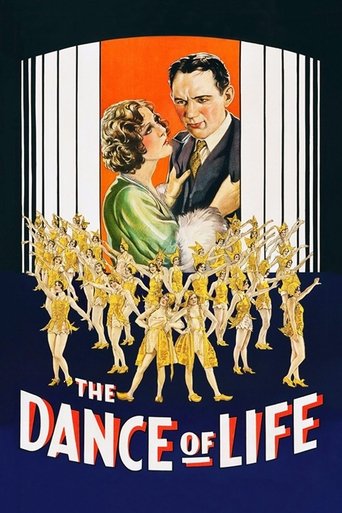
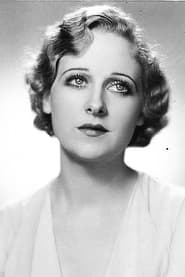
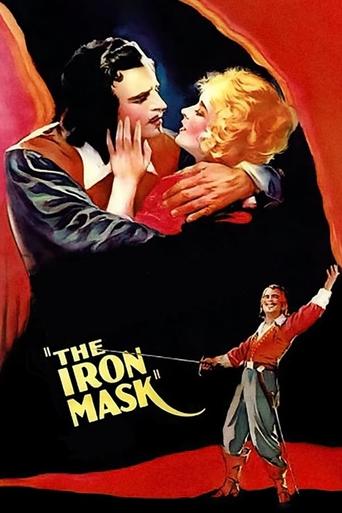
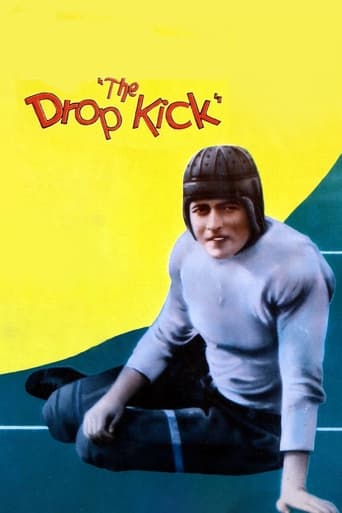
American silent-film actress: screen career was concentrated in the late 1920s, when she appeared in a number of popular features and supporting roles during the transition from silent pictures to sound. She is best remembered by classic-film researchers for appearances in titles such as The Drop Kick (1927), The Dance of Life (1929), and The Iron Mask (1929), which place her squarely within the final years of the silent era and the earliest phase of talkies. Like many actresses of her period, she worked in an industry that moved quickly and often left limited biographical documentation behind, so much of her surviving record is tied to her film credits rather than extensive studio publicity. Her filmography suggests that she was a reliable screen performer used in contemporary dramas and melodramas, contributing to the ensemble texture that was essential to studio-era production. Available records indicate that her career was brief compared with more famous stars of the era, and she appears to have left film acting soon after the late-1920s shift to sound. Because of the scarcity of corroborated personal records, many details of her private life remain uncertain, but her name survives in film histories and databases dedicated to silent and early sound cinema. She remains a useful example of the many working actresses whose careers helped sustain the silent screen even though they did not become enduring marquee names.
The Craft
On Screen
Specific contemporary reviews and detailed studio commentary on Dorothy Revier's technique are limited, but her work in late-1920s features suggests the restrained, expressive performance style common to silent and transitional cinema. Her roles likely relied on clear facial expression, physical poise, and the ability to convey character quickly within ensemble scenes. In the silent and early sound periods, performers like Revier were valued for adaptability, photogenic presence, and dependable support work rather than star-driven showiness. Her surviving film record indicates a practical studio performer rather than a flamboyant personality-centered style.
Milestones
- Appeared in The Drop Kick (1927), a late-silent-era sports-themed feature that helped establish her screen presence.
- Worked in The Dance of Life (1929), one of the transitional-era films linking silent technique with early sound-era storytelling.
- Appeared in The Iron Mask (1929), a prestige production associated with the concluding years of the silent spectacle tradition.
- Built a screen career during the highly competitive final phase of silent Hollywood, when studios frequently cast adaptable supporting players in a wide range of genres.
- Represents the cohort of actresses whose work bridged the silent-to-sound transition, even if their careers did not continue prominently into the 1930s.
Best Known For
Iconic Roles
Must-See Films
Working Relationships
Studios
Why They Matter
Impact on Culture
Dorothy Revier's cultural impact lies less in superstar celebrity than in her representative role within the working fabric of late silent Hollywood. Performers like Revier were essential to the studio system because they filled important supporting roles across genres, helping films feel complete, dynamic, and socially textured. Her credits in films such as The Drop Kick, The Dance of Life, and The Iron Mask situate her in productions that are frequently revisited by scholars and enthusiasts interested in the final flowering of silent cinema and the immediate pre-Code transition into sound. Although she was not a headline icon, her preserved filmography contributes to the broader understanding of how Hollywood functioned during one of its most dramatic technological shifts.
Lasting Legacy
Her legacy is primarily archival and historical: she is part of the large group of silent-era and early talkie performers whose names survive through film credits, trade listings, and database entries rather than through extensive surviving biographical publicity. For historians, actresses like Dorothy Revier are important because they illustrate the breadth of talent that supported studio filmmaking beyond the handful of internationally famous stars. Her presence in late-1920s productions also makes her a small but meaningful figure in tracing the transition from silent acting conventions to the more naturalistic screen performances demanded by sound cinema. In that sense, her legacy is the preservation of a working actress's contribution to classic film history.
Who They Inspired
There is no strong evidence that Dorothy Revier directly mentored major later stars or that she exerted a documented stylistic influence on prominent directors or actors. Her influence is instead indirect, embodied in the example of the many capable supporting performers whose work made silent and early sound productions viable. By participating in films from the industry's transition period, she belongs to the lineage of actors whose screen craft helped establish continuity between the expressive traditions of silent cinema and the more dialogue-centered techniques that followed. Her contribution is therefore best understood as part of the collective performance culture of early Hollywood rather than as a singular star influence.
Off Screen
There is very little reliably documented public information about Dorothy Revier's personal life in the surviving mainstream film-reference record. Unlike major stars who were heavily covered by fan magazines, she appears to have remained a more private or less-publicized figure, and verified details about marriages, family, education, or later life are not readily available. As a result, any discussion of her private affairs must be treated cautiously, and there is no well-established biographical consensus in standard classic-film references beyond her screen work. She is therefore best known today through her film credits rather than through a widely documented off-screen biography.
Did You Know?
- Dorothy Revier's known screen career is concentrated in only a few years, making her a particularly compact but interesting figure in silent-film research.
- She is associated with the final years of silent cinema and the immediate transition into early sound films.
- The films commonly linked to her include The Drop Kick, The Dance of Life, and The Iron Mask, which span sports drama, dance/music-oriented drama, and swashbuckling spectacle.
- Her career is representative of many working actresses whose names are preserved in filmographies even though detailed personal biographies are scarce.
- Because documentation is limited, she is a useful example for researchers studying under-documented women in early Hollywood.
- She appears to have been active during a period when many silent-era performers faced uncertain careers as sound technology transformed casting and acting styles.
- Her filmography suggests experience in ensemble rather than exclusively star-centered productions.
- She remains of interest to collectors, archivists, and classic-film enthusiasts who focus on lesser-known performers from the silent era.
Frequently Asked Questions
Who was Dorothy Revier?
American screen actress active in the late silent era and the earliest period of sound cinema. She is best known today through surviving film credits rather than through extensive biographical documentation.
What films is Dorothy Revier best known for?
Titles linked here include The Drop Kick (1927), The Dance of Life (1929).
When was Dorothy Revier born and when did she die?
Reliable public reference sources accessible here do not provide a firmly verified birth date, death date, or birthplace for Dorothy Revier. Her surviving record is primarily filmographic, and many personal details remain undocumented in standard classic-cinema references.
What awards did Dorothy Revier win?
No major awards or formal honors are currently documented for Dorothy Revier in the standard references commonly used for classic cinema. Her importance lies more in her film work and historical placement than in award recognition.
What was Dorothy Revier's acting style?
Her acting style can be understood in the context of late silent and transitional-era performance: expressive, economical, and visually clear. She likely relied on physical presence and facial expression to communicate character, as was typical for supporting players of her period.
What is Dorothy Revier's legacy in film history?
Her legacy is as part of the large, essential body of supporting performers who sustained the studio system during a pivotal era of change. She is remembered by film historians and database users as a representative figure from the silent-to-sound transition.