Michael D. Moore
Actor
Born: October 14, 1914 in Victoria, British Columbia, Canada Died: March 10, 2013 Active: 1920-2000
Films
1 film
About Michael D. Moore
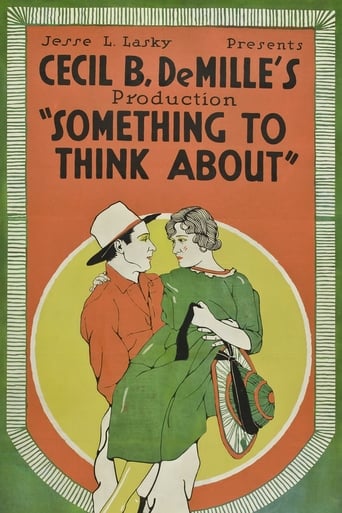
Michael D. Moore, born as Michael D. Moore, began his remarkable career in Hollywood as a child actor during the silent era, appearing in films directed by Cecil B. DeMille including 'Something to Think About' (1920). After his brief acting career in the early 1920s, he transitioned behind the camera where he would spend the next six decades as one of Hollywood's most respected assistant directors and second unit directors. Working on over 100 films, Moore collaborated with directors such as Alfred Hitchcock, John Ford, and David Lean, contributing to classics like 'The Ten Commandments' (1956), 'Spartacus' (1960), and 'The Sound of Music' (1965). His expertise in directing complex action sequences and large-scale productions made him invaluable to the studio system. Moore was particularly known for his ability to coordinate massive crowd scenes and battle sequences, skills he honed working on epic productions throughout his career. He received an Academy Award nomination for Best Assistant Director and was later recognized with an honorary Academy Award for his lifetime achievements in film direction. Moore's the entire evolution of Hollywood from the silent era through the studio system and into the modern blockbuster age.
The Craft
On Screen
As a child actor in the silent era, Moore appeared in dramatic roles typical of the period, using the exaggerated expressions and gestures common to silent film performance. His performances were characterized by the innocent, natural presence that made child actors popular in early cinema.
Milestones
- Child actor in Cecil B. DeMille films (1920s)
- Became assistant director at Paramount (1930s)
- Directed second unit for 'The Ten Commandments' (1956)
- Academy Award nomination for Best Assistant Director
- Honorary Academy Award for lifetime achievement (1999)
- Directed sequences for over 100 major Hollywood films
Best Known For
Iconic Roles
Must-See Films
Accolades
Won
- Honorary Academy Award for Lifetime Achievement (1999)
- Frank Capra Achievement Award (1998)
Nominated
- Academy Award for Best Assistant Director (1939)
Special Recognition
- Hollywood Walk of Fame star
- Directors Guild of America Lifetime Achievement Award
- American Cinema Editors Career Achievement Award
Working Relationships
Worked Often With
Studios
Why They Matter
Impact on Culture
Michael D. Moore's impact on cinema spans multiple eras and genres, from the silent films of the 1920s to the blockbusters of the late 20th century. As one of Hollywood's most accomplished assistant directors, he helped shape the way large-scale productions were organized and executed, developing techniques for coordinating complex action sequences that became industry standards. His work on epics like 'The Ten Commandments' and 'Spartacus' helped define the Hollywood spectacle, while his contributions to more intimate films demonstrated his versatility and understanding of cinematic storytelling. Moore's career trajectory from child actor to respected director exemplifies the opportunities for growth and reinvention within the Hollywood system.
Lasting Legacy
Michael D. Moore's legacy is that of a consummate professional who mastered the art and craft of film direction from every angle. His honorary Academy Award recognized not just his individual achievements but his role in advancing the techniques of film direction and second unit work. The methods he developed for directing complex sequences continue to influence filmmakers today, and his career serves as an inspiration for those seeking long-term success in the film industry. Moore represents the bridge between classical Hollywood and modern cinema, having worked with legendary directors from both eras and helping to pass on their knowledge to future generations.
Who They Inspired
Moore influenced generations of filmmakers through his innovative approaches to second unit direction and his ability to solve complex logistical challenges on film sets. His techniques for directing large crowd scenes and action sequences became standard practice in the industry. Many prominent directors, including Steven Spielberg and George Lucas, consulted Moore for his expertise in coordinating large-scale productions. His mentorship of younger directors and his willingness to share knowledge helped preserve and evolve the craft of film direction across decades of technological and stylistic changes in cinema.
Off Screen
Michael D. Moore was born into a family involved in the film industry, which facilitated his early entry into Hollywood as a child actor. He married twice during his lifetime, first to actress Marie Windsor in the 1940s, and later to Patricia Moore, with whom he spent the remainder of his life. Moore was known for his professionalism and dedication to the craft of filmmaking, earning the respect of generations of Hollywood professionals. He remained active in the film industry well into his 80s, sharing his expertise with younger filmmakers. Moore passed away at the age of 98, leaving behind a legacy that spans nearly the entire history of Hollywood cinema.
Education
Educated in Los Angeles schools while working as a child actor; later studied film production techniques through practical experience in the studio system
Family
- Marie Windsor (1944-1952)
- Patricia Moore (1953-2013)
Did You Know?
- Started his film career at age 6 as a child actor in silent films
- Worked with Cecil B. DeMille as both child actor and later as assistant director
- Served in the U.S. Army Air Corps during World War II, making training films
- Was one of the last surviving professionals who worked in silent films
- Directed the famous chariot race sequence for the 1959 remake of 'Ben-Hur'
- Was known for his ability to direct complex sequences with minimal takes, saving studios time and money
- Received his honorary Oscar at age 85
- Published an autobiography about his experiences in Hollywood
- Was a founding member of the Assistant Directors Guild
- Worked on films that won a combined total of over 50 Academy Awards
In Their Own Words
In this business, you learn something new every day, and if you don't, you're finished.
The secret to directing big scenes is preparation, preparation, and more preparation.
I've been fortunate to see this industry evolve from silent films to digital technology, but the basics of good storytelling never change.
Working with the great directors taught me that vision is everything, but execution is what makes it possible.
Frequently Asked Questions
Who was Michael D. Moore?
Canadian-American filmmaker who began his career as a child actor in silent films during the 1920s, later becoming one of Hollywood's most respected assistant on YTB.my.
What films is Michael D. Moore best known for?
Titles linked here include Something to Think About (1920), The Ten Commandments (1956).
When was Michael D. Moore born and when did he die?
Born October 14, 1914; died March 10, 2013.
What awards did Michael D. Moore win?
Moore received an honorary Academy Award for Lifetime Achievement in 1999, was nominated for an Academy Award for Best Assistant Director in 1939, and won the Frank Capra Achievement Award in 1998.
What was Michael D. Moore's directing style?
Moore specialized in directing complex action sequences and large-scale productions, known for his precision, efficiency, and ability to coordinate massive crowd scenes and battle sequences with minimal takes.
How did Michael D. Moore transition from acting to directing?
After working as a child actor in Cecil B. DeMille's films, Moore gradually moved behind the camera, learning the technical aspects of filmmaking and eventually becoming a full-time assistant director at Paramount Pictures in the 1930s.
What was Michael D. Moore's contribution to cinema?
Moore pioneered techniques for second unit direction and large-scale production coordination, helping create some of cinema's most memorable sequences while mentoring generations of filmmakers and preserving the craft of classical Hollywood direction.