
Fay Tincher
Actor
Born: April 23, 1884 in Topeka, Kansas, USA Died: October 11, 1963 Active: 1914-1920
Films
2 films
About Fay Tincher
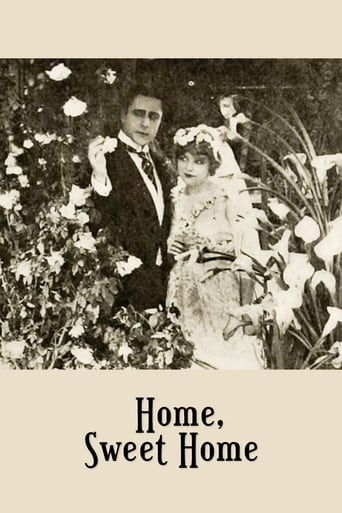
American actress who rose to prominence during the silent film era, working primarily with director D.W. Griffith. Born in Topeka, Kansas, she began her film career in 1914 with a significant role in Griffith's 'Home, Sweet Home,' which was one of the early feature-length films that helped establish cinematic storytelling conventions. Tincher became part of Griffith's stock company of actors, appearing in several of his most important productions including the controversial but historically significant 'The Birth of a Nation' in 1915. Throughout her career, she demonstrated versatility in both dramatic and comedic roles, often playing the virtuous heroine or the suffering female protagonist typical of melodramas of the period. Her film approximately from 1914 to 1920, during which she appeared in numerous short films and features for various studios including Reliance-Majestic Studios and Fine Arts Film Company. After the transition to sound films began, Tincher, like many silent era actors, found her career opportunities diminished and she gradually retired from acting. She spent her later years in Los Angeles, living until 1963 and witnessing the complete transformation of the film industry she had helped establish.
The Craft
On Screen
Fay Tincher embodied the theatrical, expressive acting style typical of the silent film era, using exaggerated gestures and facial expressions to convey emotion to audiences without dialogue. Her performances were characterized by a natural grace and the ability to convey complex emotions through subtle movements and眼神 expressions. She was particularly adept at melodramatic roles, bringing authenticity to suffering heroines and virtuous characters that were popular with audiences of the time. Her technique reflected the influence of stage acting, which was common among early film actors transitioning from theatrical backgrounds.
Milestones
- Breakthrough role in D.W. Griffith's 'Home, Sweet Home' (1914)
- Appeared in the controversial but landmark film 'The Birth of a Nation' (1915)
- Regular performer in Griffith's stock company of actors
- Starred opposite Douglas Fairbanks in 'The Good Bad Man' (1916)
- Transitioned from short films to feature-length productions during the early feature film era
Best Known For
Iconic Roles
Must-See Films
Working Relationships
Worked Often With
Studios
Why They Matter
Impact on Culture
Fay Tincher contributed to the development of early American cinema during a crucial transitional period when films evolved from short subjects to feature-length storytelling. As part of D.W. Griffith's company, she participated in films that helped establish cinematic language and narrative techniques that would influence generations of filmmakers. Her work in 'The Birth of a Nation,' despite the film's controversial content, represents her involvement in. Tincher's career exemplifies the journey of many early film actors who helped build the foundation of Hollywood but whose names became less familiar as the industry evolved and changed.
Lasting Legacy
Fay Tincher's legacy lies in her contribution to the silent film era and her work with directors who shaped the language of cinema. While she may not be as widely remembered as some of her contemporaries, her performances survive as examples of early film acting techniques and the types of stories that captivated audiences in the 1910s. Her filmography provides valuable documentation of the evolution of American cinema from its primitive beginnings to more sophisticated storytelling. As an actress who worked during the foundational years of Hollywood, she represents the generation of performers who established the star system and helped create the template for film acting that would be refined by subsequent generations.
Who They Inspired
As an early film actress, Fay Tincher's influence was primarily through her work with D.W. Griffith, whose techniques and storytelling methods influenced countless filmmakers. While she did not directly mentor other actors in a documented way, her performances contributed to the development of film acting styles during the silent era. Her work in Griffith's films helped establish archetypes and character types that would be refined by later actresses. The professional standards and work ethic she demonstrated as part of Griffith's company set examples for subsequent generations of film performers.
Off Screen
Fay Tincher led a relatively private life away from the spotlight, with limited information available about her personal relationships and family. She never married and had no children, dedicating her adult life primarily to her acting career during the silent film era. After retiring from films in the early 1920s, she lived quietly in Los Angeles, maintaining connections with some of her former colleagues from the early film industry. She witnessed the dramatic changes in Hollywood from the silent era through the golden age of sound films, though she chose not to participate in the new era of filmmaking. Her later years were spent away from public attention, and she passed away at the age of 79 in Los Angeles.
Education
Limited information available about her formal education, though she likely had theatrical training or experience before entering films
Did You Know?
- She was born in Topeka, Kansas, which was unusual for early film stars who often came from larger theatrical centers
- Her active years covered the crucial period when American cinema transitioned from short films to feature-length productions
- She worked with D.W. Griffith during his most innovative period, participating in films that revolutionized cinematic storytelling
- Like many silent film actors, she did not successfully transition to sound films, leading to her retirement from acting
- She appeared in 'The Birth of a Nation,'
- Her film career lasted approximately six years, which was typical for many actresses of the silent era who had relatively short careers
- She never married, which was somewhat unusual for women of her generation but not uncommon among early film actresses
- She lived to see the complete transformation of the film industry from silent pictures to the golden age of Hollywood sound films
- Her exact reasons for retiring from films are not well documented, though the transition to sound likely played a role
- She spent her final decades in relative obscurity, as was common for many silent era stars who did not maintain public visibility
Frequently Asked Questions
Who was Fay Tincher?
American actress who worked during the silent film era, primarily in the 1910s. She was best known for her work with director D.W. Griffith, appearing in several of his important films including 'Home, Sweet Home' (1914) and 'The Birth of a Nation' (1915).
What films is Fay Tincher best known for?
Titles linked here include Home, Sweet Home (1914), The Birth of a Nation (1915).
When was Fay Tincher born and when did she die?
Born April 23, 1884; died October 11, 1963.
What awards did Fay Tincher win?
There are no documented awards or nominations for Fay Tincher, which was common for actors during the early silent film era before the establishment of major film awards like the Academy Awards (which began in 1929, near the end of her career).
What was Fay Tincher's acting style?
Fay Tincher employed the theatrical, expressive acting style typical of silent film actors, using exaggerated gestures and facial expressions to convey emotion without dialogue. She was particularly skilled in melodramatic roles and was known for her natural grace in portraying virtuous heroines and suffering characters.