Films
3 films
About Helen Lynch
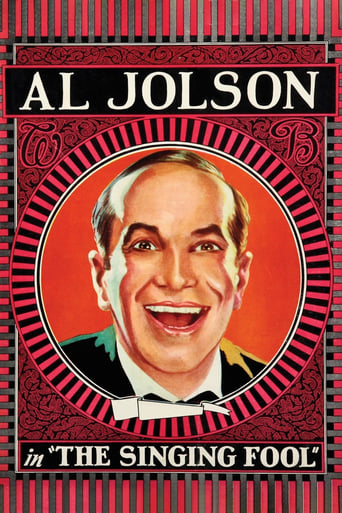
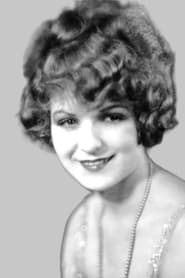
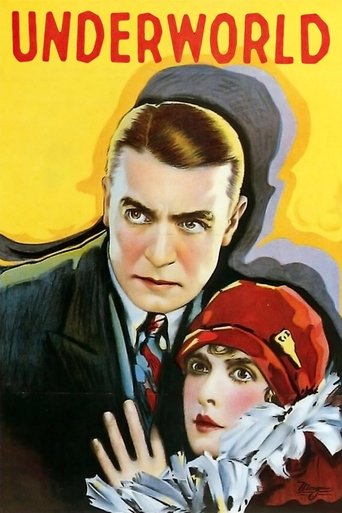
American actress who rose to prominence during the transition from silent films to early talkies in the late 1920s. Born in 1900, she began her film career at the height of the silent era, securing roles in several notable productions of the period. Her most significant work came in 1927 when she appeared in Josef von Sternberg's gangster film 'Underworld,' which is widely considered one of the first true gangster movies and won an Academy Award for Best Original Story. The following year, she appeared in 'The Singing Fool,' one of Al Jolson's most successful early talkies that helped establish the sound film format in Hollywood. Despite her appearances in these important films, Lynch's career was relatively brief, spanning only a few years during this pivotal moment in cinema history. Like many actors of her era, she struggled to maintain her career as the film industry rapidly evolved with the advent of sound, and she gradually faded from the spotlight by the early 1930s. Her work, however, remains part of the foundation of American cinema's golden age.
The Craft
On Screen
As a silent film actress, Lynch likely employed the expressive physical acting style typical of the era, using facial expressions and body language to convey emotion since dialogue was absent. Her appearances in both silent and early sound films suggest she was adaptable to the changing technical demands of filmmaking during this transitional period.
Milestones
- Appeared in 'Underworld' (1927), one of the first major gangster films
- Acted in 'The Singing Fool' (1928) alongside Al Jolson during the transition to sound
- Worked during the pivotal transition period from silent films to talkies
Best Known For
Iconic Roles
Must-See Films
Working Relationships
Worked Often With
Studios
Why They Matter
Impact on Culture
Helen Lynch's contributions to cinema, while not widely recognized individually, are part of the broader cultural impact of the films she appeared in. 'Underworld' helped establish the gangster film genre that would become a staple of American cinema, while 'The Singing Fool' was instrumental in popularizing sound films and musicals. Her work represents the contributions of countless supporting actors who helped build the foundation of Hollywood's golden age, even if their names are not remembered by mainstream audiences today.
Lasting Legacy
Helen Lynch's legacy is primarily preserved through her appearances in two historically significant films from the late 1920s. While she did not achieve lasting fame, her work in 'Underworld' and 'The Singing Fool' makes her part of cinema history during one of its most transformative periods. Her career exemplifies the experience of many actors who worked during the silent-to-sound transition, a time when technological changes dramatically altered the film industry and the careers of those within it.
Who They Inspired
As a supporting actress rather than a major star, Helen Lynch's direct influence on other actors or filmmakers is not well documented. However, her participation in films like 'Underworld' contributed to the development of film genres and techniques that would influence generations of filmmakers and performers who followed.
Off Screen
Very little detailed information is available about Helen Lynch's personal life, which was not uncommon for supporting actors of her era who did not achieve major stardom. Like many actors from the silent period, her personal details were not extensively documented in the press or film industry publications.
Did You Know?
- Appeared in 'Underworld' (1927), which won the first Academy Award for Best Original Story
- Worked during the critical transition period from silent films to talkies
- 'The Singing Fool' (1928) was
- Her active years covered only two known film appearances during 1927-1928
- Both of her known films featured major male stars of the era
- She represents the many supporting actors who contributed to early Hollywood but are now largely forgotten
- Her work coincided with the establishment of the Academy Awards in 1929
Frequently Asked Questions
Who was Helen Lynch?
Screen credits include two historically significant films: 'Underworld' (1927) and 'The Singing Fool' (1928). She worked during the crucial transition period from silent films to early talkies but had a relatively brief career in Hollywood.
What films is Helen Lynch best known for?
Titles linked here include Underworld (1927), The Singing Fool (1928).
When was Helen Lynch born and when did she die?
Born 1900; died death date not listed.
What awards did Helen Lynch win?
Helen Lynch did not receive any personal awards or nominations that are documented in available sources. However, 'Underworld' (1927), one of the films she appeared in, won the first Academy Award for Best Original Story in 1929.
What was Helen Lynch's acting style?
As an actress during the silent film era, Helen Lynch likely employed the expressive physical acting style typical of the period, using exaggerated facial expressions and body language to convey emotions since dialogue was not available. Her ability to appear in both silent and early sound films suggests she was adaptable to the changing demands of filmmaking technology.