Films
2 films

About Davey Lee
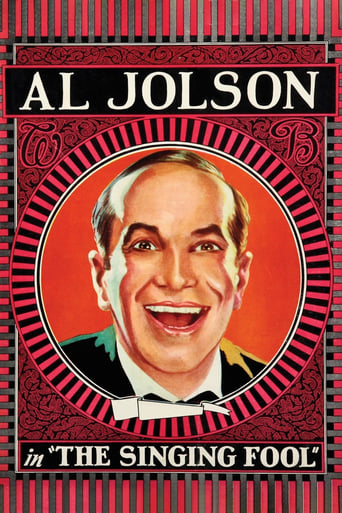
Child actor of the late silent era and very early sound era, best remembered for his brief but memorable screen appearances in Warner Bros. Musicals and family-oriented melodramas at the end of the 1920s. He emerged as one of the many talented child performers discovered and used by the studio system during the transition from silent films to talkies, a period when children with a natural, unaffected screen presence could stand out quickly. Lee is especially associated with The Singing Fool (1928), the Al Jolson vehicle that became one of the biggest successes of the early sound era, and with Say It with Songs (1929), another musical feature that capitalized on the new popularity of synchronized sound and song. His film career appears to have been very short, with documented activity concentrated in 1928 and 1929, suggesting that he was one of the many youthful performers whose screen careers were brief and then largely ended as they grew older or as studio opportunities shifted. Because he worked so early and so briefly, detailed biographical records are limited, and much of his reputation rests on the films themselves rather than on a long star career. Even so, his performances helped give emotional texture to some of the era’s key transitional pictures, especially those built around music, sentiment, and domestic appeal. Today he is remembered primarily by classic film historians and collectors as a notable child actor from one of Hollywood’s most historically important turning points.
The Craft
On Screen
As a child actor of the late 1920s, Davey Lee's style was likely defined by naturalism, emotional directness, and the simple, readable expressions that silent and early sound films favored in young performers. In the transitional period from silent to sound, child actors were often valued less for verbal dexterity than for a spontaneous, endearing screen presence that could carry affection and pathos. Lee’s surviving reputation suggests a charming, sincere performance style well suited to sentimental musical storytelling rather than broad comedy or heavy dramatic characterization. Because his recorded career is short and documentation is limited, specific technical traits are difficult to verify, but he clearly fit the era’s taste for innocence and emotional immediacy.
Milestones
- Appeared in The Singing Fool (1928), one of the landmark early sound-era box-office successes
- Acted in Say It with Songs (1929), another musical feature from the transitional early talkie period
- Established a screen presence as a child performer during the shift from silent cinema to sound films
- Worked in major studio productions at a moment when child actors were increasingly used in prestige musicals and sentimental dramas
- Built a small but historically notable filmography that places him within one of cinema's most important technological transitions
Best Known For
Iconic Roles
Must-See Films
Working Relationships
Worked Often With
Studios
Why They Matter
Impact on Culture
Davey Lee's cultural impact is tied less to celebrity in the modern sense than to his role in a historically significant phase of film history. He appeared in early sound musicals at the exact moment Hollywood was discovering how to integrate dialogue, song, and youthful performers into mainstream entertainment. Films like The Singing Fool were widely seen and influential, meaning that even a small supporting child role could become part of the broader memory of early talkie cinema. For classic film scholars, performers like Lee are valuable because they help illustrate how studios used child actors to heighten sentiment and family appeal in the new sound medium.
Lasting Legacy
Davey Lee's legacy lies in his association with one of the pivotal transitional periods in cinema, when the industry was moving from silent pictures to synchronized sound. Although he did not build a long or widely documented career, his work remains part of the historical fabric of early Warner Bros. Musical filmmaking. He is remembered by film historians as a child performer whose brief screen life intersected with major cultural milestones, making him a small but recognizable name in the story of early Hollywood. His filmography also serves as a reminder that many young actors contributed to iconic movies without becoming long-term stars.
Who They Inspired
Lee's influence was indirect rather than overt: he helped exemplify the kind of child presence that early sound musicals and melodramas valued, helping shape the emotional tone of those productions. Child actors in transitional films often influenced casting practices by proving that genuine youthfulness and innocence could strengthen audience identification. While there is no evidence that he personally mentored later performers, his performances belong to a tradition of juvenile screen acting that informed how studios cast children in sentimental films for decades afterward.
Off Screen
Publicly available information about Davey Lee's personal life is extremely limited, which is common for child performers from the silent and early sound eras whose adult lives were not widely documented in film reference sources. No reliable information was found here on marriages, children, later occupations, or post-film life. His career appears to have been confined to a very narrow window in childhood, and later biographical details are not readily preserved in the standard classic cinema record. As a result, most surviving information about him is professional rather than personal.
Did You Know?
- Davey Lee is best remembered for appearing in two major early sound-era musical films rather than for a long film career.
- His screen work is concentrated in just 1928 and 1929, making him one of the briefest documented child actors of the period.
- He appeared in The Singing Fool, a massive hit associated with Al Jolson and.
- Because he worked during the silent-to-sound transition, his performances are part of a crucial turning point in Hollywood history.
- Detailed personal records about him are scarce, which is common for child actors whose careers ended before the studio publicity machine fully documented them.
- His surviving recognition comes mainly from classic film reference material and historians rather than from later star promotion.
- He is sometimes discussed in the context of Warner Bros.' early musical strategy, which frequently used child performers to boost sentiment and family appeal.
- His career demonstrates how many minor but memorable performers could become embedded in film history through a single major production.
Frequently Asked Questions
Who was Davey Lee?
American child with credits in this catalog. He is best remembered for appearing in The Singing Fool (1928) and Say It with Songs (1929), two musical films from a pivotal moment in Hollywood history.
What films is Davey Lee best known for?
Titles linked here include The Singing Fool (1928), Say It with Songs (1929).
When was Davey Lee born and when did he die?
Reliable public records are not readily available in standard classic film sources, so his exact birth and death details are not confirmed here. He appears in filmography records primarily as a child actor active in 1928-1929.
What awards did Davey Lee win?
No major awards or nominations are documented for Davey Lee in the standard historical record. His significance is historical rather than award-based, resting on his participation in landmark early sound films.
What was Davey Lee's acting style?
As a child actor in late 1920s films, his style was likely natural, direct, and emotionally expressive. That approach fit the sentimental and musical storytelling of early talkies, where youthful sincerity was often more important than elaborate technique.
What is Davey Lee's legacy in film history?
Davey Lee's legacy is as a small but notable figure in the transition from silent cinema to sound. His appearances in important early talkies make him part of the broader story of how Hollywood adapted to the new medium.